






# 174 Do Not Conflate TMD Symptoms and Cause
The diagnosis and treatment of Temporomandibular Joint Disorder, (TMD) has been justifiably coined the “Wild West of Dentistry” for more than 50 years. Since it was first described by an ENT surgeon in 1934, patients who suffer the disparate and confusing symptoms of TMD have been placed on a merry-go-round of theories, treatments, from various kinds of health care providers, that commonly last for decades without any discernable long term predictable relief. That is not my opinion, that’s the opinion of Chat GPT (AI) when asked about the history of TMD.
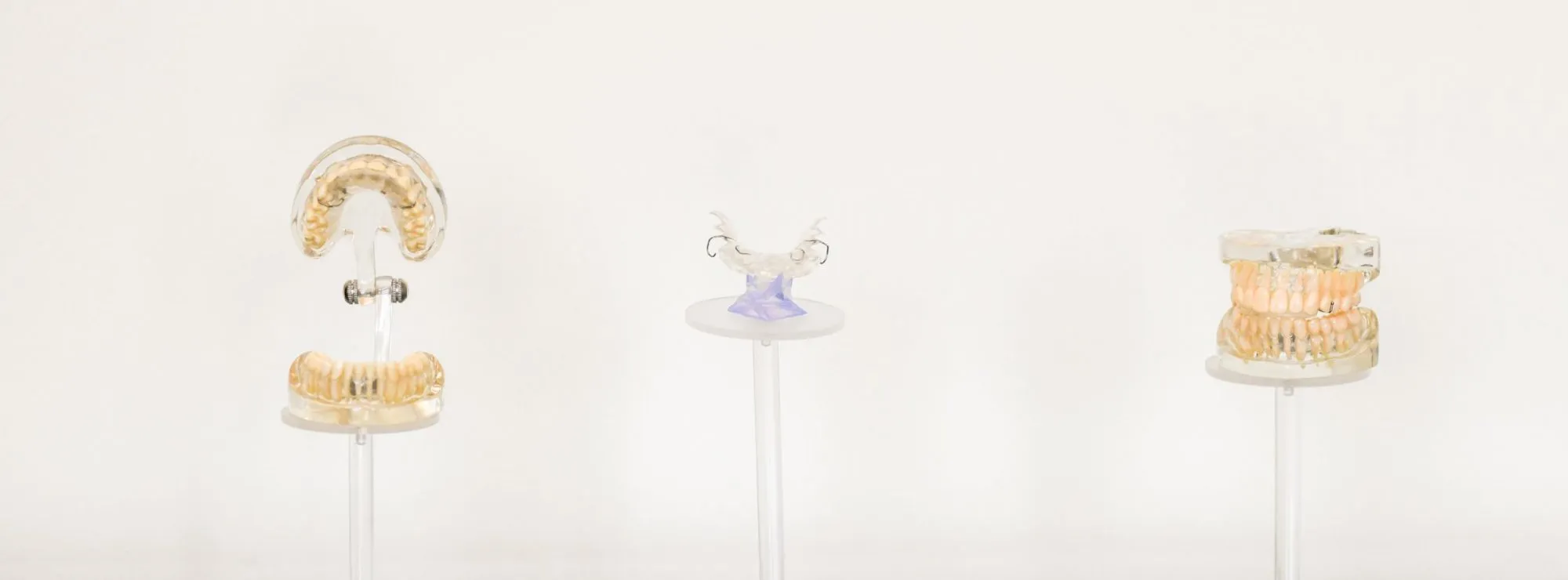
My personal experience treating TMD began as an Oral and Maxillofacial Surgery resident at Vanderbilt in 1973. For the next 35 years I tried to solve the problem surgically. Failing to be satisfied with surgery as the solution, yet seeing no one else making any progress, I saw the need for some real unbiased research. With broad educational and research experience, I went back to the basics of the scientific method, starting with the patients who had the disease. Interviewing 24 patients and asking various questions, I discovered half of them said gently biting an object between the front teeth reduced the symptoms. Having never heard that before, I experimented with a series of patients. I found that a device with a particular design compatible with breathing, speech, and swallowing and used according to a specific protocol did indeed decrease symptoms. That was the inception of the Urbanek Device and Protocol now used by a growing number of doctors throughout the United States for the past 16 years. It turned out to be very successful in relieving symptoms, but I then had to figure out why. That led to some basic investigative work in anatomy and cell biology. It turned out that all the disparate symptoms of TMD are created by chronic inflammation within a damaged joint.
Inflammation is the body’s response to damage, any kind of damage, anywhere in the body. The Temporomandibular Joint (TMJ) is no different and can be damaged due to clenching and grinding of the teeth, (Bruxism), acute trauma to the head, face, and jaws, and functional malocclusion.
It became obvious that the device worked because it removed the load from the joint like a set of crutches that takes the load off of a damaged knee decreasing inflammation within the joint. That’s it. Very simple. Treat the cause, chronic inflammation, and the symptoms go away.
You’d think that would be the end of the story and everyone would go away cured and happy. Not so. The problem is that most health care providers conflate symptoms with the cause. They want to treat the symptoms rather than the cause of the symptoms.
As Voltaire said, most confusions start with a misunderstanding in terms. “If you are to argue with me, first define your terms.” So, let’s define conflate.
Conflate means to mistakenly combine or blend two or more separate ideas, concepts, or situations into one, treating them as if they are the same thing, which often leads to confusion, misunderstanding, or a lack of clarity. It’s like fusing distinct topics into a single, often muddled, concept, obscuring important differences and relationships between them.
Both patients and doctors unintentionally conflate symptoms with cause. I see it frequently when I ask patients to list their symptoms and they respond by saying they “grind and clench their teeth”. As stated, bruxism causes damage to the joint which causes chronic inflammation. Bruxism creates the cause of TMD, chronic inflammation, and is not a symptom. Doctors, on the other hand, conflate symptom and cause by limiting their treatment to symptoms using drugs to suppress the nervous system and paralyze muscles, surgery to remove or replace damaged portions of the joint, and physical therapies of various kinds to achieve muscle relaxation.
If you just treat the cause, you don’t have to treat the symptoms.
Comments are closed.