








# 161 What if Your Migraines Were Actually TMD?
The truth is no one knows what causes migraine headaches. All the scientific papers I have read regarding migraine headaches have admitted that. There are plenty of theories regarding what causes migraines, but there is no proof, only speculation and theories. It is often quoted that migraine headaches are distinguished from other types of head pain by the concomitant visual disturbances that occur simultaneously with the pain. They are frequently described as very severe headaches that last hours or days and debilitate to the point that self-isolation in a darkened room are the only remedies available until the symptoms pass.
Headaches are the most common type of neurological disease. According to a recent AI inquiry:
- On any given day: 15.8% of the world’s population experiences a headache.
- In a given year: Approximately 65% of people aged 18–65 experience a headache disorder.
- Overall active disorder: Around 52.0% of the global population may be affected by at least one active headache disorder.
There is no doubt that some people are burdened with bad-bad-bad headaches. The question is, are they “migraine headaches”. Currently, because of the ever-present media marketing, migraine headaches have become a catch all phrase perpetrated on the public by pharmaceutical companies and the medical establishment. If scientific literature cannot agree on the cause of migraine headaches, how can a rational treatment be recommended? If you can’t define a disease, how can it be treated properly.
What has occurred over the past several decades is medical providers (doctors) and the pharmaceutical industry have simply experimented with different categories of drugs. Throwing a drug at the wall to see if it sticks is not considered science, it’s considered gambling. Doctors and the pharmaceutical industry should not be gambling with a person’s health and certainly not with something so severe that it has ruinous effects on a patient’s life.
The Concise Oxford English Dictionary defines migraines as: a recurrent throbbing headache that typically affects one side and is often accompanied by nausea and disturbed vision. This is a “descriptive definition” of the symptoms. No mention of cause. Just about all other diseases are defined as a cause associated with their symptoms. Eg: (Pancreatitis: Inflammation of the pancreas and associated symptoms) (Myocardial Infarction: Obstruction of the coronary arteries and associated symptoms) Nothing proves the point better than the definition of migraine headache itself. Just symptoms. No Cause.
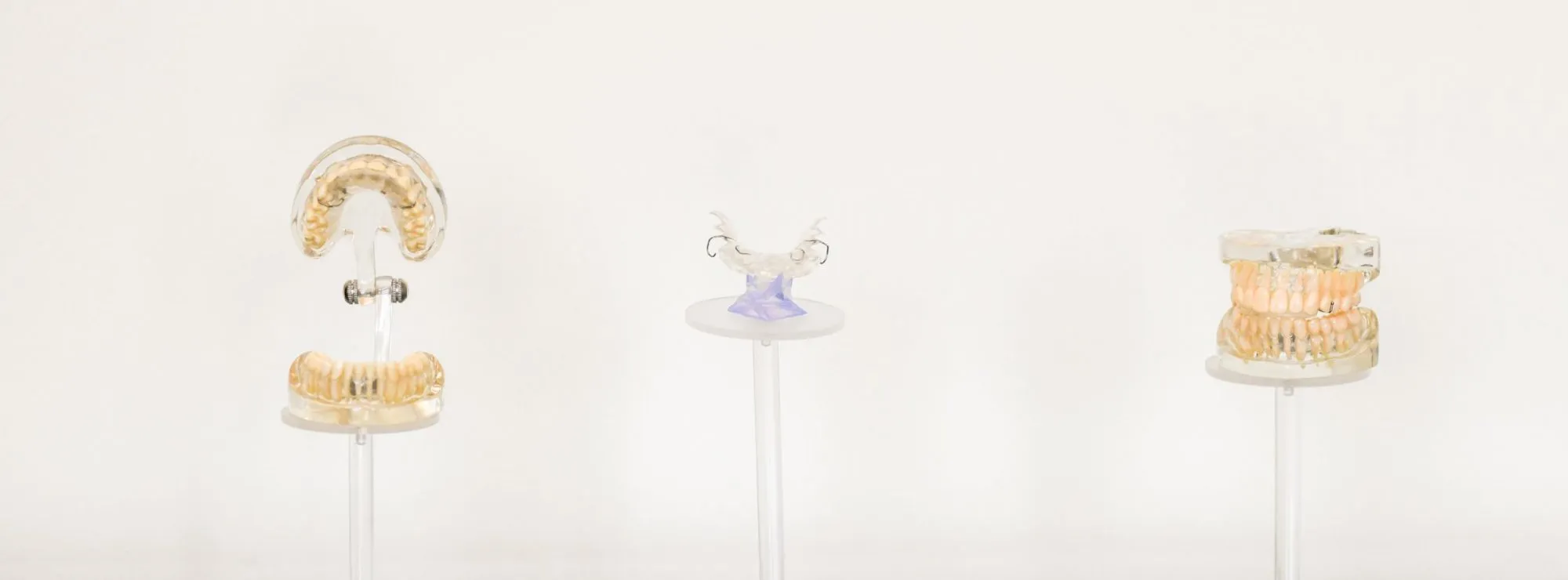
We do know TMD (Temporomandibular Joint Disorder) causes bad-bad-bad headaches that can throb and be limited to one side of the head. These headaches can also be limited to one side at a time with both sides alternating over time. They can also be associated with nausea and disturbed vision.
We do know the cause of TMD. TMD is caused by inflammation within the temporomandibular joint. This stimulates the muscles that move the jaws to contract and tighten-up in an attempt to hold the damaged joint motionless. It is accomplished through the sympathetic portion of the autonomic nervous system. The tight muscles pull on their attachments to the bone which stimulates the pain receptors covering the bone. This returns to the brain as the sensation of pain. The cranial nerves which supply motion to the eyes and the vagus nerve which supplies contraction to the stomach muscles can also inadvertently be stimulated creating nausea and vision disturbances.
Does TMD explain every possible headache. No, it doesn’t. Does TMD cause bad-bad headaches. Yes, it does. It is also responsible for neck pain, earache, upper back and shoulder pain, tinnitus, subjective hearing loss, vertigo, and arm/hand/finger tingling and numbness, and various kinds of jaw locking and noises.
What if your migraines were actually TMD? What would you do then? Would you want to get off all the migraine medication and its side effects. Would you look for a provider who knows how to treat TMD successfully? Would you breathe a sigh of relief when you were treated successfully? Would you want the same success for others who thought their migraines had no solution? Would your life change for the better?
Comments are closed.