


#162 Malocclusion and TMD
There is an interesting relationship between malocclusion and TMD (Temporomandibular Joint Disorder). Malocclusion can cause TMD, inversely, TMD can cause malocclusion. This is not a play on words. It’s a fact.
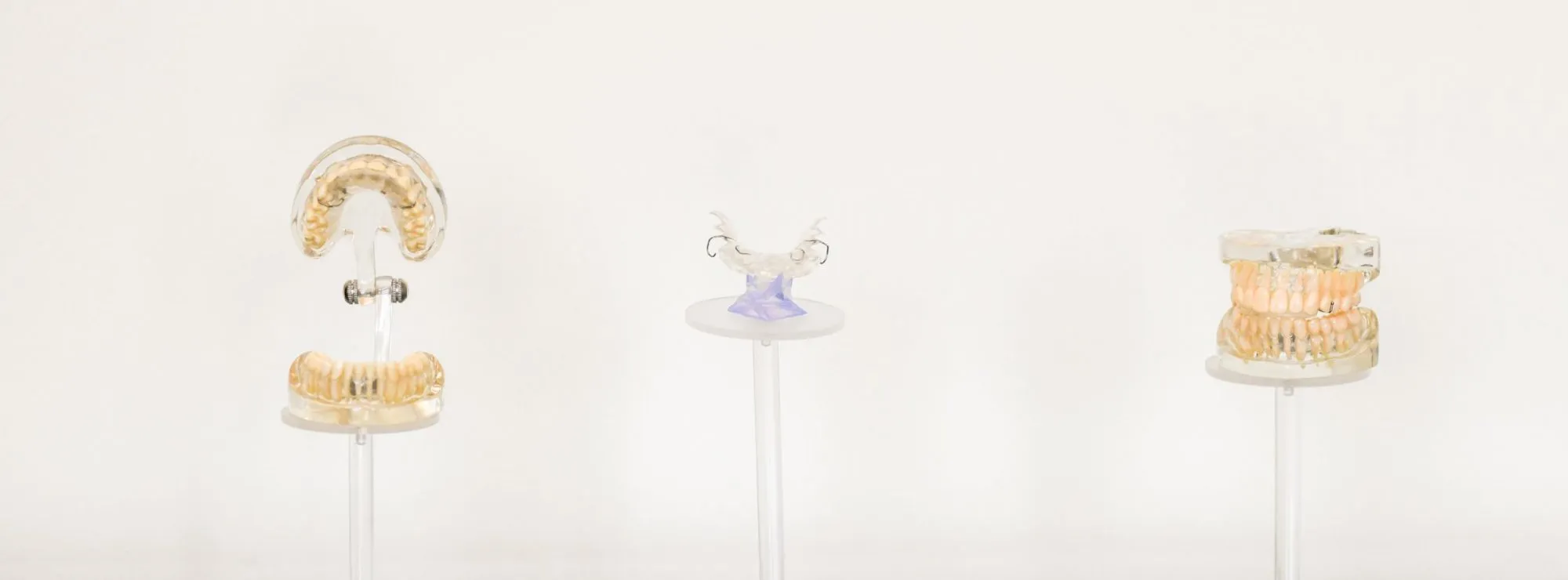
The position and health of the teeth and the position and health of the TMJ (Temporomandibular Joint) are inextricably connected because they are projections of one bone, the lower jaw (mandible). The mandible is a single bone with the ball (condyle) of the jaw joint at one end, and the teeth scattered as projections along its length. The condyle, mandible, and teeth operate as a single unit and move simultaneously in relation to the upper jaw (Maxilla) as directed by the attached muscles. The upper jaw (maxilla) is fixed to the skull and facial bones. The mandible is not fixed and is responsible for the movements which are necessary to create speech, chewing, swallowing, and to assist in breathing. Because life cannot exist without these four functions, the lower jaw is constantly in motion and function. Try sitting in a chair without moving your arms and legs for 10 minutes. It’s easy to sit with our extremities motionless for a few minutes. Then, pay attention to how difficult it is to hold your lower jaw motionless for the same amount of time. Even if you are breathing through your nose, you still must swallow occasionally moving your tongue and bringing your teeth together as the pharyngeal muscles contract in unison along with facial muscles and mastication. Then consider the motion of the lower jaw in a person who constantly clenches or grinds their teeth (Bruxisim), whether during the day or night. What about speaking? Try talking to someone without moving your lower jaw. How about singing? Impossible, right? The point is, every time you breathe, speak, swallow, or chew, your teeth and your jaw joint are in motion together/simultaneously. Since both are attached to the same bone, (mandible) it should be obvious that what changes one part can influence the other. This simple and easily demonstrated fact is often ignored by dentists and orthodontists who focus their priorities on teeth and ignore the part attached to the other end of the mandible, the condyle and related structures within the temporomandibular joint.
I have discussed in previous articles how growth anomalies of the jaw can influence the health and position of the teeth. Unusual growth patterns of the lower jaw can cause a functional malocclusion. Functional malocclusions are defined as an occlusion that creates a functional problem with speech, chewing, swallowing or breathing. Sometimes the bone growth dictates the position of the teeth and sometimes the position of the teeth inhibit or direct unhealthy growth of the bone. Either way, a functional malocclusion can create unusual and deleterious and damaging forces on the TMJ. As stated at the beginning, malocclusion can cause TMD.
There are only three circumstances that damage the TMJ and thus create TMD. 1.Bruxism, which is the most common cause. 2. Acute Trauma. 3. Functional Malocclusion (Upper and/or Lower Jaw Growth Discrepancies.
When the TMJ becomes damaged via any of these three routes, the cartilage and bone can deteriorate to the point where it loses internal dimension and support and shortens the entire length of the mandible. The anatomical changes that occur within the joint are simultaneous with symptoms. When this occurs, the entire mandible is displaced and TMD causes malocclusion.
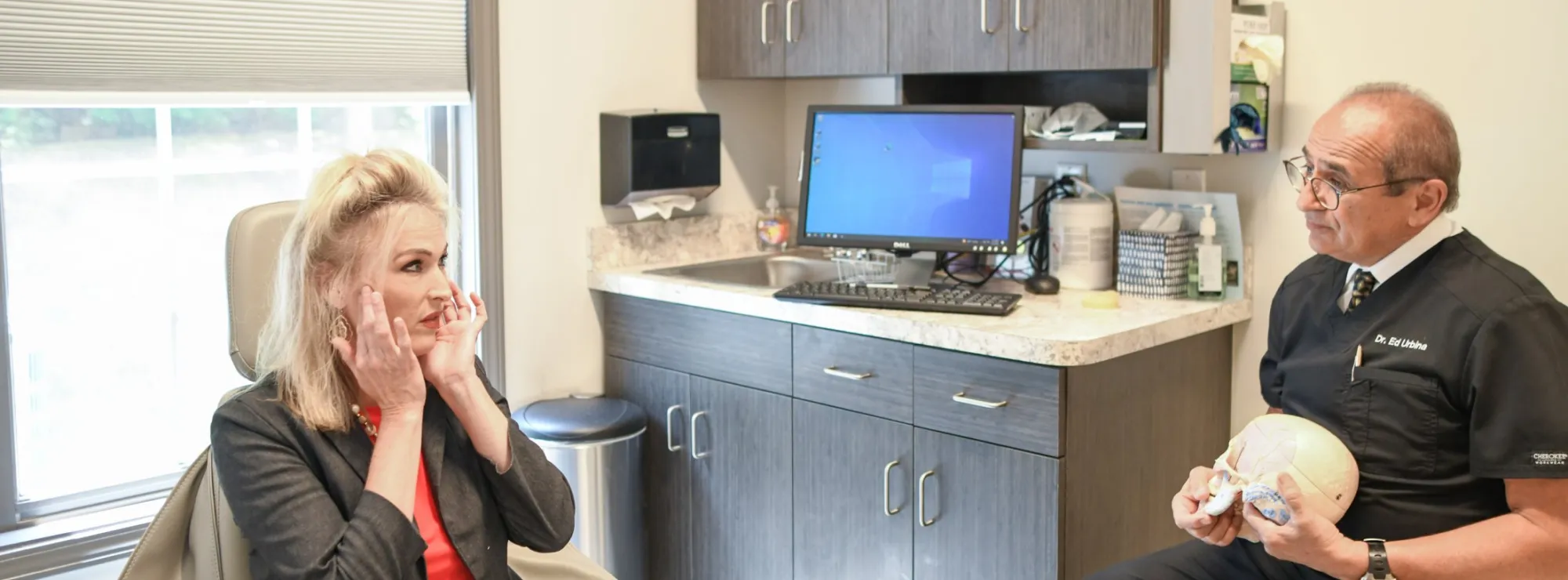
Often, patients with symptoms of TMD additionally complain that their teeth don’t feel like they fit together correctly. The disc/meniscus within the joint is displaced taking up more room within the joint than usual, causing the mandible to become slightly pushed out of alignment with the upper jaw. Also, when the mandible moves posteriorly due to condyle degeneration, significant functional malocclusion and an anterior open bite can result.
Understanding how the teeth and TMJ are related explains many confusions regarding TMD. Malocclusion and TMD are connected, not at the proverbial hip, but at the mandible.
Comments are closed.