


#160 Why I Research, Treat, and Teach About TMD
My interest in TMD was not initially of my own choosing. After completing dental school and a master’s degree in anatomy/cell biology, at the University of Indiana, was honored to be accepted into a unique program offered at Vanderbilt University Hospital and Medical School combining the medical degree along with an internship/residency in Oral and Maxillofacial Surgery. In addition, I elected to complete the trifecta with a doctorate in cell biology/anatomy and fellowship with the National Institutes of Health/National Institutes of Dental/Craniofacial Research on the topic of facial growth and development. I was on my way to eventually becoming a professor at the university of my choice.
The first step was mentored by Dr. David Hall, the first professor and program director of Oral and Maxillofacial Surgery at Vanderbilt. It was 1973 and Dr. Hall was well known for his research into the surgical correction of Temporomandibular Joint Disease. I was his 8th resident in a program heavily weighted toward finding a surgical solution for Temporomandibular Joint Disorder (TMD). Thus began my study and experience with a disease which would take up a great amount of my time for the next five decades.
Upon completion of my program, I elected to avoid the uncertainties of the academic world, always dependent on some other person above you in rank holding your future in their political hands. The experience of private practice, where my future was at least dependent on my decisions, seemed preferable.
From the beginning of my practice in 1981, I practiced the full scope of Oral and Maxillofacial Reconstructive Surgery which included over 2,000 TMJ surgical procedures between 81’ and 2014. During that 33-year period I would tackle a TMD case by doing the exam and history along with appropriate x-rays and then decide what type of surgical procedure was appropriate for the findings available and consistent with the recommendations of the surgical literature and frequently attended TMD conferences and courses. I spent a lot more time during those 2000 consultations telling the patients which type of surgery applied best to the physical and x-ray findings and little time listening to their history of symptoms.
But after 33 years and 2000 cases I could do no better than helping two/thirds of those that committed to surgery. One/third of my patients would be back to see me in a year or two with similar or identical symptoms. All my surgical colleagues at the time were experiencing similar results. I could not continue looking at a patient in the eye and announce I would do surgery to fix their problem knowing a third of the time they would be back in my office in 6 months to a year. That is why in 2014 I decided to forgo all surgery to the temporomandibular joint and return to my academic roots. I wanted to see if I could figure out what the entire dental profession, including the oral and maxillofacial surgery specialists had missed in finding a solution for this devastating disease.
I had experienced 33 years and completed thousands of TMJ consultations listening to the pleas for help form patients, 90% of them from women, who were desperate for relief of their symptoms. Most of them had suffered for decades and many had suffered for years with an incorrect diagnosis. I really empathized with them for their long standing emotional and physical pain.
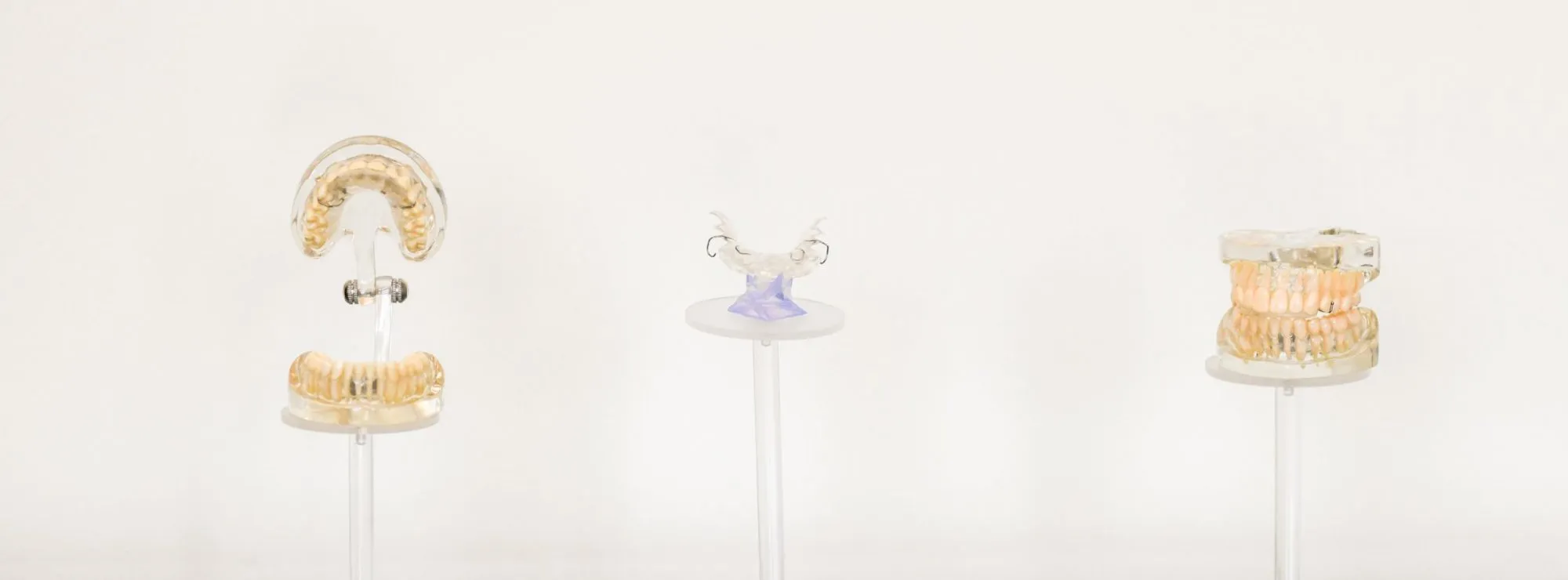
I thought having a broad background of academic studies in cell biology and anatomy, along with dental and medical degrees might give me the clarity and perception of finding out why the previous investigations came up empty handed. It turned out I was correct that having a very broad knowledge base allowed me to connect the data like a set of pearls on a string that explained the disease and led to the simple solution now available as the Urbanek Device and Protocol. But the credit needs to go to my patients who pointed out where to look by saying that placing their finger, their tongue, or a pencil eraser between their front teeth generated relief. It turned out my greatest advantage was carefully listening to my patients.
Comments are closed.