




#159 TMD and Emergency Rooms
Last week I did consultations with two patients who reported visits to the Emergency Department of their local hospital because they didn’t know where else they might seek relief of their symptoms. Each of these patients had a different set of symptoms, but both suffered from the disparate symptoms of TMD.
According to the International Association for the Study of Pain (IASP), pain is defined as: “An unpleasant sensory and emotional experience associated with actual or potential tissue damage or described in terms of such damage”. When a patient has tried all other avenues for the relief of pain, or the pain is so severe other more temperate types of pain relief are ineffective, the method of last resort is a trip to the ER, Emergency Room.
If your symptoms of pain are derived from Temporomandibular Joint Disorder (TMD) the results from your trip to the ER can be very discouraging. It has been my experience, talking to hundreds of patients who sought relief from TMD in Emergency Rooms, their experience was universally disappointing, and occasionally tragic.
The first thing patients need to know about the doctors who staff hospital emergency departments is they know absolutely nothing about diagnosing and treating TMD. I am not trying to be cynical, critical, or disrespectful. I am also a physician and have the upmost respect for the knowledge and training of my medical colleagues in the ER. As an Oral and Maxillofacial surgeon, I have spent the better part of 50 years in the emergency rooms of many Middle Tennessee hospitals called to treat facial trauma. I have a good understanding of what ER doctors are good at and what they are not. I am certain they never received any training about TMD in medical school. I’m just as certain they did not cover it during their residency in Emergency Room Medicine.
The reality is that if you present to the ER with any of the symptoms of TMD and severe pain, (headache, earache, neck pain, shoulder pain), it is likely to be misdiagnosed or at best treated with an abundance of pain medication. If misdiagnosed, you will be shuttled to a neurosurgeon, ENT surgeon, orthopedic surgeon, or just back to your primary care physician with the diagnosis of undiagnosed pain.
It has been my experience that emergency room visits are just one part of the circular nature of patients seeking help for the intermittent painful symptoms at various health care providers, each focusing on the technology available to them, and none identifying TMD as the diagnosis. These never-ending circular appointments among multiple health care providers not only prolong the correct diagnosis, but mentally and emotionally frustrate the patient to the point of desperation.
If the lack of correct diagnosis was not enough of an insult to the patient’s temperament, the bill from the hospital will surely seal the frustration. The average cost of a trip to the ER will cost between $750 and $2,600 depending on your level of insurance. Treatment in the ER is notoriously the most expensive place to seek medical care.
Diagnosing TMD is not a complicated maneuver. Any health care provider or even the patients themselves can diagnose the disease if you know and can apply the basic facts.
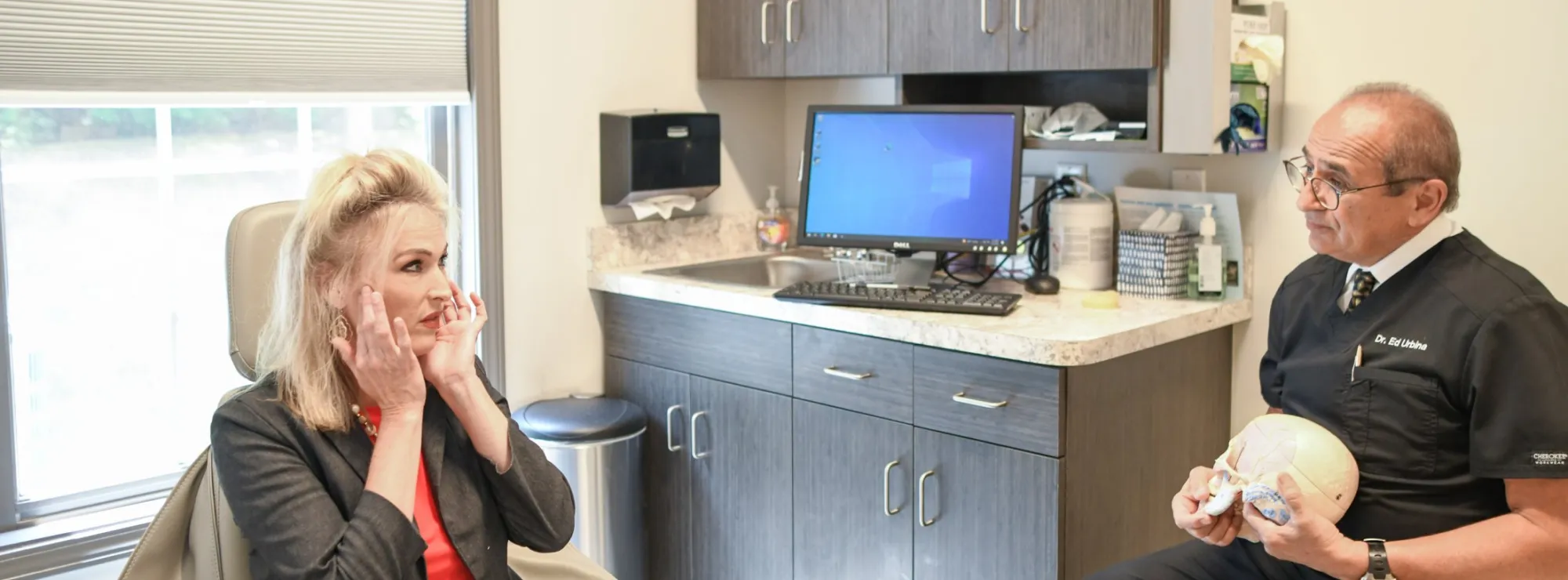
TMD and all the disparate symptoms of TMD are created by inflammation within the temporomandibular joint. If you have any of the symptoms of TMD it, it is certain that the TMJ’s are inflamed. To determine if the TMJ’s are inflamed, open your mouth widely, place your index fingers firmly in the depression in front of the ear that is created when the mouth is opened widely. Finally, close your mouth rapidly and bite your teeth together, just once but very rapidly. If this elicits pain on either side, you have made the diagnosis. You have TMD. Call us. 615 771-1983, www.tmjservicesofbrentwood.com
You just saved yourself the frustration and expense of a trip to the ER.
Comments are closed.