





#137 You must Understand a Disease Before You Can Treat It Successfully
Medical technology has come a long way since the Middle Ages when bloodletting was one of the most common treatments available for various diseases. This archaic medial treatment was common in the United States, until the later part of the 19th century and a physician and founding father of U.S. medicine, Benjamin Rush, wrote of bloodletting’s benefits for the treatment of the mentally ill. He recommended it specifically for patients suffering from mania.
Today, based on our imperfect understanding of mental illness, bloodletting is not considered an appropriate treatment. Draining a patient’s blood to affect mental health makes no sense. You don’t have to be a doctor to use common sense in the evaluation of a solution to a problem.
So, let’s apply some common sense to this disease known as Temporomandibular Joint Disorder, TMD. TMD was first identified as a syndrome of symptoms including headache, earache, and jaw pain by Dr. James Costen, an ENT Surgeon from St. Louis in 1934. For the next three decades, this disease was known as Costen’s Syndrome. He published his paper in 1934 stating the cause of Costen’s Syndrome was lack of posterior teeth supporting the jaw joints and suggested the solution was replacement of the missing teeth with partial dentures.
If Dr. Costen was correct in his theory that TMD was caused by missing posterior teeth it made sense to treat the disease with partial dentures. However, Dr. Costen was incorrect in identifying missing teeth as the cause. Supplying partial dentures did not successfully treat the disease. If Dr. Costen had known in 1934 the real cause of TMD he may have made better recommendations for treatment.
After it was proven that lack of dental support did not cause TMD, the next theory was introduced by Dr. Daniel Laskin in 1969 with the overuse of the jaw muscles secondary to excessive clenching and grinding of the teeth. He called it the Myofascial Pain Disfunction Syndrome Theory. He suggested muscles become sore and painful causing headaches/facial pain, earaches, and neck pain. But his theory did not explain the other disparate symptoms of TMD often seen to accompany the headaches and earaches including ringing in the ears, subjective hearing loss/a feeling of fullness in the ears, dizziness/vertigo, upper back and shoulder pain and tightness, arm/hand/finger tingling and numbness, and various types of jaw locking. There was nothing that connected sore jaw muscles to any of these other symptoms. His theory made no sense. Applying a little bit of common sense excluded Dr. Laskin’s explanation from discovering an effective solution.
But thanks to research done by Dr. Tony Urbanek the real cause of TMD has been identified. Taking detailed histories from patients with TMD led him to the discovery that no matter how a temporomandibular joint, (TMJ) was damaged, the common denominator of the disease is chronic inflammation within the joint. He showed how chronic inflammation drives each of the disparate symptoms. When the chronic inflammation is reversed, all the symptoms are eliminated.
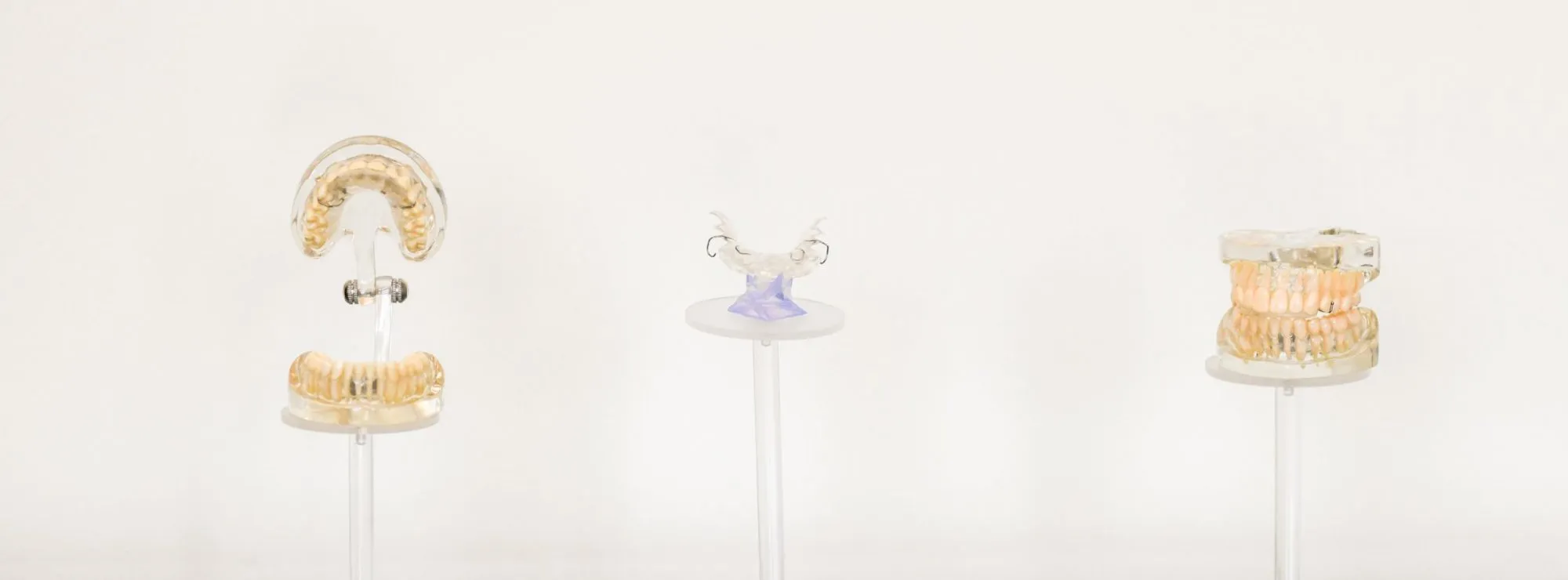
Once the actual mechanism creating the symptoms was identified, it was a simple matter to find the best way to decrease inflammation in the TMJ. He developed a small intra-oral device along with a standardized protocol to remove the load from the TMJ, reversing the chronic inflammation within the joint like a set of crutches takes the load off a damaged knee.
This patented device and protocol is now recognized by a growing number of dentists and oral and maxillofacial surgeons as the predictable solution for TMD. His discovery has changed the paradigm for treating TMD in a most simple way. Treating the cause rather than chasing symptoms with drugs, surgery, and various types of physical therapy is now as archaic as bloodletting.
Comments are closed.