




#138 Medical Providers “State of the Art” TMD Diagnostic Skills
By: Anthony Urbanek, DDS, MS, MD
Medical Providers “State of the Art” TMD Diagnostic Skills
My associate in our practice came into my office last week and asked if I had a few minutes to allow him to “vent” and de-stimulate about a patient he had just seen. I said, “Sure, what’s the issue?”.
He shared with me his frustration regarding the history received from a patient who had arrived with the chief complaint of ear and jaw pain. He started by telling me the patient had all the usual symptoms of TMD confirmed by x-ray and physical exam. What was bothering him was the experience the patient shared regarding her prior consultation with a local ENT physician who was recommended by her PCP because of unrelenting symptoms.
The patient confided that after a very extensive and expensive work up including an MRI, the ENT physician told her he did not know why she had ear pain. He was unsure of the cause. He saw no evidence of infection in the ear or any other findings that would lead to a diagnosis. The MRI was normal, and he could find nothing significant on physical examination. When she asked the doctor what other possibilities outside the usual that could explain her dilemma, he answered, “Well, this could be ‘Shingles of the ear’, ‘Bell’s Palsy’, or you are just ‘crazy’. This patient apparently had enough medical knowledge that none of the three alternatives made any sense and told him so. She then asked this physician what he would recommend as the next step in hopes of finding a solution to her problem. His answer was stunning. “Why don’t you try Botox”. “I can send you to a Neurologist”. She was correct, none of his answers made any sense.
Somehow, this patient made her way into our office. My associate’s frustration was because this patient was very angry about her previous experience with the medical profession and certainly knew she was not “crazy”. When she found out exactly what was causing her symptoms, and my associate explained to her how chronic inflammation within the temporomandibular joint creates the disparate symptoms, she was very relieved and began to cry with relief that someone had an answer that made sense giving her hope for a solution.
The experience I described is not unusual in our practice. In fact, it is so common, we have a box of Kleenex standing by in every examining room. These are tears of relief knowing that finally someone understands the problem and offers a solution.
I should first clarify, I am a physician, (MD). I am very familiar with the medical system being trained as an Oral and Maxillofacial Surgeon, elbow to elbow, with all the different medical specialists during my years of hospital internship and residency. I have great respect and empathy for my medical colleagues. I am aware of the challenges and limitations of the medical establishment in 21st century America. I don’t accuse this doctor of being stupid, or uncaring. He is just a product of lack of knowledge, natural bias, and lack of a broad scope that enables a person to investigate a problem thoroughly, look at the alternatives, and choose the solution that makes sense. I was a dentist (DDS), before I became a physician (MD). I also have an academic degree (MS) in Cell Biology and Anatomy along with a two-year Fellowship with the National Institutes of Health/National Institutes of Dental and Craniofacial Research. Fortunately, I developed a broad scope of knowledge, removed my bias for surgery, and used my additional research achievements to uncover the actual pathophysiology and mechanisms that explain the disparate symptoms of TMD originating from a single source. That single source is chronic inflammation within the TMJ.
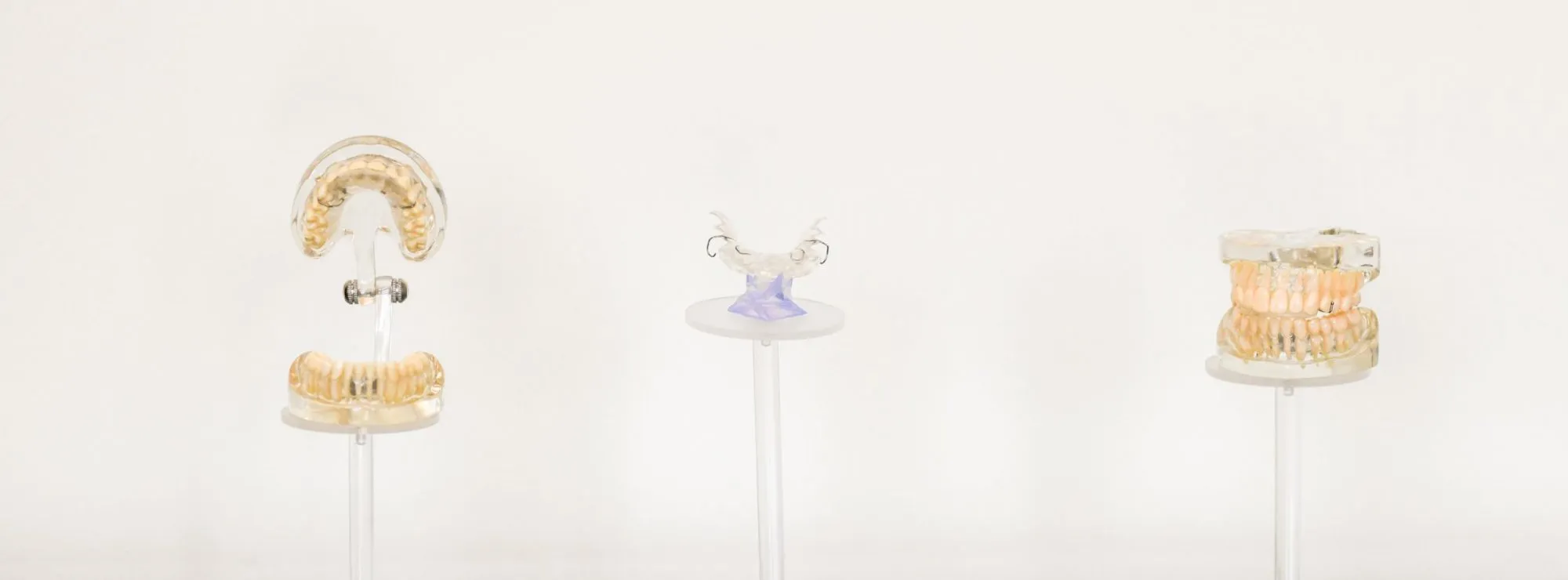
When you unload the TMJ using a simple oral device that acts like a set of crutches along with an appropriate protocol for use, the results are spectacular and positively predictable. I am proud to say we use a lot of Kleenex in our practice. But our practice and our affiliated company, TMJ Services, have a lot of work to do educating both my medical and dental colleagues in how to properly diagnose and treat Temporomandibular Joint Disorder, (TMD). This is currently a work in progress.
Comments are closed.