




#136 Inflammation Within the TMJ Drives All the Symptoms
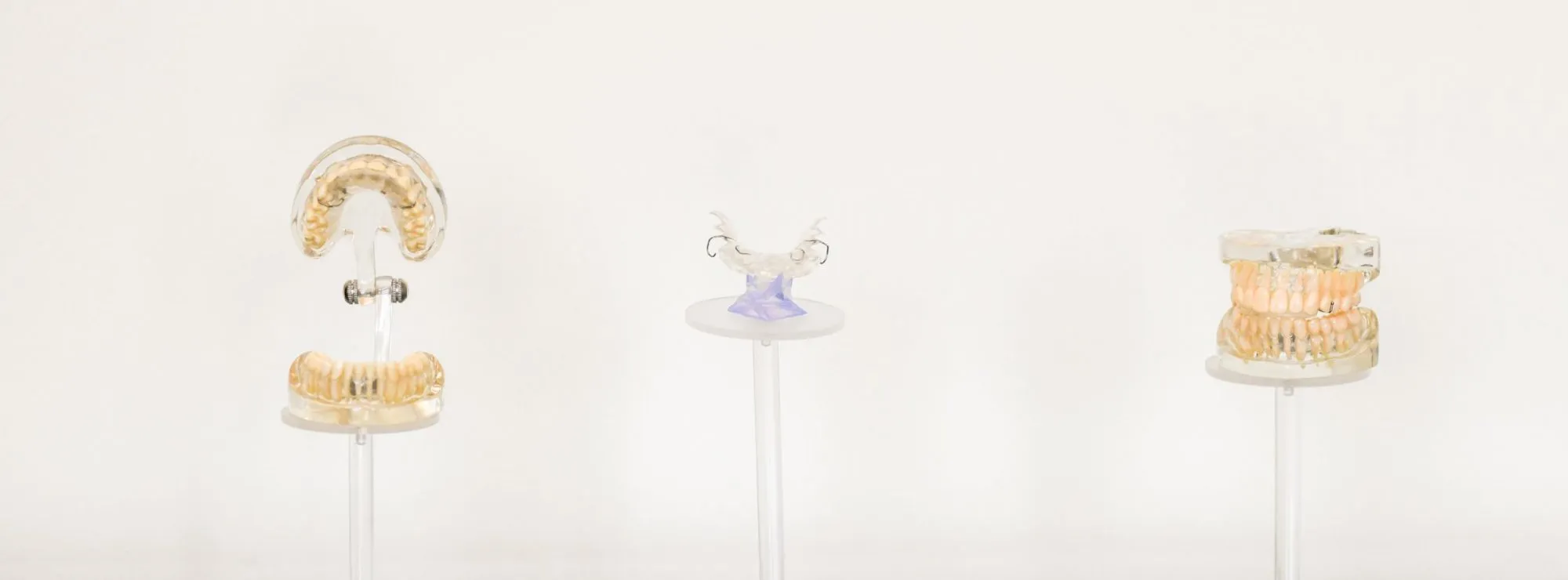
It has been more than a decade since I discovered the actual mechanism that drives ALL the symptoms of TMD. I did not do it by myself. First, I had help from several TMD patients who told me placing their finger, a pencil eraser, their tongue, or piece of cloth between their front teeth made the symptoms better. So, I did an experiment and created a simple device that could be worn between the front teeth 24/7, speak with and be comfortable. I gave it to a patient with a 20 years history of headaches, earaches, and neck pain with instructions to wear day and night except when eating. Her instructions were to return in 3 weeks. When I walked into the examining room 3 weeks later, she surprised me by saying, “Thanks, my pain is gone”. I did the same thing for 20 other patients, and each returned in 3 weeks an told me their pain was significantly decreased. I was amazed. But I had no idea how it worked so well.
The next bit of help in sorting out the puzzle was from one of my orthopedic colleagues at Vanderbilt during my orthopedic rotation while in medical school 40 years prior. The orthopedic resident told me I needed to learn about “Joint Splinting” I said what is “joint Splinting”, and he used the example of the condition known as Tennis Elbow.
When there are way too many repetitions on the elbow, as in playing tennis, the patient complains of pain in the forearm and wrist. The elbow can also be painful, but most of the symptoms are associated with pain in the forearm and wrist. He went onto explain that when a joint, any joint becomes inflamed because of too much use or overloading, it sends a nerve signal to the brain announcing the damage. The brain then tries to help and rectify the problem by sending signals to the muscles that move the elbow to contract and tighten in an attempt to hold the joint immobile, just like a plaster cast or splint would hold a joint immobile. The brain’s intent is to hold the elbow immobile long enough to allow the inflammation to heal the damage within the joint so the person can get back to their tennis game.
When I remembered this 40-year-old conversation I realized that Tennis Elbow and TMD are the same disease, just different joints. The entire dental profession had overlooked the simple mechanism recognized by the orthopedic doctors for decades.
Dentists are taught that the TMJ is a very complicated joint, very, very complicated. That is the excuse the dental profession has used to justify why they have not been able to come up with a predictable solution for TMD.
The truth is all joints operate in the same manner and the TMJ is no different from the elbow, knee, or hip as to how it responds to damage and inflammation within the joint. And they are all treated in the same way to get best results. Whether it is a knee, hip, elbow or TMJ, the first line of treatment is to rest the joint. Take the load off the joint with a crutch for the knee, a sling for the elbow or a simple device that unloads the TMJ by separating the back teeth according to a protocol for best use.
This is exactly how the Urbanek Device and Protocol was developed. And I could not have done it without what seemed to be divine intervention on the part of patients and a helpful orthopedic resident.
Over the past decade of successful use in over 5000 patients, the mechanism of how TMJ inflammation also causes tinnitus, subjective hearing loss, vertigo, and various kinds of jaw locking was discovered in addition to the standard TMJ symptoms of headache, earache, neck pain, jaw pain, upper back and shoulder pain and tightness, and arm/hand/finger tingling and numbness.
When the TMJ becomes damaged and inflamed by trauma, bruxism, or functional malocclusion, the brain’s elegant response is to try and hold the joint motionless. First it signals the jaw muscles, then the neck muscles and then the shoulder muscles.
The proper way to treat TMD is to address inflammation as the cause and not waste your time chasing symptoms.
Comments are closed.