





#135 Smoke, Mirrors, AI, and TMD.
Artificial intelligence (AI) is a very hot topic. The discussion about its benefits, future expectations, and fear regarding its ability to overwhelm and supersede the abilities of us simple humans proceeding to control over the planet has been promoted by the media for months. I see these discussions as simple fear mongering. Fear is a powerful tool which can be converted into control when applied to the population at the right time for the wrong reasons. I’m sure you can think of many examples of fear being used to control individuals, groups, businesses, governments, and populations.
No doubt, AI has become a powerful tool which has application in all fields of endeavor. It will likely grow rapidly in importance from this point forward. But I doubt the fear mongers will be proved correct for this simple reason. AI lacks the ability to think critically on a subject. It can only evaluate the data that is presented. It can collate, systematize, and statistically evaluate the probability of relevance based on the volume of information on any topic. But it does not have the creative attributes of the human mind. It is the creative ability of the human mind to organize data points in a unique fashion, never before attempted, that separates humans from machines. Connecting the dots in a unique way that is very different but effective is an art form whether used in the visual/auditory arts or business. AI cannot create. It can only regurgitate data available. “Garbage In, Garbage Out”.
I know the virtual images and artificial vocal imitations are impressive, but they are only based on the data available to the computer from audio and video files.
The advantage AI does possess is speed of action. That is truly impressive. AI can “think” hundreds if not thousands of times faster than a human. But speed is not the same as accuracy in solving a new problem. Speed is not the same as creativity. Speed is not the same as relative importance.
The history of TMD has been filled primarily with smoke and mirrors. From the point that Dr. James Costen attributed the symptoms to lack of posterior dental support to the current reliance on night guards to treat the symptoms, nothing made any sense when the golden rule was applied. This golden rule question was rarely, if ever, applied to treatments for TMD. “Does the treatment applied actually produce the results promised?”
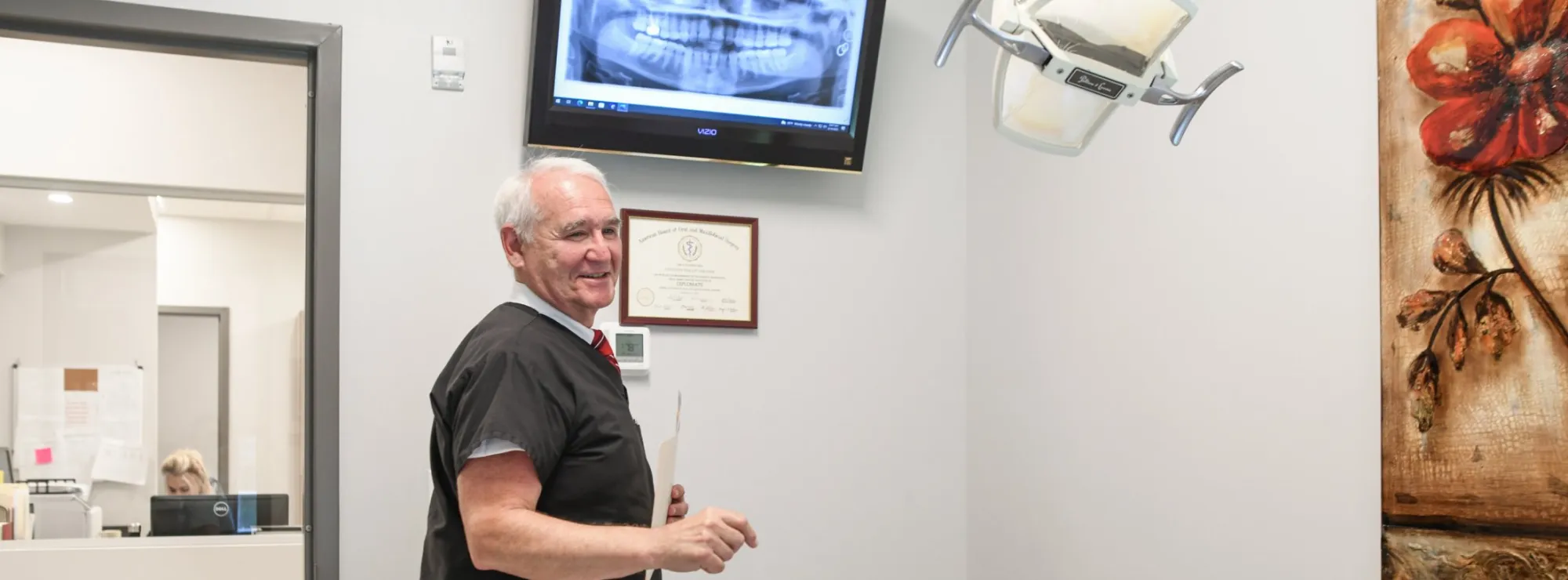
Additionally, too much time and energy has been spent on how to properly diagnose TMD. Opinions vary all over the place depending what type of health care provider or researcher is speaking or writing. Various kinds of machines and methods have been applied to measure muscles, nerves, bones and cartilage. (MRI’s, CT scans, plain x-rays, electromyography) But taking measurements is not the same as understanding the cause of the disease and certainly not the solution. They only act as smoke and mirrors to distract from the fact that for 70 years the dental and medical profession has struggled to find an agreed upon solution for TMD.
Most recently, I was asked to evaluate two devices promoted as the solution for TMD. They could only be described as complicated computer/IT driven methods to study the parameters of the symptoms. But we already know what the symptoms are. We just need to know the solution. My evaluation was simple. Just more smoke and mirrors.
As a final confirmation I called up Chat CPT and asked, “Best treatment for TMD?”. I received the same list of interventions that have been used and recommended for 50 years, each of which having very limited success, if any at all. Nothing new. Nothing creative based on the millions of data points available. Just the same old stuff.
Just the same old stuff as deflections, smoke, and mirrors from answering the actual question. The real answer to the question was discovered by creatively connecting the dots without the help of AI. Ask and we’ll share the whole story.
Comments are closed.