





#134 Everybody Has Two Bites and Why that is Critical to Understanding the Correct Way to Treat TMD
Everybody has two separate and distinct bites and understanding the difference between the two is critical to understanding the cause of TMD and its successful treatment. TMD is truly a “Dis-Ease”. There is nothing about this disease that is comfortable. Every symptom associated with this disease makes the patient extremely uncomfortable.
This disease has multiple disparate symptoms that appear to both patients and health care provides as unrelated. Some of these symptoms are progressive and quite severe, leading to emotional depression. It is not unusual for patients to go from doctor to doctor seeking help only to find out the treatment offered is not effective. When this goes on for years and even decades, patients become quite skeptical of the healing professions in general and anyone offering a solution for TMD in particular.
There has been a lack of understanding about this disease since in was first written about by Dr. James Costen, an ENT surgeon from St. Louis in 1934. For the first few decades it was called Costen’s Syndrome and starting in the 60’s it began being referred to simply as “TMJ”, (Temporomandibular Joint), the name of the joint. There was so much confusion about this disease that it was just named after the joint of origin. Think about how silly this is. Would the medical profession name the complex disease problems associated with the knee as “Knees”? The dental profession was completely in the dark.
There are three circumstances that create damage to the temporomandibular joint. 1. Bruxism, (Clenching and Grinding the Teeth) 2. Acute Trauma, (Bar fights and Auto Accidents), and 3. Functional Malocclusion, (Which is the difference between an individual’s two bites).
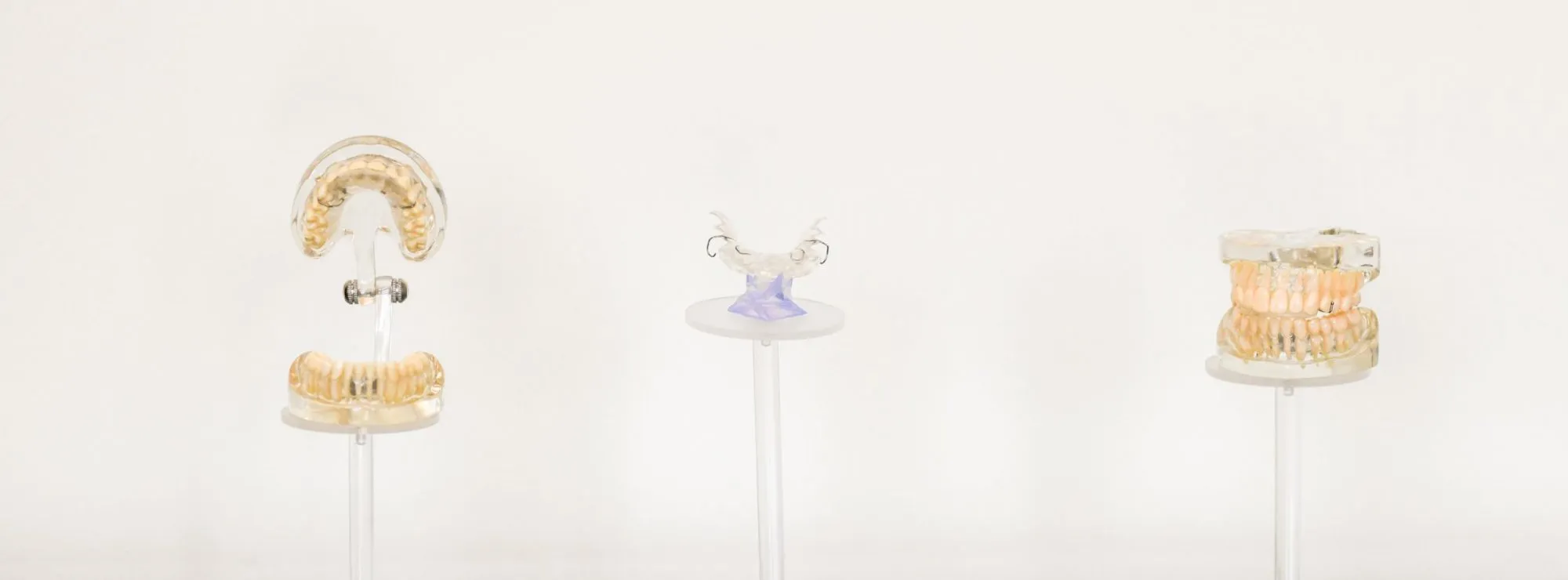
Everyone has two bites. The first bite is called “Centric Occlusion, (CO)”. Centric Occlusion is the position of the teeth as they fit together when you chew. Centric Occlusion is also referred to as the “Acquired Bite” because it is the position of the teeth that change over time as the baby teeth fall out and the permanent teeth erupt to take their place. This “Acquired Bite” or “Centric Occlusion” can be a natural progression of events or can be assisted with the help of orthodontic treatment. The second bite is called “Centric Relation, (CR)” and is defined as the position of the lower teeth against the upper teeth when the jaw joint, (TMJ) is in its most natural and comfortable position. When the jaw is in Centric Relation, (CR), the upper and lower teeth do NOT meet evenly, and most people would observe that their teeth do not fit together. But Centric Relation, (CR) is where the jaw joints are more comfortable. Most people have a relatively small difference between CO and CR and can accommodate the constantly changing dental positions between CO and CR without damaging the jaw joint. But others have very large differences between CO and CR or cannot accommodate even the small differences and create damage to the structures within the TMJ. When these structures are damaged the body responds with inflammation, attempting to heal the damage. When the inflammatory response is not successful in healing the damage, the inflammation becomes chronic inflammation.
I discovered that it is chronic inflammation that drives every symptom of TMD. Chronic inflammation is the cause of the symptoms and “Functional Malocclusion” or difference between a person’s two bites, “CO/CR” is one of the three causes of chronic inflammation.
Patients have no control over whether they clench and grind their teeth. And they have no control over a traumatic event once it occurs. But patients do have control over functional malocclusions that create damage to the jaw joints. That is why, in some cases, recommendations are made to proceed with correcting the functional malocclusion after successful relief of the TMD symptoms. One does not want to damage the joint further by ignoring correction of the functional malocclusion.
Comments are closed.