







#132 What Are Nociceptors and Why Are They Important to Understanding TMD?
Nociceptors are the pain receptors in the nervous system. They are present in various locations throughout the body, both in internal organs like the stomach and the external portions like the skin and bone. Instead of calling them pain receptors, doctors for centuries have called them nociceptors, Noci-Nocere, from Latin, “To Create Pain”. Doctors have been accused of using Latin terms to sound more important. There may be some truth to that.
I prefer to use terms that patients can easily understand, but the standard term for pain receptors in nociceptor.
Bone has nociceptors embedded in the covering of the bone called the periosteum and within the bone marrow. Bone itself has no nociceptors. The periosteum is blessed with an abundant number of nociceptors and registers pain very rapidly and well whenever there are breaks in the bone or the muscles are stretched to tightly and pull on the bone. Anyone who exercises vigorously will attest to the pain that feels like it is coming from the bones.
The relationship between TMD and nociceptors is quite interesting.
TMD, (Temporomandibular Joint Disorder), is best defined and as inflammation within the TMJ (Temporomandibular Joint) caused by bruxism (clenching and grinding of the teeth), acute trauma, and functional malocclusion. Having one or more of these will cause damage within the TMJ which in turn creates inflammation within the joint. Inflammation is the bodies attempt to heal itself. Inflammation is a component of almost all disease processes. When inflammation is not successful in healing damage, it goes on and on without resolution and is called chronic inflammation.
Chronic inflammation in any joint in the body when damaged sends a nerve signal to the brain announcing it is damaged and not healing well. The brain then sends a signal back down to the muscles that move the affect joint telling them to contract and hold the joint motionless in an attempt to enhance healing.
However, when the muscles receive constant signals to contract because of chronic inflammation they place excessive force on the periosteum covering the bone stimulating the nociceptors to register pain.
This explains why chronic inflammation in the TMJ creates pain anywhere in the face, neck and shoulders where the muscles get a continuous nerve signal to contract and tighten attempting to hold the jaw from moving. Wherever the muscles are attached to the bone patients will complain of pain.
Not all the muscles which hold the jaw, neck, and shoulders tight receive signals to contract at the same time or in the same place. That is why it is common for the painful symptoms of TMD to move around and from one side of the body to the other.
Headaches are the most common symptoms of TMD, and patients report the pains wherever the muscles are attached to the head. Neck pain is the second most common symptom of TMD, and patients will report pain in the upper back, shoulders and neck wherever the muscles are attached to the bone stimulating the nociceptors to register pain.
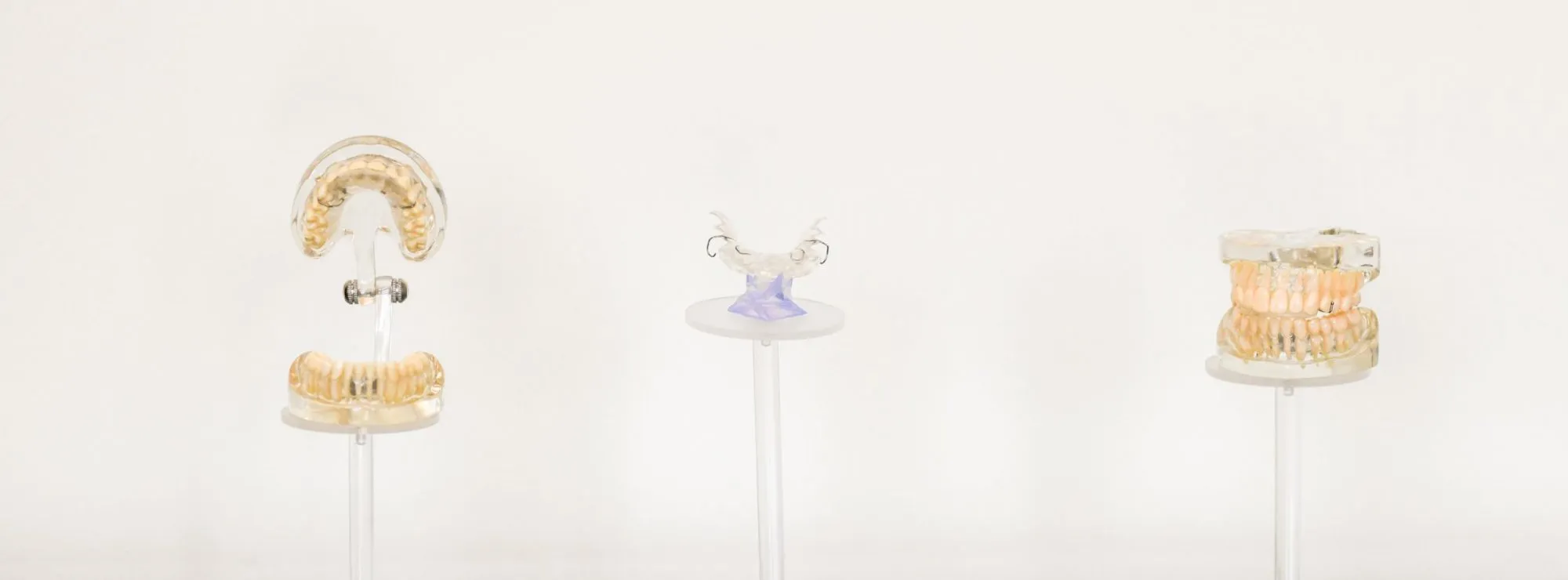
TMD is a disease created by chronic inflammation within the TMJ stimulating the nociceptors covering the bone. When the physician makes the chronic inflammation subside, the painful symptoms subside. The easiest way to make chronic inflammation in a joint decrease is to rest the joint. Orthopedic surgeons treat knee inflammation with crutches and elbow inflammation with an arm sling. The TMJ is best rested using the Urbanek Device and Protocol which takes the load of the TMJ like crutches takes the load off the knee and a sling takes the load off the elbow.
Knowing how nociceptors create headache, neck pain, and shoulder pain generated by inflammation within the TMJ should give patients confidence in resting the TMJ with an appropriate device and protocol.
Comments are closed.