





#179 Petrotympanic Fissure, Meniere’s Disease and TMD
Meniere’s disease is a chronic inner ear disorder that primarily affects hearing and balance. It is characterized by unpredictable “attacks” of severe dizziness and hearing issues that can last from 20 minutes to a full day.
A typical attack usually involves a combination of these four symptoms:
Vertigo: A sudden, intense spinning sensation that often causes nausea, vomiting, and loss of balance.
Hearing Loss: Difficulty hearing that often fluctuates (comes and goes) but can become permanent over time. It typically affects low-frequency sounds first.
Tinnitus: A ringing, buzzing, roaring, or hissing sound in the affected ear.
Aural Fullness: A feeling of pressure, congestion, or “fullness” deep inside the ear.
The exact cause is unknown, but symptoms are linked to an abnormal buildup of fluid (called endolymph) in the inner ear, a condition known as endolymphatic hydrops. This excess fluid disrupts the balance and hearing signals sent to the brain.
Hearing loss simultaneous with a feeling of fullness in the ears, like having water in your ears, is termed “subjective hearing loss”.
If you are referred to an ENT surgeon with any or all of these symptoms a very expensive work-up will be ordered which may include audiometry (hearing test), videonystagmography (VNG), Electrocochleography (ECoG), Vestibular Evoked Myogenic Potentials (VEMP), Rotary Chair Testing, and either MRI’s or CT scans.
After all that testing, and a bill for thousands of dollars, if the doctor announces that you have Meniere’s Disease, you will learn that there is no cure or treatment for Meniere’s disease
However, it is well known and accepted that tinnitus, subjective hearing loss and vertigo/dizziness are also the non-painful symptoms associated with Temporomandibular Joint Disorder, (TMD). It is also well known and described in anatomical studies that there is a fissure between the socket of the TMJ that allows inflammatory fluid to enter the middle ear affecting the inner ear and the hearing and balance mechanisms contained there.
It is called the Petrotympanic fissure and discovered by Dr. Johann Glaser in 1680. It is certainly not a new discovery. Chronic inflammation can travel through the Petrotympanic Fissure into the Middle Ear and cause all three symptoms of Meniere’s Disease. The ENT doctors admit they have no treatment for Meniere’s Disease, and studies show when the chronic inflammation of the TMJ is eliminated the three symptoms of Meniere’s Disease are eliminated.
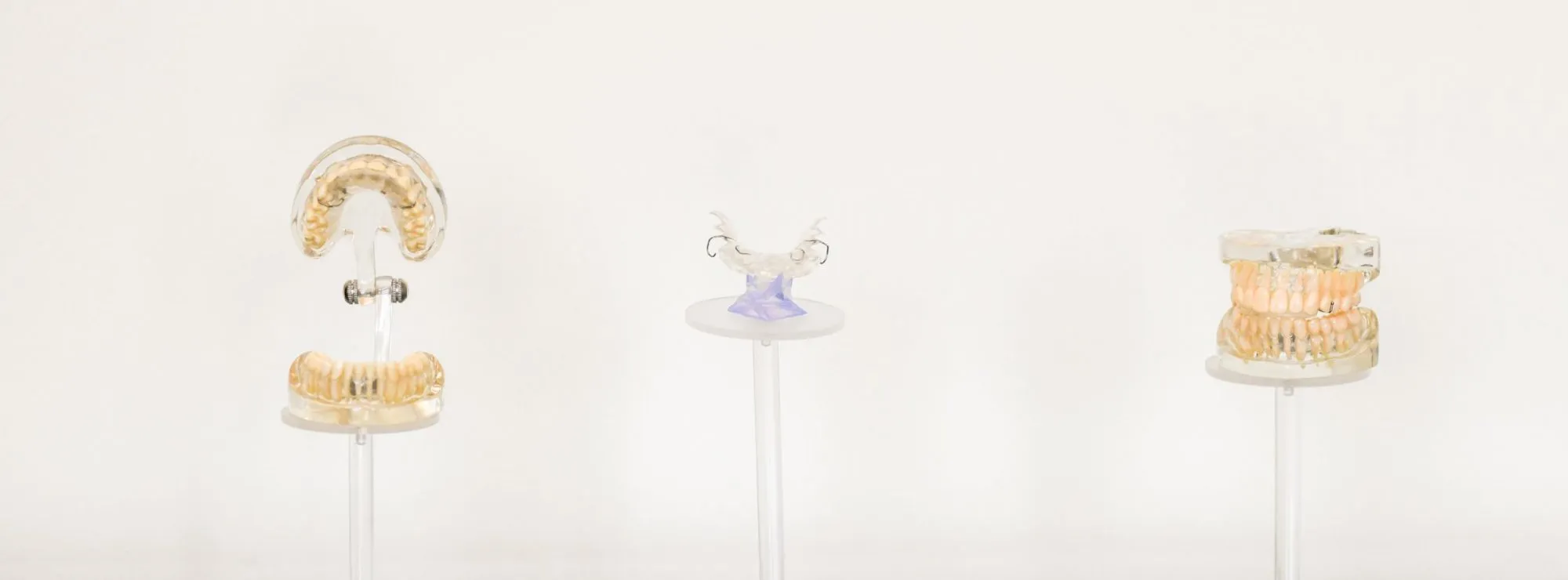
The problem is the ENT doctors don’t talk to the dentists and Oral and Maxillofacial Surgeons who treat TMD with the Urbanek Device and Protocol. There is a treatment for Meniere’s Disease, but known by another name and treated by dentists and Oral and Maxillofacial Surgeons non-surgically with a simple device and protocol.
Comments are closed.