





#178 Orthodontists Can Create TMD
There is a word that defines the occasions when a heath care provider creates or contributes to a disease process. The descriptive term is IATROGENIC.
According to Merriam-Webster iatrogenic is defined as: damage or disease induced unintentionally by a physician or surgeon or by medical treatment or diagnostic procedures. It is derived from the Greek “’Iatros” (physician) and “genic” (created from). Unfortunately, there are many examples of this throughout history up to present time. Please note the definition explicitly includes the word “unintentionally”. I am not promoting that doctors cause or contribute to disease intentionally. If they did cause or contribute to disease intentionally, it would be called by another name, from unethical to criminal.
You can also define iatrogenic as a problem or complication caused by the healthcare provider with unintended consequences. There are plenty of examples of this happening within our healthcare systems. It is likely you have experienced some of these yourself.
Today, I want to bring to your attention the two ways orthodontists cause or contribute to TMD. They certainly don’t do it intentionally. In almost all cases they do it because they don’t know any better. Therefore, the real problem is education. And education is my purpose.
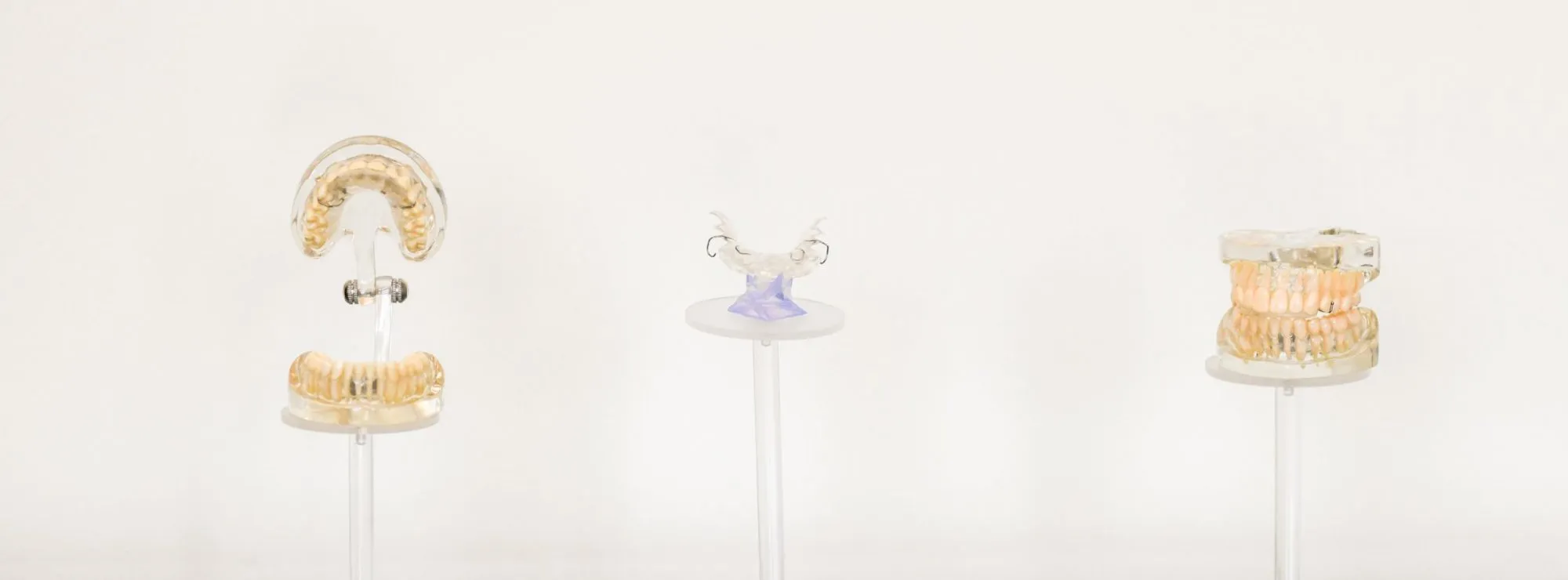
The first way revolves around the lack of awareness on the part of the orthodontist who applies traction on the entire lower jaw in an attempt to pull the jaw and teeth forward for patients that have a retruded mandible or “underbite”, or a protrusive lower jaw “overbite” in an attempt to push the jaw back. This traction can be from intraoral devices or extraoral devices. This is seen frequently in growing children. By pulling or putting traction on the lower jaw of a growing child the temporomandibular joint, (TMJ) can be damaged, and this damage will not show up as symptoms immediately. It may take several years for the damaged joint to produce the typical symptoms of TMD.
The second way is also very common. Young children, usually beginning around the age of 8 or 9, sometimes begin to show signs of facial growth problems. When this occurs and verified by a proper facial analysis, it is best to delay orthodontic treatment until the exact growth problem is defined and developed at around 15 or 16 and treat it with a combination of orthodontics and jaw surgery. It is best to advise the child’s parents that it’s best to wait a few years before treatment begins. This combined approach gives the best outcome for both facial esthetics and jaw function. Orthodontic intervention too early can complicate the outcome to the point that not only the results are less than ideal, but the TMJ’s are damaged leading to TMD symptoms.
Comments are closed.