




#172 Why Protocol Compliance Matters More Than the Device
Treating TMD correctly is a process. It’s not an all or none experience. It is a gradient process. When the real cause of TMD is understood, it makes sense why treatment is a gradient process. It would be nice if the patient could take a pill, receive a “shot”, or be placed on a machine and within 3 minutes all the symptoms were gone. Practicing Oral and Maxillofacial Surgery for 50 years, both I and my patients became used to experiencing the promised results of surgery immediately after the post-surgery swelling, pain, and bruising diminished. Doing reconstructive facial surgery you got immediate results. The reason I stopped doing Temporomandibular Joint surgery was because I couldn’t fully predict results.
The real cause of all the disparate symptoms of TMD is chronic inflammation within the joint capsule, specifically the lining of the capsule, (synovium) and the disc, (meniscus). If you know anything about inflammation, you know that it takes time to show up and takes time to go away. The best visual example of this is observing a cut on the skin. Maybe you sliced your finger in the kitchen cutting carrots. After you get the bleeding to stop you observe the margins of the laceration. They look clean without any swelling or change in color. Hopefully, the cut was not deep, and you could wrap a band-aide around your finger to pull the edges together. Let’s say you put up with the discomfort for 48 hours before you decided to change the band-aide. What did you see when you removed it? Did you see the margins of the wound were red and swollen slightly. That red swollen edge of the wound is inflammation.
Inflammation is the body’s response to damage, any kind of damage any where in the body. Inflammation is the generic term used to describe the very complex mechanism the body uses to heal itself after injury. The injury can be a traumatic injury, like the cut on your finger. Or the injury can be created by bacteria, viruses, toxins, and temperature, (burns). In the case of Temporomandibular Joint Disorder, (TMD), the injury is caused by bruxism, (clenching and grinding of the teeth), acute trauma, and functional mal occlusion. In each case, the TMJ is overloaded over a period of time and damaged. The response to the damage is inflammation. Because you must chew, talk, breathe, and swallow, the TMJ is not given the time to be held motionless and heal like the finger laceration you experienced in the kitchen. Even worse, some people, about half of the population, brux their teeth, some at night, some during the day, and some both night and day. The TMJ is never given the chance to heal properly and the inflammation in the joint changes to chronic inflammation. Chronic inflammation has different properties than regular old healing inflammation. Some of those properties begin to cause additional damage to the joint. That happens over time and the patient experiences increase in the number, frequency, and severity of the symptoms. Now, rather than having a healed joint after damage, you have TMD.
It takes time to develop TMD. Most people start their journey toward TMD decades prior to showing up in some health care providers office seeking help. If bruxing or functional mal occlusion is the cause, the first symptom is usually just a clicking of the disc within the joint as the chronic inflammation loosens the ligaments that hold the disc in place. Clicking doesn’t hurt and most people ignore it. It is commonly seen in early adolescent females because “estrogen exacerbates inflammation”. Those young females can expect to have full blown TMD within a decade or two if left untreated. Inflammation takes time to develop, and inflammation takes time to diminish.
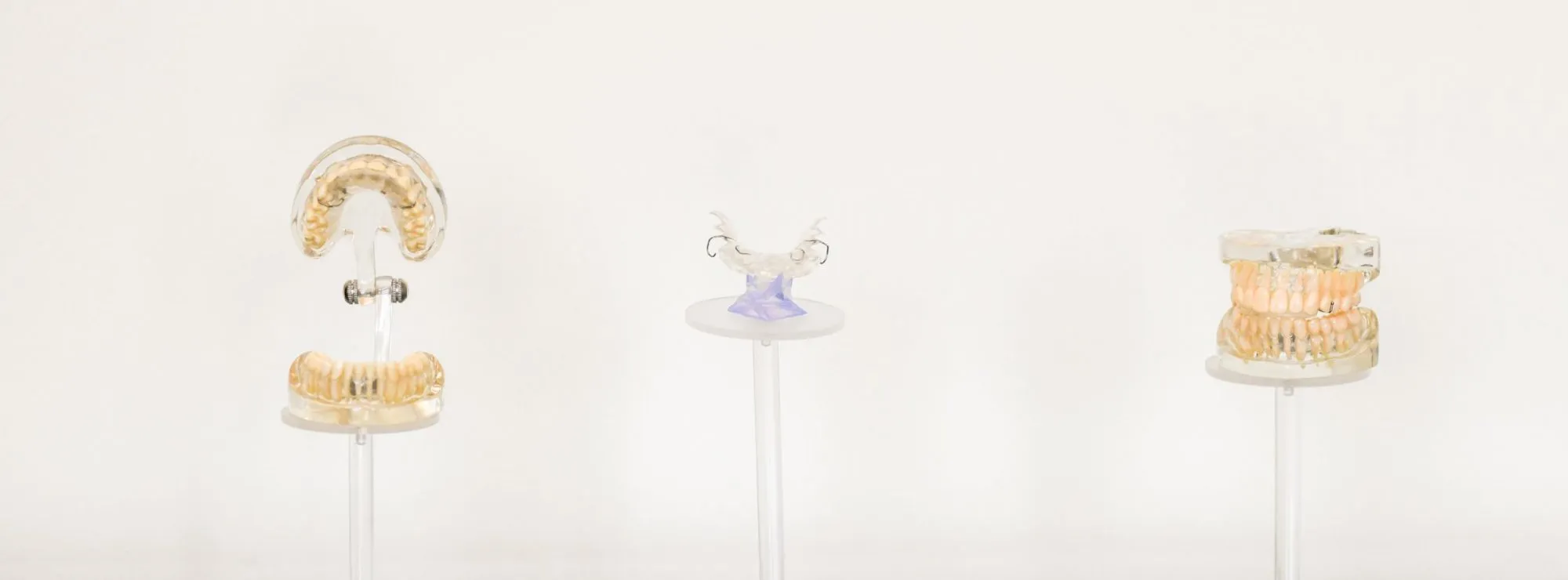
A device that unloads the TMJ over a period of time is the best and easiest way to decrease inflammation within the TMJ. Because inflammation decreases slowly it is important to use the proper protocol that allows the inflammation to decrease at its optimum rate. Inflammation decreases at different rates among patients depending on age, general health, and many other factors.
The protocol for use associated with the Urbanek Device, which simply unloads a damaged and inflamed TMJ allowing it to heal, is more important than the device itself. Using the device and protocol gives the best results. TMJ Services is here to provide the service and make sure patients with TMD get superlative results using the device and protocol properly.
Comments are closed.