





#170 Patients Expect Dentists to Treat TMD and are Surprised When They Can’t
Dentistry has a big problem. Dental schools are expected to prepare young dentists to diagnose and treat all the various diseases in the field of dentistry. One of those diseases is Temporomandibular Joint Disorder, TMD). TMD was given to dentists to treat almost 100 years ago because the medical doctors thought TMD had something to do with teeth. Medical doctors, M.D.s, know nothing about teeth. So, the rationale was, if it has something to do with teeth, it must be a dental problem. However, dental doctors are taught nothing about the Temporomandibular Joint in dental school other than it is a complicated joint, different from all the other joints in the body, and fits in a different category of joints, with a difficult name to pronounce, Ginglymoarthrodial. Therefore, the problem of TMD is very complicated. That is the logic used by dental schools to justify why they don’t teach much about TMD.
The problem is the public expects dentists to treat TMD. Dentists are supposed to know everything about dentistry, aren’t they? Unlike a medical degree which only gives the young doctor the license to pursue one of the many different areas and specialties of medical care, dental doctors, D.D.S.’s or D.M.D.’s are automatically licensed to treat all problems and diseases categorized within the entire field of dentistry. Dental and medical schools have very different viewpoints on how they approach training and licensing health care providers. Patients are very surprised to find out that their dentist knows nothing about TMD and tells his patient he doesn’t treat the problem, or worse, prescribes a night guard knowing it has no value in treating TMD.
Where can a patient go when they have a problem with their jaw joint. If their PCP thinks the symptoms are coming from the TMJ he tells the patient to go to their dentist. When the dentist doesn’t want to treat it, or worse, makes a night guard with no improvement, they are told to go to an Oral Surgeon. The Oral Surgeon tells the patient he does not do surgery for TMJ any longer because too many patients return with the same symptoms after a while. In addition, the insurance companies don’t want to pay for TMJ surgery and always deny the claim. The Oral Surgeon may recommend Botulinum toxin A, (Botox) to paralyze the painful points as they move around the face, head and neck temporarily relieving symptoms, but having to be repeated every three months. Maybe the PCP, the dentist, or the Oral and Maxillofacial Surgeon recommended a physical therapist. The patient goes to the physical therapist and has several treatments including dry needling and exercises, but the symptoms never decrease for very long, and eventually increase in intensity over time.
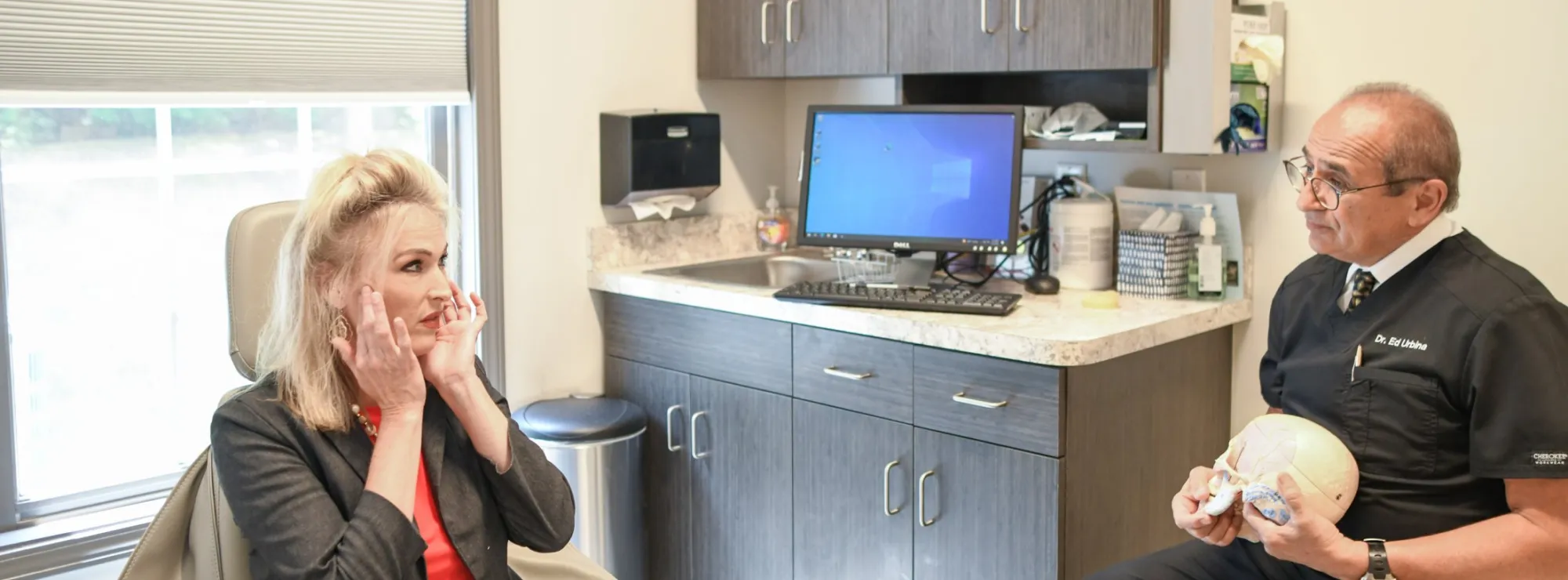
A good example of this was shared by a recent patient who had a consultation last week. This middle-aged female exhibited all the typical symptoms of TMD. After seeing her PCP and her dentist, she ended up in the Oral Surgery Clinic at a local prestigious medical center and was seen by one of the attending professors. After a thorough history and physical exam, the attending doctor confirmed the problem as TMD. He then recommended Botox injections which were of no help. The symptoms only seemed to be aggravated. He then prescribed Amitriptyline, a tricyclic antidepressant (TCA) used to treat depression, chronic pain (such as neuropathic pain, fibromyalgia, and migraines), and occasionally anxiety or insomnia. After several months this patient returned to the clinic complaining of several side effects created by the drug with no effect on the original symptoms. The doctor finally told this patient to “Stop Being Stressed”, at which point the patient knew that this doctor had no help to offer.
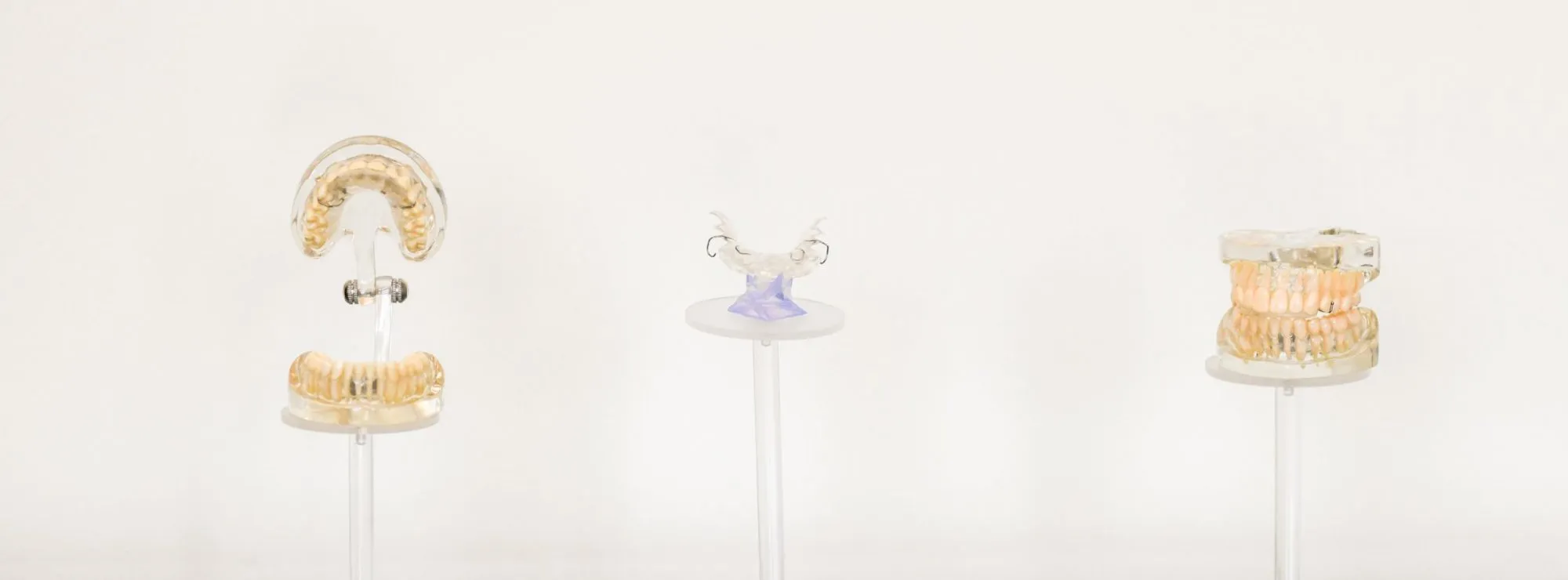
This merry-go-round is the rule rather than an exception because the dental and medical profession continue to try to treat the symptoms of TMD rather than its cause. After extensive research using all the areas of his extensive training and experience, Dr. Urbanek discovered the common denominator which creates all the symptoms. When the cause is eliminated, the symptoms are eliminated. The cause of all the desperate symptoms of TMD is chronic inflammation within the joint. When the TMJ is treated by a device and protocol that unloads the joint like a set of crutches unloads and decreases inflammation in the knee, the symptoms dissipate. It’s not rocket science. It just took a doctor who was unwilling to accept the status quo and stop the merry-go-round for the benefit of the patients.
Comments are closed.