


#169 Educating Patients and Providers is Critical in Treating TMD
It stands to reason that education is necessary to solve a problem or achieve an intended outcome. An automobile is a tool one uses to get from place to place. But you are not allowed to use that tool without some kind of driver’s education. A driving test is also required in every state to show you have mastered the basic skills of controlling your vehicle (tool) and prove you are reasonable safe and will not hurt yourself or somebody else while driving. A pencil is a tool used to communicate. Most of us learned how to use this tool when we were very young and asked to demonstrate competence many times over as we worked our way up the educational system. Practicing and controlling this tool we transitioned from printing to cursive and in the modern era back to printing since cursive is no longer taught and replaced by a key board. Now the QWERTY keyboard is a tool that allows us to use another tool called the computer.
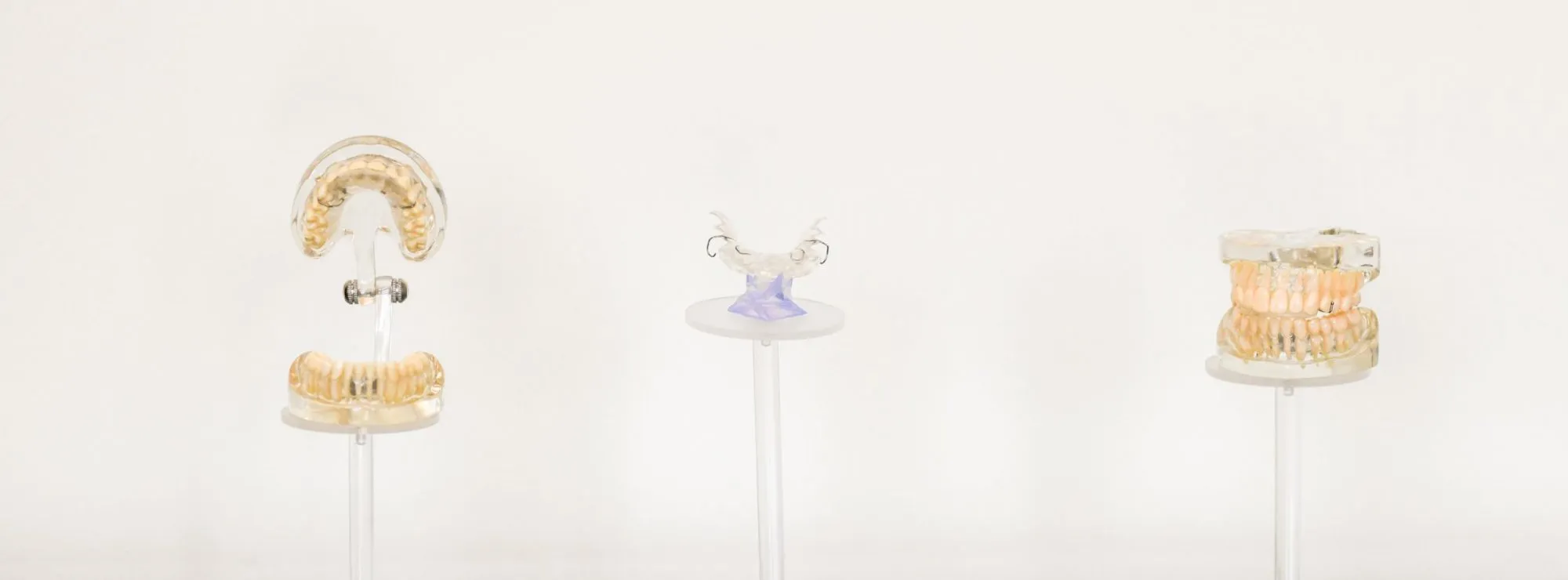
The Urbanek Device and Protocol are tools. They are separate tools. The device is a separate tool from the protocol. When used simultaneously with competence, they produce spectacular results for treating Temporomandibular Joint Disorder, (TMD). But like any tool, you need to be educated on how to use the tool. It is also necessary to know why you are using this tool. Acting together, knowing the “why” you are using these tools and knowing “how” you use them will make the person competent. It is the competence of the person using the tools that gets spectacular results, not the tools themselves. It is obvious that you can have the tools available, but if you don’t know how to use them you cannot expect the proper results. To become competent, you need to obtain education in using the tools.
A new plumber may know how to connect pipes and valves in the proper sequence, but unless he learns why he puts them together in a particular way he will never become competent in his field. This also holds true for surgeons. A surgeon can learn how to move, remove, and insert things in a body fairly easily, just like a plumber. But if he does not know why he does these plumbing procedures in the body, he will sooner or later have catastrophic results.
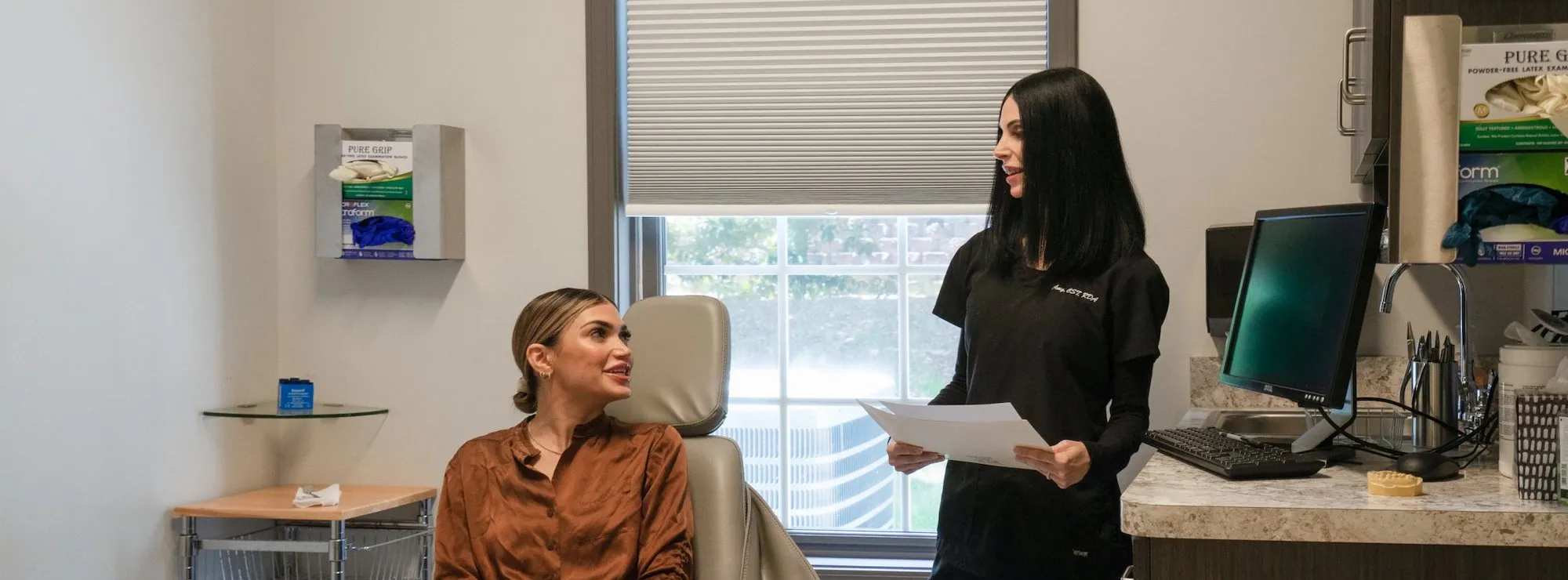
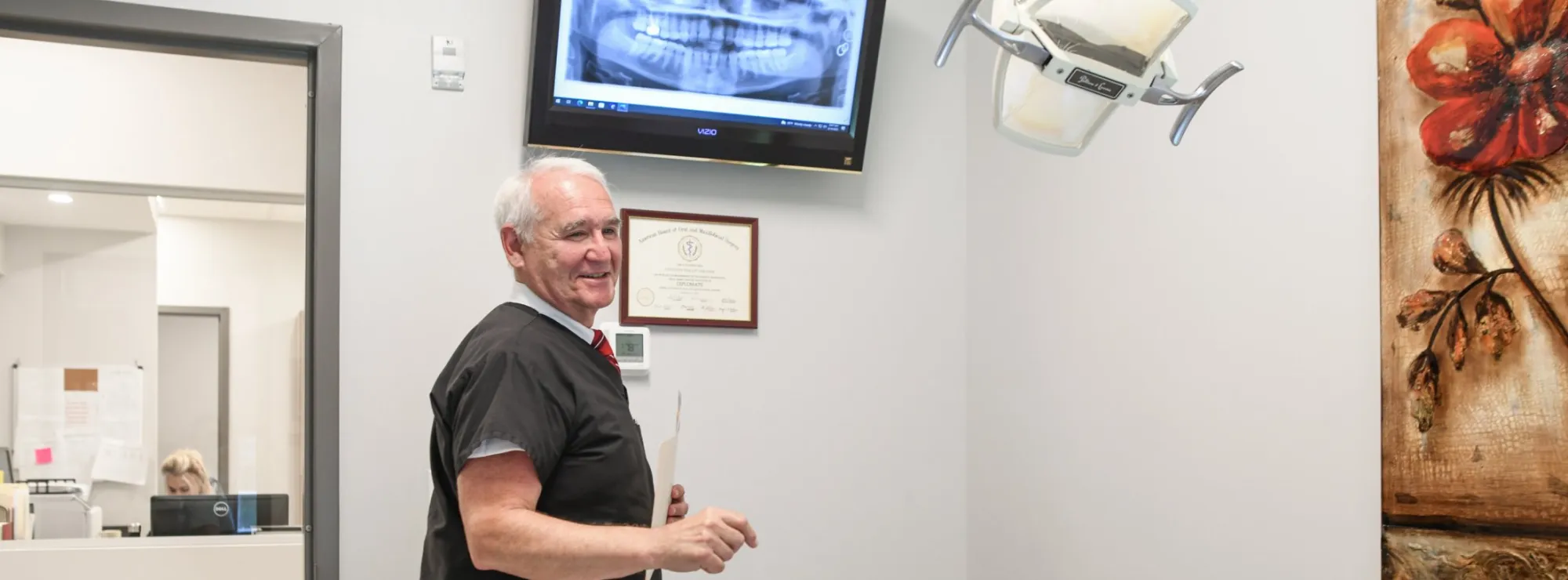
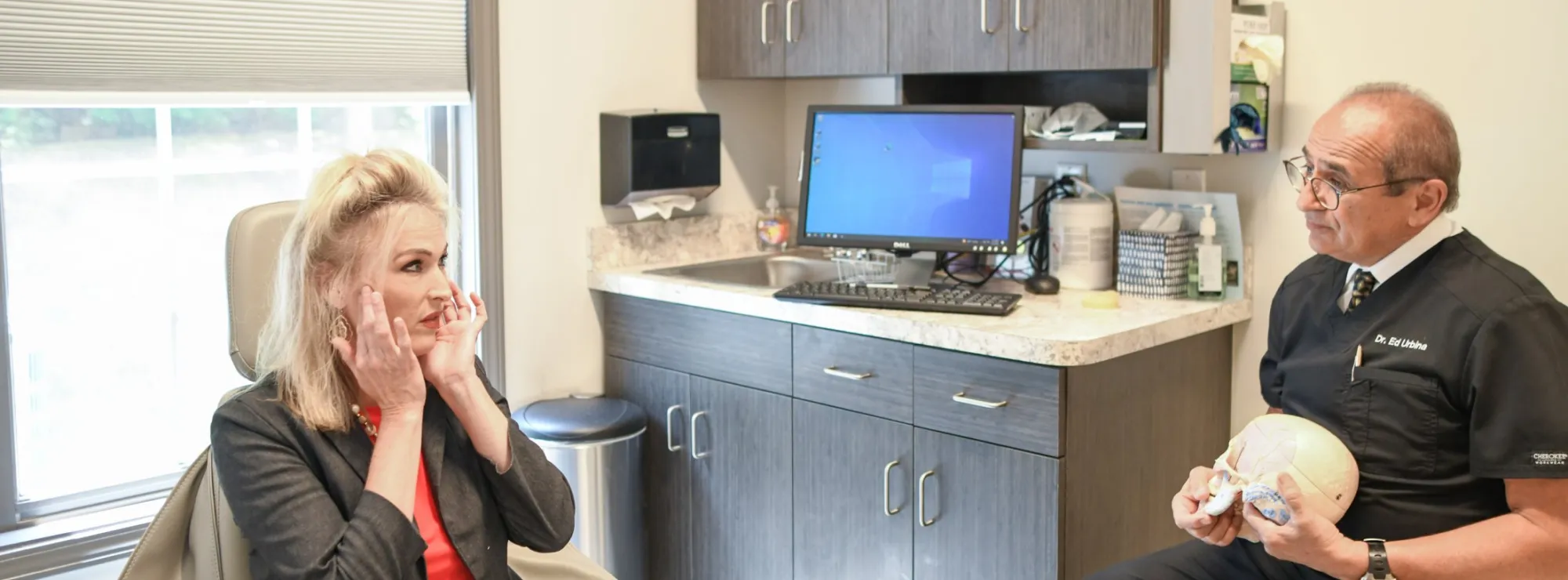
TMJ Services is a healthcare practice that provides a non-surgical solution for TMD using the Urbanek Device and Protocol for patients in Middle Tennessee and an expanding network of doctors in 18 states that are licensed to use our technology. The most important feature of what we do is to make sure our patients, the doctors licensed in other states, and the patients of these licensed doctors are educated in the how and why of using the device and protocol. Education is the most important part of our service. We take the education of our patients and doctors very seriously. If they are educated well, they can expect spectacular results using the Urbanek Device and Protocol. If they are not well educated regarding our technology the results can be less than expected. That is why it is so important that patients take the time to listen to the doctor as he educates them about how the device and protocol works and why it works including expectations. It is also important the patient or licensed network provider be allowed to ask questions if understanding is not complete. The more questions the better.
Educating others, on any topic, is generally a difficult task. Just ask any grade school or high school teacher. Fortunately, the Urbanek Device and Protocol is not rocket science. In fact, it is quite simple and can be explained in common sense terms and concepts. When I finish explaining to a patient how and why the Urbanek Device and Protocol work, I always ask, “Does this make sense to you?” The answer is, “Yes”, 99% of the time. Half the job is educating the patient. That’s how I know I have done the first half of my job. The second half of the job is to make sure the patient, or the licensed network provider uses the device (tool) and protocol properly.
What we provide is quite different from other providers who try to fix symptoms rather than the cause. They can’t describe how and why what they are offering is supposed to be effective. Just ask a dentist how a night guard is supposed to treat TMD or how Botox is supposed to make headaches go away. All you will hear is word salad.
Educating patients and providers is critical in treating TMD and achieving the expected outcome. Working together, educating patients and providers about the device and protocol, and the patients and providers using the education and tools correctly will produce spectacular results.
Comments are closed.