






#167 Please! Someone Explain How “Night guards” Treat TMD
I was in my 3rd year of dental school in 1972 when I first heard about night guards. I found myself in a Clinic called “Oral Medicine” with a young professor who had already earned a reputation as one of the most knowledgeable, innovative, and intellectually honest on the faculty. That morning, along with a handful of fellow students, I had the opportunity to observe patients being treated for what is now called TMD, (Temporomandibular Joint Disorder). At that time, and generally still is, the problem is referred to as TMJ, (Temporomandibular Joint), which is the name of the Joint. This alone should have been a forewarning that there was something seriously askew regarding the subject being taught. Do orthopedic surgeons call disease of the knee, Knees? This alone demonstrates the confusion and lack of understanding dentists exhibit about the problem.
As I recall, there were three consultations scheduled in sequence that morning. Patients were seated in a dental chair, one at a time, with the professor taking the history of symptoms and doing the examination surrounded by us student observers. One after another the patients shared their complaints of headache, earache, jaw pain, neck pain, tinnitus, subjective hearing loss, vertigo, upper back and shoulder pain and tightness and various descriptions of jaw locking. One even described the pain as feeling like a tooth ache. Each of these patients had already been examined in the dental clinic, and the usual culprits of decay and periodontal disease ruled out. So, they were sent to the Oral Medicine Clinic and this bright professor to find a solution.
The examination of the intraoral and head and neck portions of the body revealed nothing unusual other than pain on pressure placed on the joint itself. A review of x-rays was done which provided no further insight. After history, physical, and x-ray review, each patient was confirmed to have the diagnosis of “TMJ” and prescribed pain medications and a night guard. Pain tablets and night guards for three patients in a row. As I observed, I was silent, although several of my fellow students had questions.
After the last patient had left the consultation room, I was at first hesitant to ask my question. I was hoping one of the others would ask the obvious, but none had. Keep in mind, I was just a young dental student and was sure of one thing, I knew nothing, I was there to learn. “How does the night guard make the symptoms go way” I blurted out. I can vividly recall the answer. Although I cannot remember the exact words, the answer seemed like word salad and made no sense. It followed no anatomical, physiological, neurological, or biochemical rules I had so intently learned during my first two years of dental school. Knowing not to argue with a professor, I just responded, “Thank you”, but left the experience without an answer to my question.
Fast forward 54 years. Since finishing dental school, I completed degrees in Cell Biology/Anatomy, Medicine, residency training in the specialty of Oral and Maxillofacial Surgery, and a fellowship with the NIH, (National Institutes of Dental and Craniofacial Research) to study facial growth and development. For the first 36 years of my private practice career, I treated TMD performing TMJ surgery on over 2000 cases. For the past 14 years I limited our practice to the non-surgical treatment of TMD.
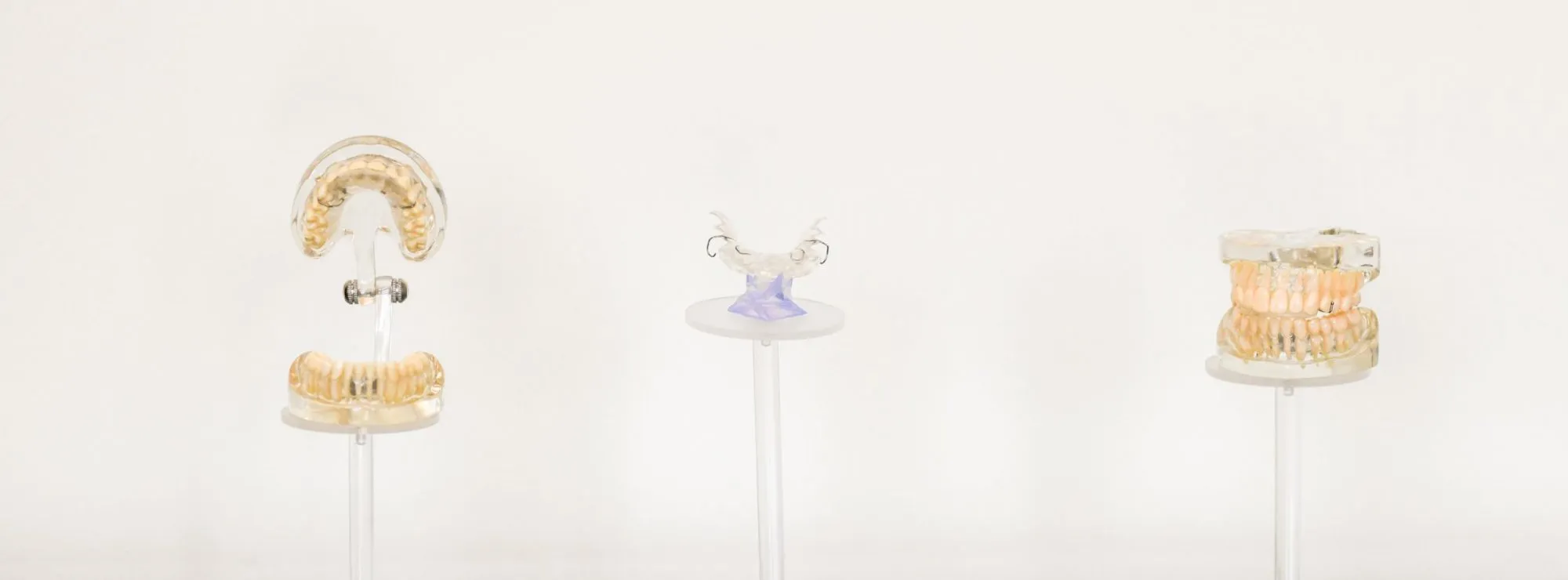
During my 50-year career I have observed dentists in both private practice and university settings consistently recommend and prescribe night guards for the treatment of TMD. In fact, to this day, 50% of dentists prescribe a night guard for TMD because that is what they were taught in dental school. The other 49.9% don’t want to treat TMD at all. And then there are the 0.01% TMD gurus who treat TMD with smoke and mirrors. And, when asked, no one has ever been able to explain to me how “night guards” work in treating TMD.
During my weekly podcast, “TMD Demystified”, I often invite dentists to enlighten me as to how night guards make the symptoms of TMD go away. After 233 weekly podcasts, not a single dentist has even tried to contact me with an explanation. Yet 50% of dentists continue to prescribe a night guard for the treatment of TMD. And, on investigation, night guards are one of the largest revenue sources for dental labs.
Why is this happening? What is going on? Do dentists prescribe a service or solution to a problem and do not know why they are doing it? The answer is an obvious, “Yes”. But patients know night guards don’t work. Many report that their night guard made the symptoms worse.
I’m still waiting. “Please! Someone Explain to Me How ‘Night Guards’ Treat TMD”, or stop the nonsense.
Comments are closed.