




#153 “Observe the Obvious” and TMD
Doctors have been trying to solve the TMD (Temporomandibular Joint Disorder) conundrum for the better part of 90 years since an ENT surgeon first described the problem in 1934. He theorized the cause was lack of posterior dental support, (missing posterior teeth). The problem was then given to the dentists to solve because the medical doctors did not want anything to do with teeth. The dentists and several of the dental specialties thereafter took their turn at coming up with solutions.
The general dentists developed sophisticated machinations to change and correct the bite to make the teeth fit together more evenly. This is called dental equilibration and entails grinding the high spots and interferences of opposing teeth. Some dentists attempted to treat the problem by totally reconstructing the bite using crowns and bridges to develop a whole new bite. Today, almost all general dentists have given up on treating TMD by reconstructing the bite.
The Orthodontists used various types of “braces” and oral appliances to straighten the teeth and put them in more proper alignment in hopes this would decrease interferences between opposing teeth similar to the goal of the general dentists grinding on the teeth and reconstructing the tooth surfaces. Today, most orthodontists have given up on trying to treat TMD using orthodontic methods.
The Oral and Maxillofacial Surgeon’s attempted solutions for the TMD conundrum centered around reconstructing or fixing the TMJ (Temporomandibular Joint) to relieve the symptoms. Many kinds of surgical procedures were developed. Some of them proved beneficial and some of them were not. Some of them ended in tragedy. The problem with surgery was it was impossible to predict which surgical procedure was going to be beneficial to which patient. Roughly one-third of TMD patients treated surgically would be back within 6 months to 2 years with recurrent symptoms. Today, you can hardly find an Oral and Maxillofacial Surgeon willing to treat TMD surgically.
One thing that was consistent when dentists and dental specialists treated TMD was the inconsistency of the results.
But there is a well known and accepted treatment for TMD that is very consistent. When applied to a patient with TMD it decreases symptoms rapidly and consistently almost 100% of the time. That treatment is non-steroidal anti-inflammatory drugs like Ibuprofen, Naproxen and Aspirin. Non-steroidal drugs work very well, but only for a very short time. They consistently run out of steam after a week or two. When used beyond that, they will commonly cause painful gastritis and can ultimately create renal and liver damage. So, you can only use non-steroidal drugs for a limited amount of time.
Non-steroidal drugs work so well by decreasing inflammation. Inflammation is the generic name for a very complicated process in the body that is turned on whenever the body is injured. All doctors and medical scientists know and agree that non-steroidal drugs decrease inflammation. It is obvious to observe that decreasing inflammation within the TMJ decreases symptoms.
It is obvious if you make the inflammation diminish the symptoms go away. That is an example of observing the obvious.
What if there was something that decreased inflammation within the temporomandibular joint consistently, predictably, and for long duration, instead of only for a short period.
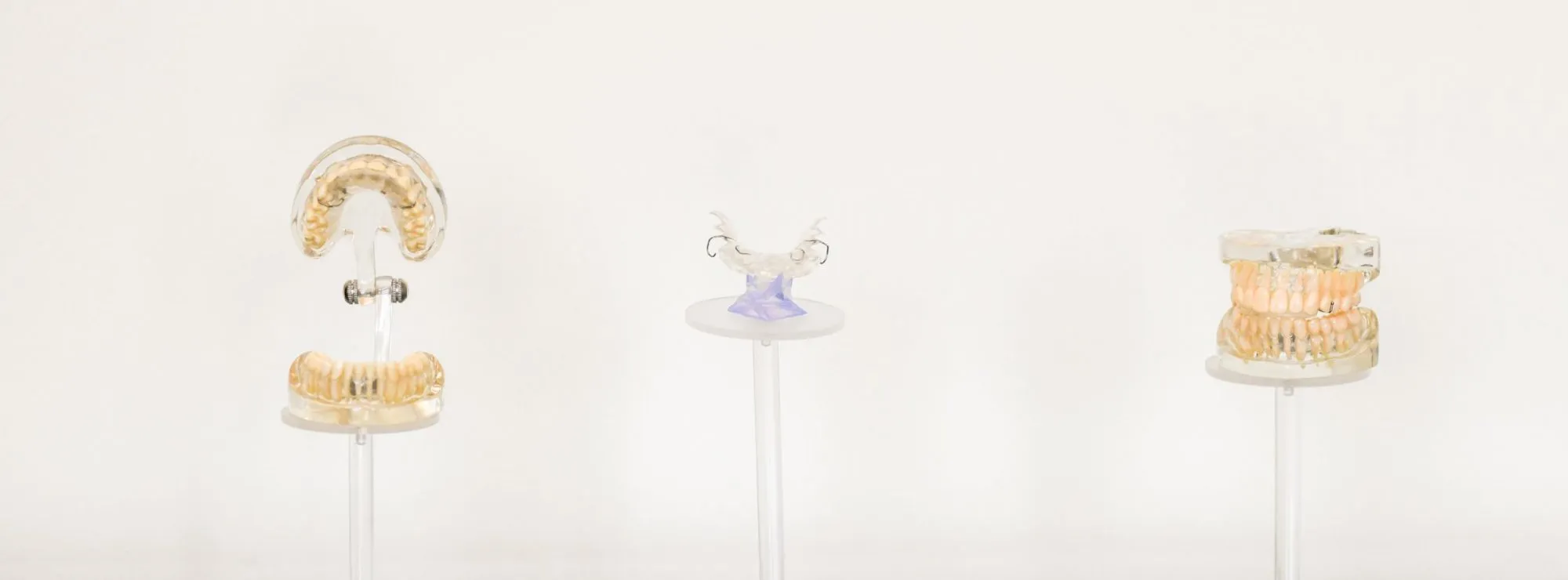
There is. It’s called the Urbanek Device and Protocol. It’s a simple intra-oral device that most people confuse with an orthodontic retainer. It unloads the TMJ like crutches unloads a damaged knee. It has achieved FDA clearance, proven statistically by independent university study based on 3000 successfully treated patients, and licensed for use by doctors throughout the US. It was developed for the benefit of patients by “Observing the Obvious”.
Comments are closed.