






#152 TMD and Status Quo Bias
First let’s define our terms.
TMD is Temporomandibular Joint Disorder. It is a disparate list of symptoms which include frequent and/or recurring headaches, earaches, jaw pain, neck pain, ringing in the ears, a feeling of fullness in the ears, (hearing loss), vertigo/dizziness, upper back and shoulders pain and tightness, arm/hand/finger tingling and numbness, and various types of jaw locking. All these symptoms are caused by chronic inflammation within the Temporomandibular Joint, TMJ. It is a single disorder associated with damage to the TMJ which creates the common cause, chronic inflammation
Status quo bias is the emotional, irrational preference for keeping things the way they are, or leaving a decision as it currently stands. This cognitive bias causes people to favor the familiar and resist change, even when a new option might be objectively better.
Temporomandibular Joint Disorder has been the bane of the dental profession for the past 70 years. Medicine didn’t want anything to do with solving TMD because teeth were attached to the jaw which was attached to the jaw joint. The dental profession was given TMD to solve. But the profession had focused on fixing teeth for so long that when it was given the responsibility of solving TMD it was handled poorly or not at all.
To this day, half the dentists don’t want to treat TMD at all. The other half are so confused about it they prescribe a night guard for the problem thinking it has some kind of mystical effect. A night guard protects the teeth from damage caused by clenching and grinding but has no effect on treating TMD. This is the current experience for the TMD patient.
And then there are a few TMD gurus who hold themselves out to be TMD specialists. They represent just .001% of those that hold dental degrees. They think they are very special because they are rare. But they hold so much “status quo bias” they inhibit any real progress for treating the disease. They make the diagnosis and treatment of TMD so complicated that any patient or well-trained dentist will give up trying to understand their methods. Additionally, they are well known for gaming medical insurance companies for their obtuse and complicated treatments. The medical insurance companies are onto their ruse and want nothing to do with covering TMD.
The TMD gurus and the dental schools that teach complicated methods of care are simply condemned with extra helpings of status quo bias. They feel it is to their benefit to make diagnosis and treatment complicated and even propose using a multidisciplinary approach to bring as many kinds of health care providers as possible into the mix.
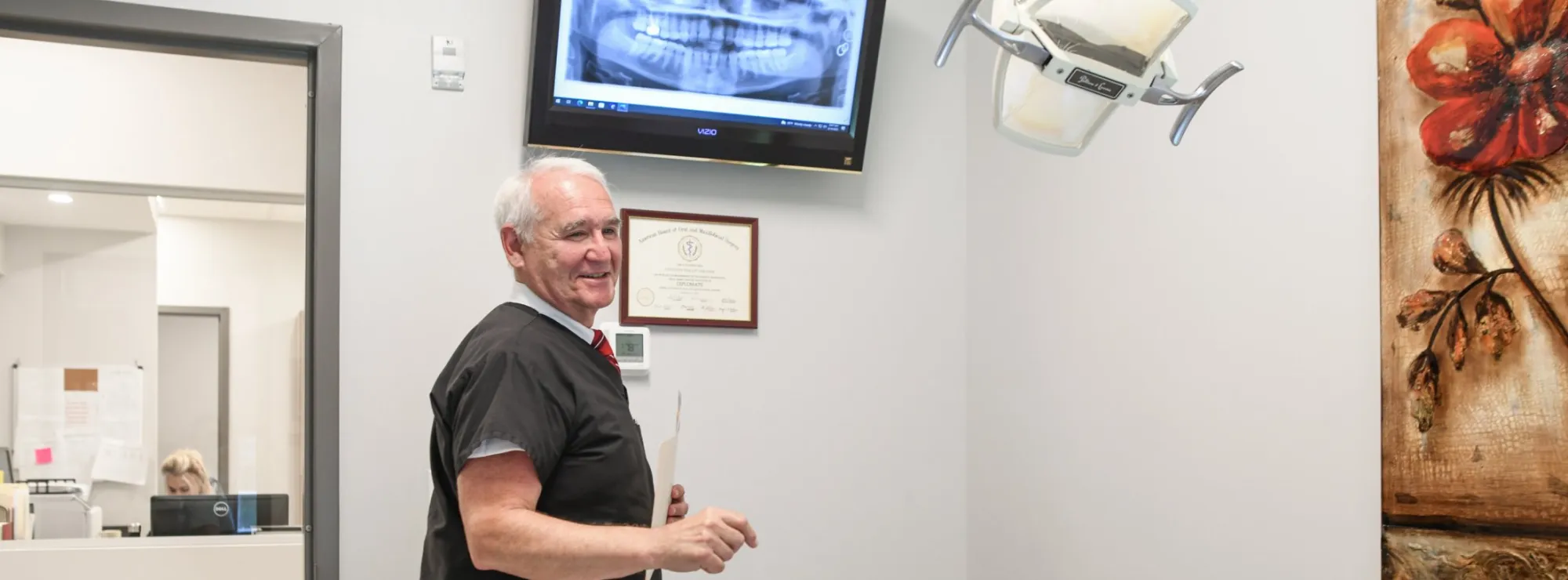
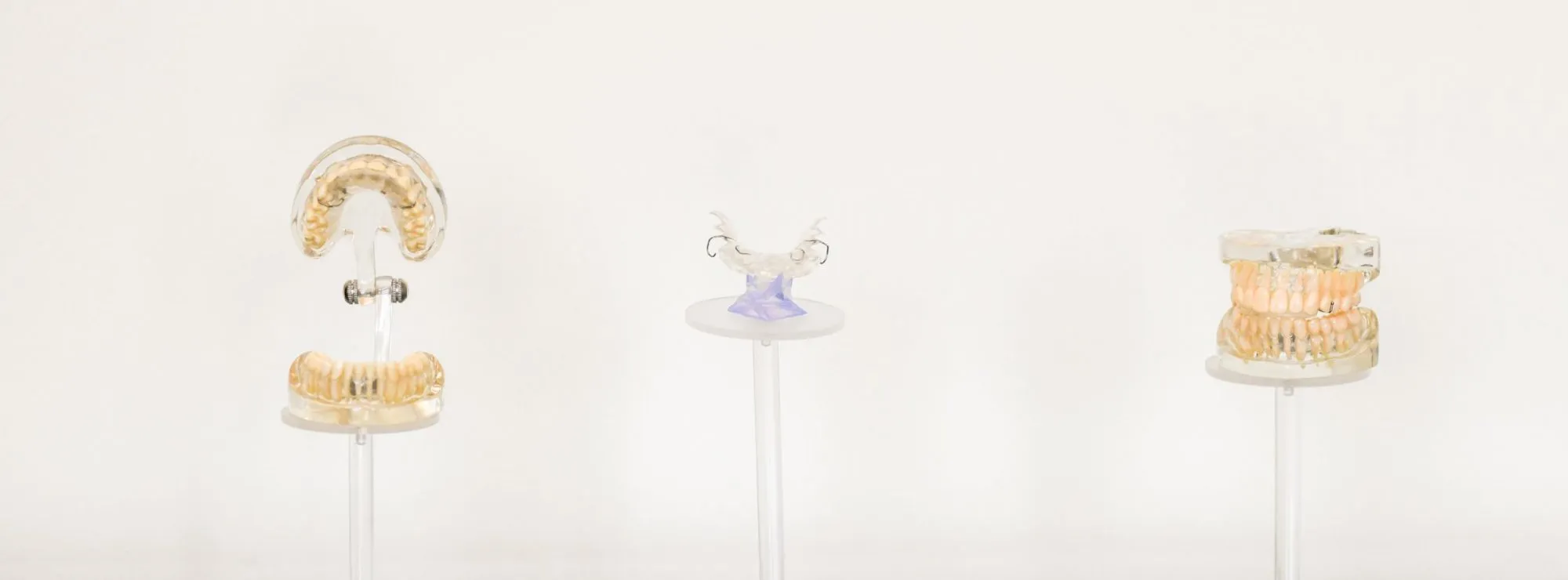
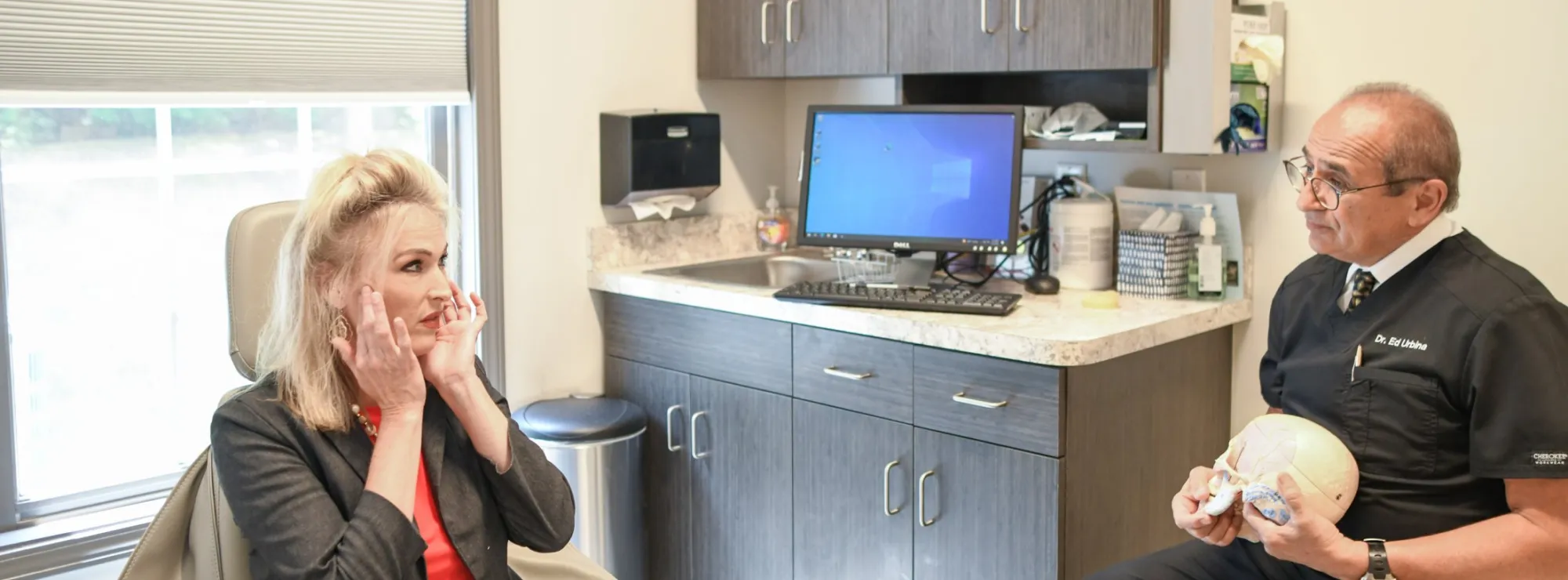
TMD is not a complicated disease. It is easy to understand and relatively easy to treat successfully. Each day we consult with and explain to patients how their symptoms are related to chronic inflammation and how decreasing the inflammation with a simple non-surgical device and protocol solves the problem. We do not deliver explanations full of “word salad”. We are not satisfied until the patient themselves understand the disease and solution. Successful treatment is not a long process. Within a few weeks to a couple of months, patients are experiencing significant symptom relief. The intra-oral device is a tool to use along with a protocol tailored to the patient, the symptoms, and the history of the damaged joint. The patient just needs to be compliant without status quo bias and follow the protocol to obtain maximum benefit.
Comments are closed.