





#130 Why Does TMD Sometimes Feel Like a Toothache?
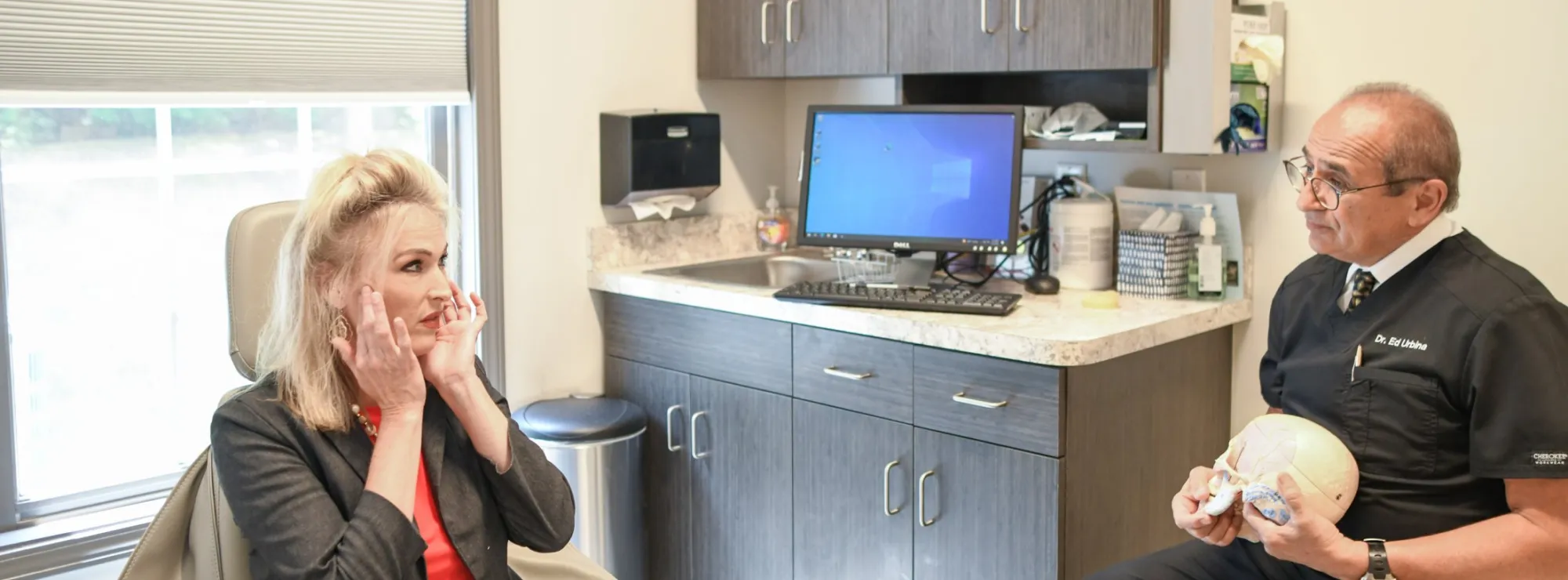
Pain associated with TMD (temporomandibular Joint Disorder) is often described by patients as feeling like a toothache. They point to the offending tooth or area and say, “It hursts right here doctor!”. These pains are always associated with a posterior molar tooth. When the dentist x-rays and examines the offending tooth there is no evidence of decay or periodontal disease. This is very perplexing for both the patient and the doctor. The patient is certain it is a toothache, and the dentist is just as certain that it isn’t. This has led to more than an occasional, less than civil, confrontation between patient and provider.
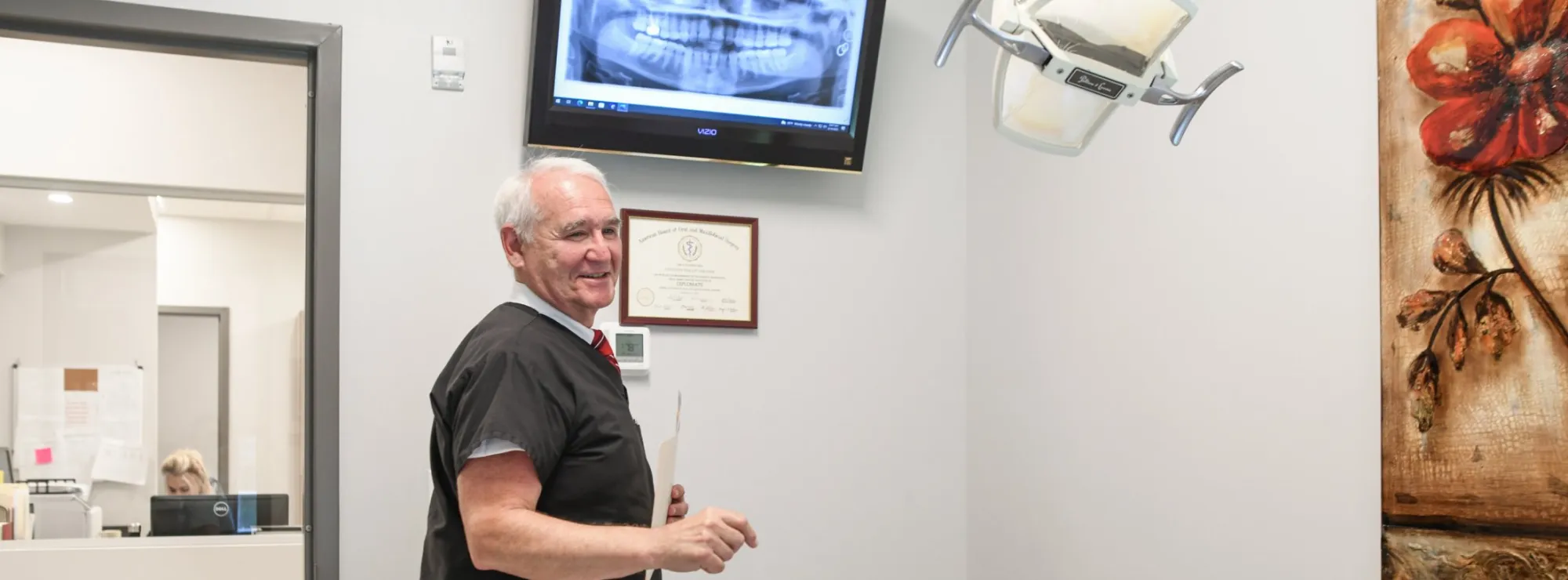
It is not unusual for me to review a panoramic x-ray during a TMD consultation and see a perfectly healthy set of teeth except for one or two missing molars from one side or the other. In these cases, I make an educated guess this patient had their teeth removed even though the dentist could find no pathology. Most of the time I am right.
Some patients are so insistent that the pain is originating from a diseased tooth that they talk the dentist into removing it although perfectly healthy.
Fortunately, most dentists maintain strict ethical standards and refuse to extract a healthy tooth no matter how angry the patient.
But when you know how inflammation in the TMJ, (temporomandibular Joint) creates pain, it makes perfect sense how sometimes it feels just like a toothache.
Damage to the TMJ occurs due to clenching and grinding, better known as bruxism, acute traumatic events to the jaws, often seen in “whip lash” associated with motor vehicle accidents, and functional bite problems. Once injured, the TMJ begins the healing process by generating an inflammatory response within the joint capsule attempting to heal the injury. (Inflammation is the body’s response to any kind of injury.) When the injury is too great or too persistent, as is seen in bruxism, the inflammation changes characteristics and becomes what is known as “chronic inflammation”. Chronic inflammation is the body’s alarm bell that there is something terribly wrong and normal healing responses are not occurring. At this point the autonomic nervous system and the endocrine system are stimulated to work together to solve the dire emergency occurring in the body. This reaction is called the “FIGHT or FLIGHT Syndrome”.
In the case of chronic inflammation within the TMJ, a nerve signal is sent to the brain announcing the unremitting damage, and the brain responds by sending nerve signals to the muscles that move the TMJ to tighten and contract attempting to hold the joint motionless. When the muscles get excessive signals to contract and tighten, they exert excessive traction on muscle/bone attachment stimulating the pain sensors located in the periosteum covering the bone. This causes very localized pain where the muscles are attached to the bone.
A quick review of any human anatomy book shows that two of the largest muscles that move the jaws are located right next to the lower posterior molars. The pain is created next to the molars, not within the molar teeth. But the patient thinks the pain is coming from the tooth and demands it removal.
Unfortunately, some dentists give into their patients demands, even though they know better. The tooth is removed but the pain persists.
I have seen this scenario play out way too often.
Now you know why TMD sometimes feels like a toothache.
TMD is not a complicated disease when you understand the nature of how chronic inflammation works with the autonomic nervous system and endocrine system to stimulate the emergency “Fight or Flight response”
TMJ Services is dedicated to educating dentists, physicians, and public alike in understanding the real mechanisms causing the symptoms of TMD.
Comments are closed.