





# 76 Why TMD/TMJ is a Confusing Disease
It was 50 years ago, while training in Oral and Maxillofacial Surgery at Vanderbilt University Hospital, I confronted my first case of TMD/TMJ. As a junior resident I was allowed to assist the chairman of the department operating on a patient who exhibited the disparate symptoms of this confusing and devastating disease. Before having the privilege of assisting in surgery, the junior resident’s job was to perform the hospital admission “History and Physical Exam” the evening before surgery. The patient in question was a bright young woman about 25 years old. In that exam room I was about to be immersed into one of the most confusing diseases known to man.
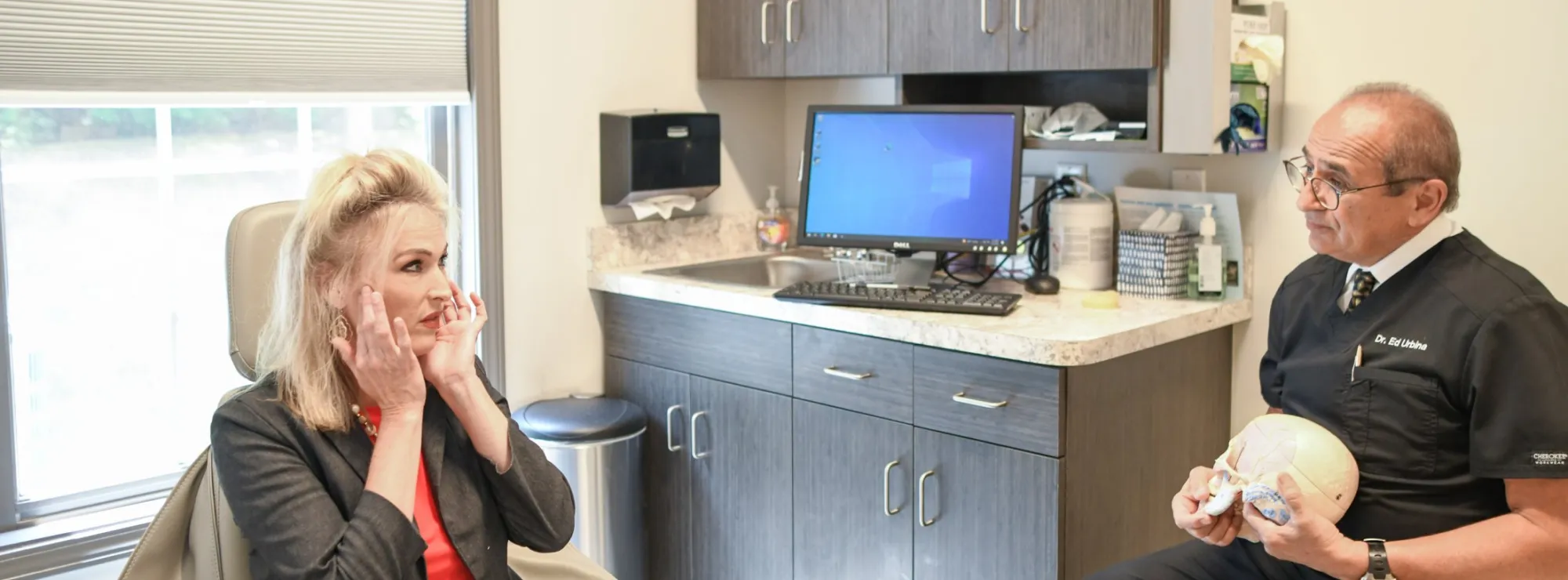
As I started taking the health history, I was astonished to hear her describe the symptoms that she had been experiencing. Some started when she was 15 years old. She had terrible headaches almost every day. Her neck was so painful that she did not want to look right or left. Some days the pain would shoot into her ear on the left and some days the pain would shoot into her jaw on the right, making it feel like a toothache. She had bouts of dizziness and she felt like she could not hear because her ear was full of water. The pain was more prominent in the morning and would last for days. At other times the pain would subside for a few weeks only to return with a vengeance. She had heard clicking in her jaw as a child, but was not painful until she started her menstrual cycles at age 13. By the time she was 15 the constant pain would make her cry every night.
Over a 10-year period she had been seen by several doctors. Each had focused on one of the symptoms. She was first seen by her pediatrician who sent her and to a neurologist for the headaches. The neurologist ran a whole lot of tests and then gave her a diagnosis of cluster headaches and a prescription for a medication that made her feel weird. The headaches persisted. After 6 months her mother stopped giving her the medication and took her to an ear, nose, and throat doctor for her now constant earaches. The ENT did and extensive work up with x-rays and hearing tests and could find nothing wrong. She had mentioned to the ENT doctor that it felt like her ears were full of water and could not hear well, and at times she became dizzy. He made the diagnosis of Meniere’s Disease, but then told her and her mother that there was no treatment for Meniere’s Disease. By the time she was in her early 20’s she had also been seen in 3 separate convenient care clinics for what she felt surely must be an ear infection, and was each time given a prescription of antibiotics which did not help. She had also seen an orthopedic surgeon for her neck pain who could find nothing wrong with her neck after doing a $2,000 CT scan. He sent her to a physical therapist who did several months of physical therapy treatments that temporarily made her neck feel better but did nothing for the headaches and jaw pain. She had even spent several years going to a chiropractor who adjusted her neck and spine over 20 times. Her dentist was also aware of her symptoms and made her a night guard to wear nightly. This seemed to make her symptoms worse.
This was my first exposure to what turned out to be the typical TMD patient, and thus a 50-year journey, the first 36 years spent trying to solve the TMD/TMJ conundrum surgically. Thirteen years ago, I gave up on surgical interventions and started a fresh and unique investigation of the problem begun by interviewing patients with the disease. Miraculously, they gave me the key that opened the door to the solution that addresses the cause of the problem rather than the symptoms.
Now, I can appreciate why all the patients and doctors were so confused.
The symptoms of TMD/TMJ have a common denominator responsible for creating each of the, so called, disconnected symptoms. The common denominator is inflammation within the joint itself.
Inflammation within the TMJ can cause each of the symptoms noted in my first case of TMD/TMJ seen as a resident, and every case thereafter.
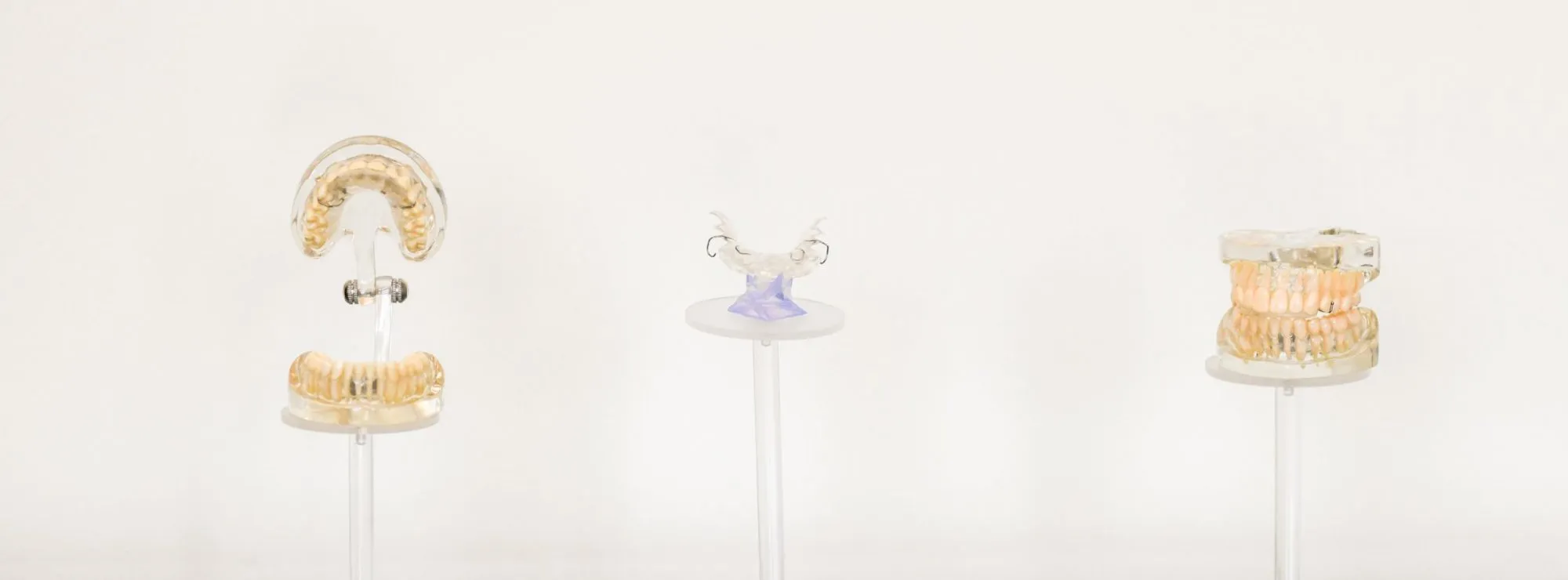
The solution is to unload the TMJ with a device and protocol that decreases inflammation within the TMJ like a set of crutches decreases inflammation in a damaged knee. When this is done, all the disparate symptoms clear.
If your medical history has similarities to my first TMD/TMJ patient, ask to make an appointment to investigate the solution derived from 50 years of study and persistence.
Comments are closed.