





#73 Doctors and Patients Confusing TMD/TMJ and Sleep Apnea
Recently, I saw a patient referred to me by a general dentist for consultation for TMD/TMJ. The non-surgical treatment of TMD/TMJ is the only service our practice offers. Once I began the consultation and asked a few questions it was obvious the patient’s problem was Sleep Apnea not TMD/TMJ. You might ask, how could that happen. That makes no sense. TMD and Sleep Apnea are two separate diseases with totally different symptoms. TMD/TMJ is all about different types of facial and upper body pain and ear problems, and Sleep Apnea is all about stopping breathing while you sleep causing one to be chronically tired and in the worst-case, sudden death caused by heart disease or stroke. Two totally different diseases and two totally different sets of symptoms.
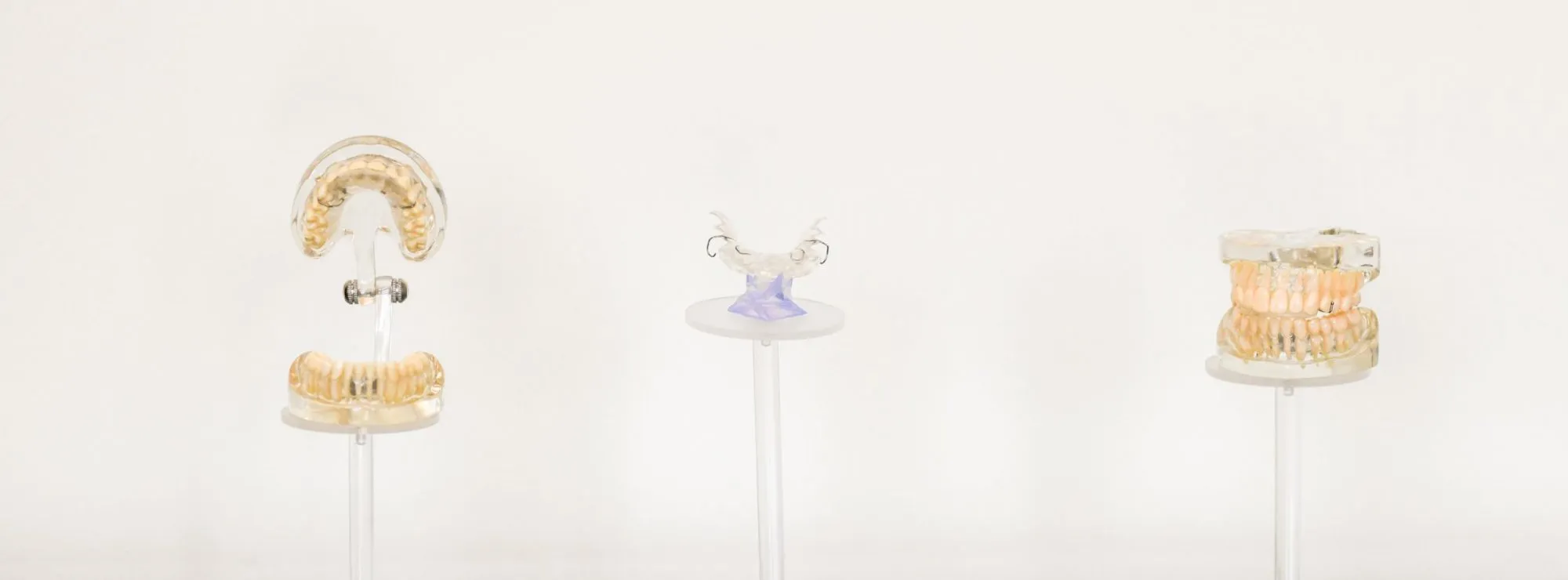
Why the confusion? The answer is about what they have in common. Both are successfully treated by using a simple oral device according to a protocol. The devices are not the same. They do not look the same. And each device performs an action 180 degrees diametrically-opposed from the other. The Sleep device pulls the lower jaw forward while sleeping, opening the airway. The TMD/TMJ device allows the lower jaw to slide rearward, to its most restful position, allowing the inflammation within the jaw joint to subside, decreasing the painful and other related symptoms. In addition, many patients using a sleep apnea device will actually create TMD/TMJ symptoms since chronically dislocating the jaw joint forward will create damage and chronic inflammation within the joint.
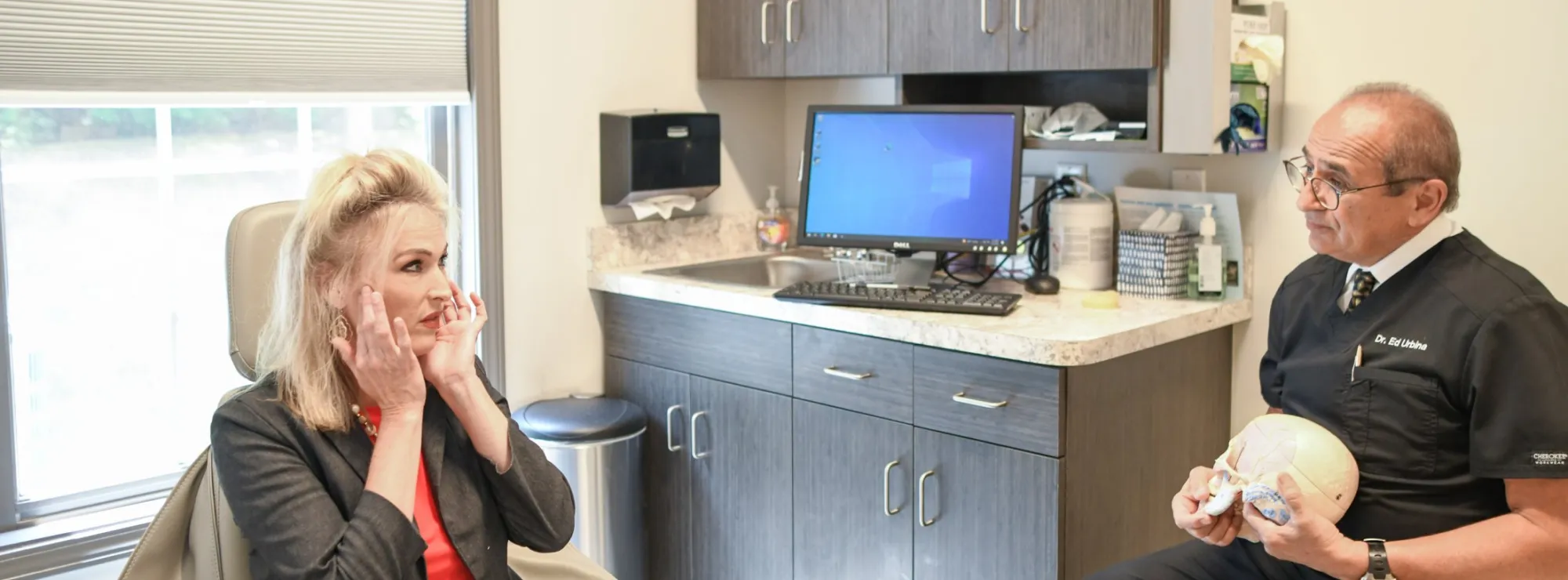
It is not unusual for a patient to arrive in our office not knowing why they were sent to see us. It happens about once a month. That is why, after introducing myself, I always start my consultations by asking the patient, “Why are you here”. Occasionally, the answer is, “I don’t know”. “My doctor/dentist just told me I need to come here to solve my problem”. I’m used to that answer because patients are not supposed to be able to diagnose or understand their own symptoms. Some patients are interested, and some patients don’t have the foggiest idea of what is going on with their own bodies. But this patient was referred by her dentist who obviously could not make the distinction between treating TMD/TMJ and Sleep Apnea. “They both are treated with an oral device aren’t they?”
This case of misdirecting or misdiagnosing the patient is not a one-off. It is the tip of the iceberg in dentistry and getting worse. The problem was not that the referring dentist was stupid. I am sure this dentist was very smart. You have to be pretty smart and have great grades just to get into dental school. The problem is the complexity of the dental conditions and increasing complexity of treatments currently available and not adequately covered, experienced, and taught in dental school. The problem is the perception of what a dental education is all about in the minds of the educators, students, and patients.
Having both dental (DDS), and medical (MD), degrees I am in the unique position to compare the differences between the two educational tracts. Having extra training in the basic sciences (MS Anatomy/Cell Biology) and a two-year research fellowship with the National Institutes of Health, I also understand the foundations of research.
A primary difference between the medical degree and the dental degree is the medical degree validates the BASIC level of knowledge and experience that allows one to chose a field of medicine in which to further study. The dental degree delivers the BASIC level of knowledge necessary to understand and practice the simplest dental skills. But once licensed, the dentist is expected by the patients and sometimes by his employer, if employed in a network of practices, to know and perform way beyond his/her capabilities. Do you expect your PCP to perform brain surgery, deliver babies, or place heart stents? Well, dentistry and the various new technologies necessary to practice is just as complicated as the specialties of medicine. But the patient’s perception when entering a dental office is that the dentist must know everything about dentistry. Currently, nothing could be further from the truth.
The most recent studies confirm no causal relationship between Sleep Apnea and TMD/TMJ. Unfortunately, that data was not part of this referring dentist’s training. Confusion explained.
Comments are closed.