


#6 TMD and Oral and Maxillofacial Surgery
As a Board Certified Oral and Maxillofacial Surgeon with 46 years of surgical experience and over 2000 surgical procedures of various kinds performed specifically upon the temporomandibular joint, I feel well qualified to comment on TMD and its relationship to surgical intervention. Not only have I personally performed each variant of TMJ surgery many times but have shared surgical experiences with hundreds of my surgical colleagues during meetings, conventions, and seminars. Between the early 70’s and the late 90’s of the 20th century TMJ surgery became an increasing popular method of dealing with patients presenting with the usual well documented but poorly understood symptoms. As each surgical procedure was proposed and described in the surgical literature as the solution for the symptoms, then performed hundreds of times by various surgeons, the patients most often reported limited symptom relief over time. This was certainly my experience. Some surgical procedures held more promise than others for sure. Some surgical procedures held the potential of significant complications. But over the span of 30 years, I found each, and every surgical procedure fell short of the ideal scene of offering the patient a simple, predictable solution for any length of time.
When I came to the point of realizing I could not in good conscience continuing to offer patients surgical solutions that were not predictable in outcome I declined to perform further TMJ surgery, but instead challenged my self to discover why TMD was such an enigma.
Beginning in the early 2000’s, because my surgical colleagues had the same experiences, fewer and fewer oral and maxillofacial surgeons performed TMJ surgery. Today, it is rare to find a surgeon performing surgery on the TMJ except in the cases of trauma or functional growth deficiency or excess.
Because of my extensive training in human anatomy, cell biology and experience as a research fellow with the National Institute of Health, in addition to both dental and medical degrees, I decided to focus on understanding the problem at its most basic level without any bias as to where it might lead. Fortunately, I also had a long list of patients willing to help in my investigations. Starting at the beginning, without any preconceived notions, I began by interviewing patients as to their symptoms, experience with other modes of treatment, opinions, and perceived solutions no matter how simple, slight, or illogical. In those interviews was buried the key to understanding both the undiscovered cause of the symptoms and the ultimate solution. During half of the interviews patients offered a similar statement. “When I take a pencil eraser, my finger, my tongue, or a piece of cloth and place it between my front teeth and gently bite down, it feels better, and the pains diminish. That was my “AH HA” Moment.
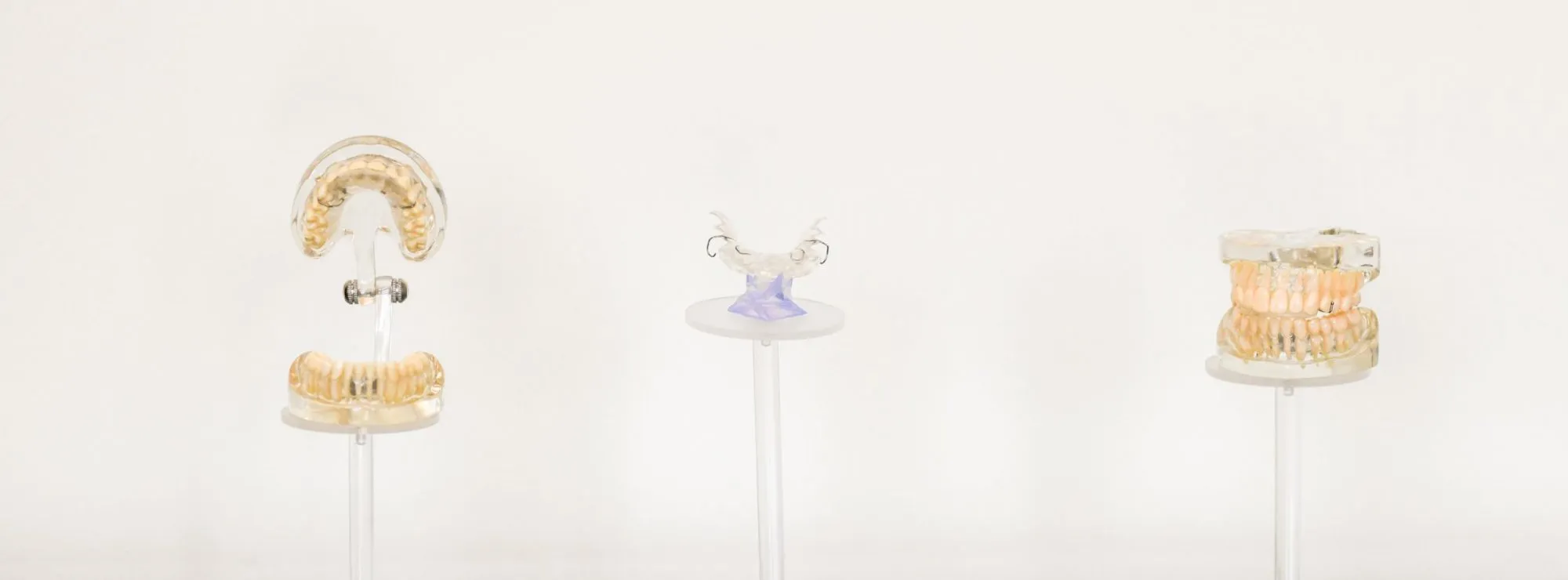
Shortly thereafter, I designed a small device that could be placed in the roof of the mouth, which would allow the patient to talk easily when inserted and was not visually noticeable. It simply separated the posterior teeth and allowed only the anterior teeth to touch. I gave the first hand made device to a patient with a 30-year history of TMD symptoms ruining her life. She was told to place it in her mouth and keep it there except when eating and return in 3 weeks. On her return I stepped into the room and ask how she was doing. Her response was: “Thanks, my pain is gone.” The rest of the story is now history.
I plan to unpack the rest of the story as I write future articles. It’s a fascinating story which has had many exciting twists and turns but kept me riveted for the past 11 years. I look forward to sharing it with you.
Comments are closed.