




#54 “How Come No One Ever Told Me About This Before?” (Part2)
This is the second in a series of articles designed to answer the most common question asked by our patients after years or even decades of suffering life altering TMD/TMJ Symptoms. We often hear, “How come no ne ever told me about this before?” This article will focus on the influence of insurance companies.
First, let’s define “Insurance Company”. (A company that creates insurance products to take on risks in return for the payment of premiums.)
The most common type of insurance covers catastrophic risks to your home and automobile. In this case your insurance reimburses you in case of fire, weather losses, or accident up to the limits you desired. Usually, this covers the total cost of repairs or replacement.
Health insurance is focused on insuring your body against accident and disease. Home and automobile insurance is used for instances of catastrophic loss. You don’t file a claim when you need your oil changed, or when your home water heater quits working. Health insurance, on the other hand, covers both catastrophic losses like dealing with cancer and everyday complaints like earaches and headaches. Health insurance is actually a reimbursement plan that has no utilization limits once the premiums are paid.
Health insurance that covers only catastrophic events is no longer available to the public. The premiums for this type of health insurance used to be about one-fifth the cost of “full coverage insurance”. Full coverage makes insurance companies most of their profits. Insurance companies did not make a lot of profit providing catastrophic health insurance so deleted it.
Most people use full coverage health insurance for minor complaints by a 10x order of magnitude more than catastrophic loss. There is no limit to the number of complaints people have about their health which has fueled the appearance of hundreds of convenient care clinics in every community across the nation. If patients only used health insurance for catastrophic loss and paid the cost of minor care from their pockets the escalating cost of premiums, deductibles, and co-payments would not occur. The cost of health “insurance” would take a steep decline because it would be insurance as defined at the beginning of this article and not a health care dollar distribution plan.
Dental “insurance” is definitely not insurance. Dental “insurance” charges a premium to the individual or the employer and in turn pays dental providers a fraction of the premium for their services, retaining the rest as profit, decreasing overtime the fraction to providers and increasing the fraction for themselves.
The primary purpose of a health or dental “insurance” company is to make a profit and has nothing to do with altruism even though their advertising paints a picture of doing what they do for the good of the patient.
Health care “insurance” companies are granted a charter to do business in every state they operate. In Tennessee, the Department of Insurance charters madidate the percentage of insurance premiums to be returned for patient care and the percentage that can be retained as profit. The only way health care “insurance” companies can make more profit is to encourage more spending on health care by the public. Health care and dental insurance companies have no interest in seeing the overall cost of health care decrease. The more health care, the more profit for them.
The second most common question patients ask is, “Why doesn’t insurance cover this device?”
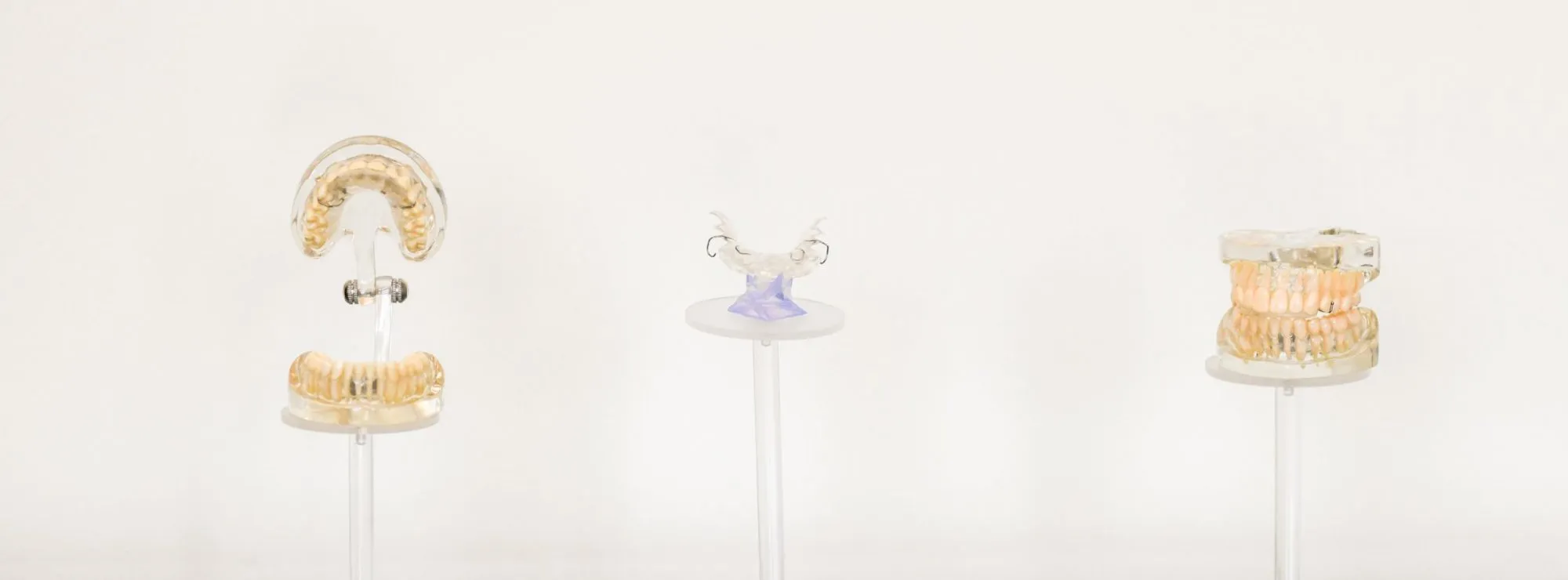
Our device and protocol is classified as a medical device in its patent and by the FDA. It is not a dental device and is not covered by dental “insurance”. As a medical device, to have coverage, it must have a CPT code.
In 2015 our practice battled with Blue Cross/Blue Shield of Tennessee regarding this CPT code issue. BC/BS covers 44% of Tennessee citizens and is the largest health “insurance” carrier in the state by far. During the early stages of development of the Urbanek Device and Protocol our practice routinely submitted claims to BC/BS for the device using the CPT code nearest to the service provided. This was a code used in our practice for oral devices made for surgical purposes. It was, and still is, the accepted convention for providing a covered service without its own CPT code. After two years of arguing with BC/BS regarding the superior effectiveness of our device and protocol treating headaches, earaches, neck and jaw pain and the other symptoms of TMD/TMJ, including the millions of health care dollars that can be avoided on drugs, diagnostic studies and surgery, a meeting was held with the top BC/BS executives, attorney, and medical director in our Franklin office. The BC/BS medical director did not dispute the facts of our extensive experience and results using the device and protocol. However, the BC/BS attorney not only denied our request to have issued an appropriate CPT code in order to assure insurance coverage, but informed us that all previous claims would be reversed with the funds previously paid would be deducted from our account. This decision was final and irrevocable according to the terms of our contract.
This is the reason the Urbanek Device and Protocol is not covered by “insurance”. Even though our non-surgical device and protocol has been shown by independent university studies to save “insurance” companies and the public millions of dollars in unneeded and ineffective drugs, diagnostic studies, and surgery, it is not a covered item.
Now you know one of the major reasons patients who avail themselves of treatment at TMJ Services of Brentwood ask, “How come no one ever told me about this before?” Health “insurance” companies have a vested interest in more heath care spending, not less. Health “insurance” companies are not interested in saving money for employers or patients and providing the most effective care available.
If you think your symptoms are related to TMD/TMJ don’t hesitate to schedule a consultation.
We are here to help.
Comments are closed.