





#48 Fact: No One Knows What Causes Meniere’s Disease
What’s Meniere’s disease you ask? Approximately 615,000 people in the United States have Meniere’s Disease. The condition is named after the French physician Prosper Menière, who in an 1861 article described the main symptoms and was the first to suggest a single disorder for all of the symptoms, in the combined organ of balance and hearing within the inner ear. The symptoms of tinnitus, (ringing in the ears), subjective hearing loss, (a feeling of fullness in the ears like your have been swimming and can’t clear your ears), and vertigo, (dizziness that can be continuous or episodic) define the condition.
The condition is defined by the symptoms and can only be diagnosed when more common causes of these three symptoms have been ruled out. Meniere’s Disease is a very subjective diagnosis, meaning that it is made on what the patient tells the doctor about the symptoms as opposed to objective tests that can be done to prove the diagnosis. There are no blood studies, x-rays, or physical examinations that can prove or disprove Meniere’s Disease.
Otolaryngologists, (ENT Doctors) are the specialists who work to diagnose Meniere’s Disease. Unfortunately, when the diagnosis of Meniere’s Disease is made there is no specific treatment that has shown to be successful.
No one knows what causes Meniere’s Disease, although there are many theories. But most authorities agree that there must be changes within the inner and middle ear buried within the solid Temporal Bone which create the symptoms.
It is interesting to note, when the medical establishment lists the possible causes of Meniere’s Disease, Temporomandibular Joint Disorder, (TMD) is excluded. As both a dentist and medical doctor, it only proves to me that the medical establishment does not communicate to the dental establishment.
It is well known that patients with TMD frequently complain of tinnitus, subjective hearing loss, and vertigo while simultaneously complaining of the more common TMD symptoms of headache, earache, jaw pain and neck pain. Of the 4000 patients successfully treated in our clinic for TMD/TMJ with the Urbanek Device and Protocol, roughly 50% also had complaints of tinnitus, subjective hearing loss and vertigo. These three symptoms decline in severity along with the painful symptoms although not as rapidly. Where the painful symptoms of headaches, earaches, jaw pain and neck pain decline within the first 2 or 3 weeks, the symptoms aligned with Meniere’s Disease would decrease over 1 to 3 months, Tinnitus was the outlier, and would usually take 6 to 12 months to get a substantial result.
As noted in previous articles, the Temporomandibular Joint is located very close to the middle and inner ear and discovered to have a connection called the petrotympanic fissure. This potential canal allows inflammatory fluid and cellular biochemicals to enter the middle ear from the damaged and inflamed Temporomandibular Joint. This explains how a great proportion, if not all, of patients with the diagnosis of Meniere’s Disease is actually caused by Temporomandibular Joint Disorder, (TMD/TMJ).
Meniere’s Disease an extension of, and caused by TMD/TMJ.
TMD/TMJ is caused by inflammation within the temporomandibular joint.
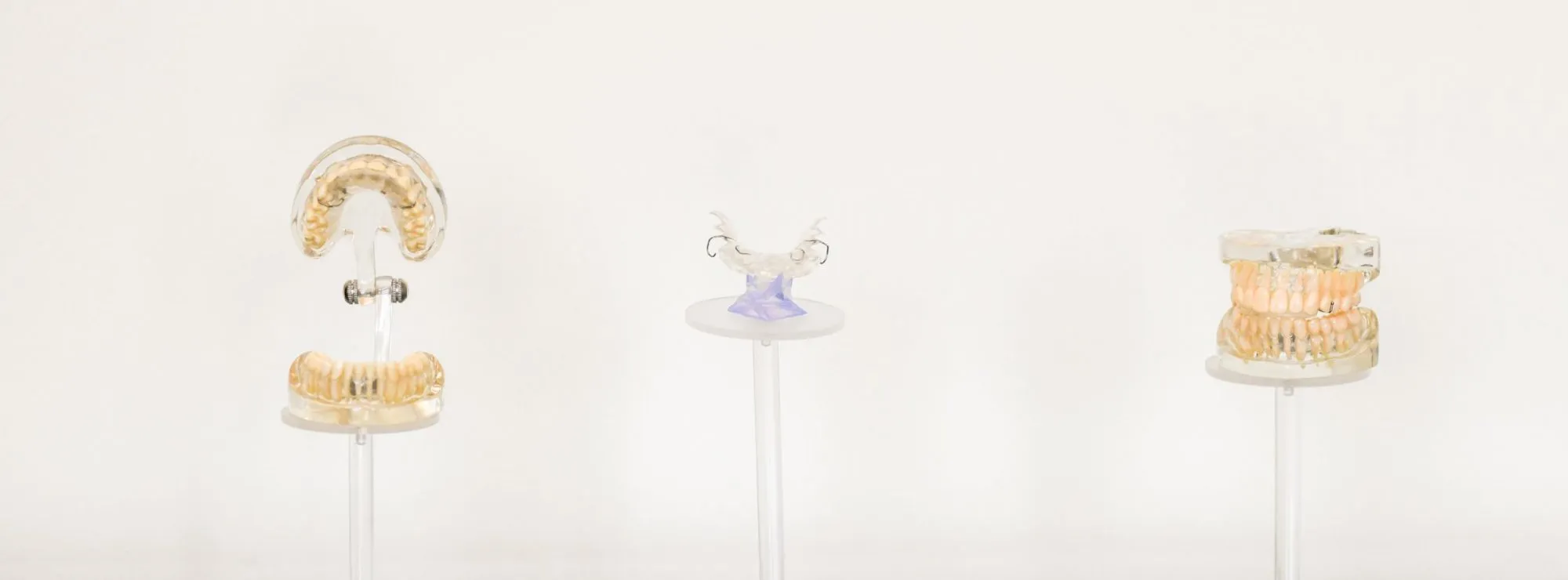
The Urbanek Device and Protocol decreases inflammation within the Temporomandibular Joint like a set of crutches decreases the inflammation within a damaged knee.
The Urbanek Device and Protocol has solved the symptoms of Meniere’s Disease for thousands of patients.
If you have been told you have Meniere’s Disease, and that nothing can be done about it, call for a consultation. We may be able to add you to our long and growing list of Meniere’s Disease patients who have experienced relief.
We are here to help.
Comments are closed.