





#196 Changing Paradigm and TMD
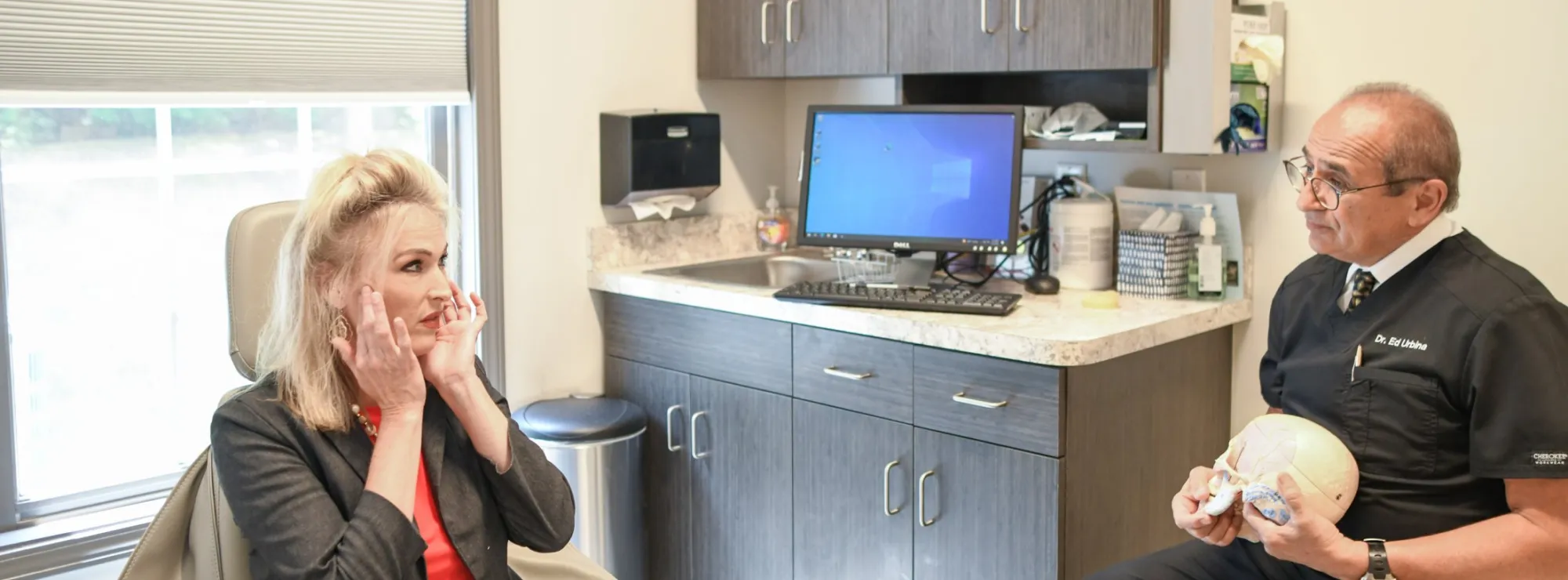
In 1972, during my 3rd year in dental school, select members of my class were invited to attend the “Dental Medicine Clinic”. At the time, I wasn’t exactly sure what the “Dental Medicine Clinic” was all about. I just assumed it had something to do with problems that bordered between and involved with both professions, dentistry and medicine. It turned out my assumption was correct. When I and five other members of my class showed up at the designated room, the professor in charge explained that we would be examining three patients who likely had “TMJ”. In 1972, as in 2026, everyone refers to Temporomandibular Joint Disorder, (TMD) as “TMJ”, which is the name of the joint, (Temporomandibular Joint).
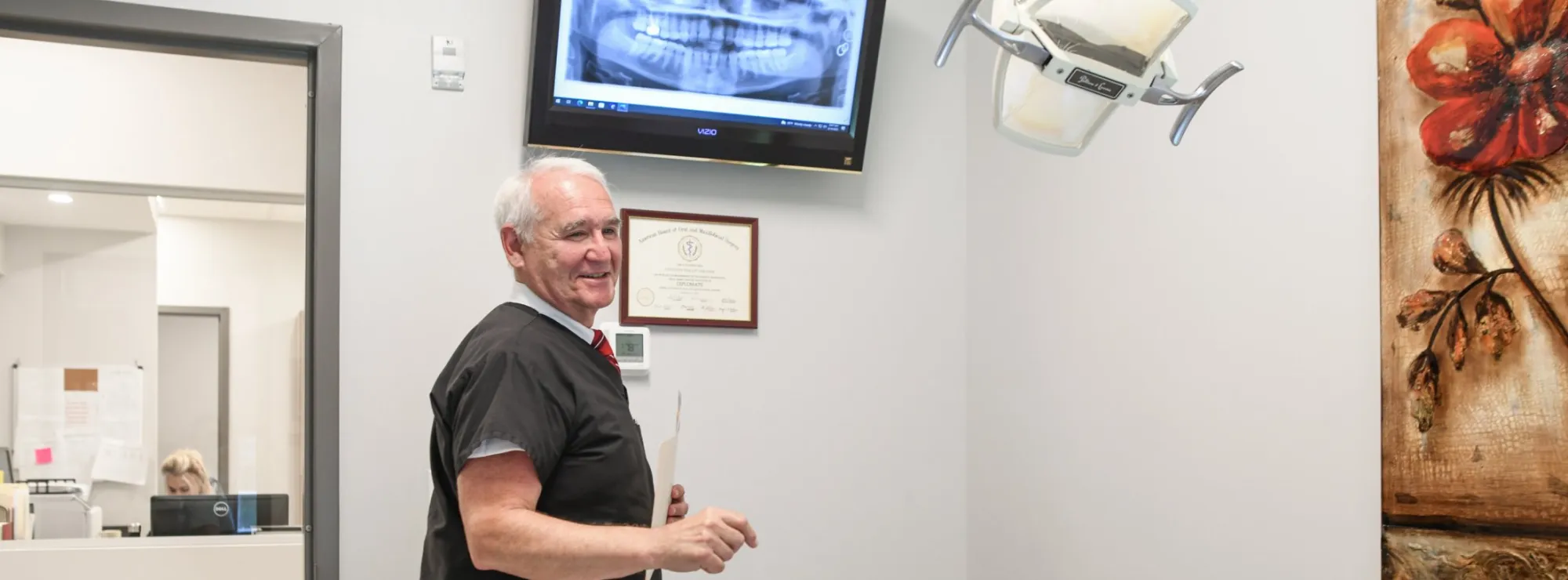
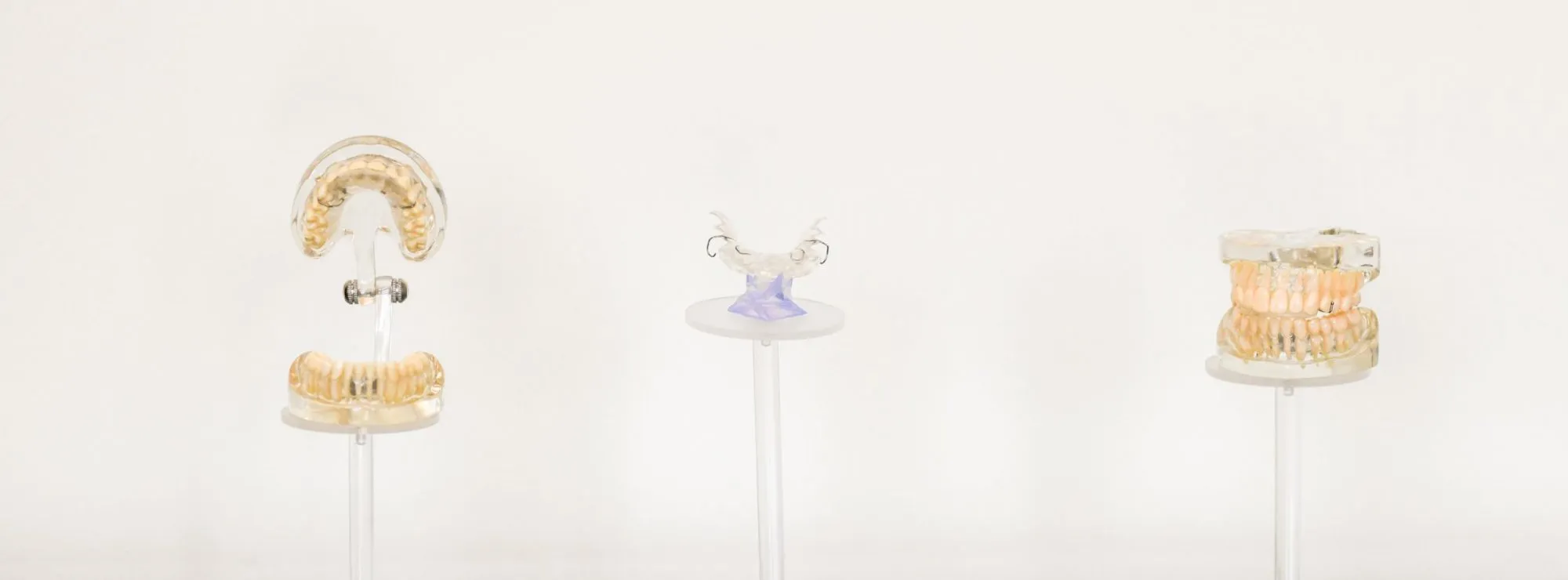
Over the next hour and a half, the professor examined three patients, listening to their symptoms, placing a stethoscope over each TMJ and listening to the joint noises, reviewing x-rays, and prescribing non-steroidal anti-inflammatories and a night guard for each. He explained to our group that the joints were damaged, and the objective was to decrease the inflammation within the TMJ. His recommended prescription for non-steroidal anti-inflammatories made sense to me. However, I could not figure out how a night guard, which is nothing more than an acrylic cover over the teeth designed to protect them from damage during clenching and grinding, (Bruxism), helped decrease inflammation. When I asked him to explain how a night guard was effective in decreasing inflammation, he could not give me a logical or scientific answer. His explanation made no sense, and sounded like word salad. That was my first exposure to TMD and my conclusion, at the time, was there was something fishy about this disease.
Now that I have traveled an additional 55 years on a career path notably focused on TMD, I can truthfully say there was definitely something fishy about “TMJ” in 1972, and there is still a lot fishy about “TMJ” in 2026.
Here are some undisputed facts about TMD in 2026:
-50% of dentists prescribe a night guard to treat TMD but can’t explain how it is supposed to work.
-The other 49.9% of dentists don’t want anything to do with TMD because they think it is a complicated problem well beyond their ability to treat.
-0.1% of dentists try to treat the symptoms of the disease and consider each symptom as a separate disease rather than treat the cause of the symptoms.
-Medical doctors constantly confuse migraine headaches with TMD headaches, while admitting they have no idea what causes migraine headaches.
-ENT physicians admit they have no treatment for Meniere’s Disease which is defined as ringing in the ears, a feeling of fullness in the ears, and vertigo, while these three symptoms are well known and accepted as associated with TMD and successfully treated by decreasing chronic inflammation in the TMJ.
-The ear pain associated with TMD is more likely to be treated with antibiotic and called an ear infection rather than treat the actual cause of the pain which is chronic inflammation within the TMJ.
It has been proven that chronic inflammation within the TMJ creates all the painful and non-painful symptoms, yet the dental and medical professions want to keep doing what they have been doing for the past 54 years. Nothing has changed since 1972.
Treating the cause of the symptoms by unloading the TMJ with a simple device and protocol is a change in paradigm for treating TMD. A lot of people and a lot of companies have a lot to lose by accepting a new paradigm for treating this disease. No one can argue that science validates this shift in paradigm. No one wants to argue with the facts. Yet some do everything possible to ignore the shift in paradigm. I certainly understand the problem.
They put Galileo on house arrest for the rest of his life when he said the earth is not the center of the universe. So far, no one has tried to put me in cuffs.
Comments are closed.