


#150 “Ask Your Doctor” and TMD
By: Anthony Urbanek, DDS, MS, MD
Temporomandibular Joint Disorder. (TMD) is a disease that generates very different responses from doctors, depending on who you ask. Dentists are supposed to know the most about TMD, but they are often the ones who know the least. Half of them don’t want to talk about TMD if you bring it to their attention. Physicians are supposed to be most familiar with the symptoms of TMD, but they are the most likely to misdiagnose the problem. When faced with a patient accurately describing the symptoms of TMD the primary care physician is most likely to call the patient crazy. Neurologists listen to the symptoms and routinely prescribe drugs that suppress the nervous system. The Oral and Maxillofacial Surgeon will do a consultation for TMD and recommend some kind of surgery 100% of the time. The ENT doctor will listen to some of the symptoms, do a very expensive work up, and tell the patient they have Meniere’s Disease and say they have no solution for their problem. If you go to a convenient care clinic with TMD symptoms and talk to nurse practitioners or physician’s assistants, you can count on it being diagnosed as something other than TMD. If you go to a dental school complaining of TMD you will get the multi-disciplinary approach and be appointed to see an orthodontist, an oral and maxillofacial surgeon, a general dentist, a psychologist, and a physical therapist, sometimes all on the same day and sometimes all at the same time ending up with multiple treatments.
The point is, when you ask different doctors about TMD, the one thing you can count on is different answers and different recommendations if you get a recommendation at all.
This is a very strange set of affairs and has been this way since TMD was first described by an ENT doctor in 1934. For the past 90 years, 90 percent of doctors have been confused about the symptoms of TMD, 90 percent of the time. And the confusion is getting worse. The latest confusion is generated by doctors who want to call TMD several diseases instead of one disease. They think because TMD has many disparate symptoms, it must be multiple diseases. They cannot comprehend there may be a common denominator which creates each of the disparate symptoms and confabulate symptoms with the cause of the symptoms. It appears that they want to make the problem as complicated as possible. If it’s complicated it must require a very special kind of doctor to treat it. The more complicated you make something, the more important you make yourself as THE expert in the field.
TMD is not a complicated disease. TMD does have a common denominator that creates each of the disparate symptoms. The disparate symptoms of TMD include frequent and/or recurring headaches, neck pain, jaw pain, ear pain, ringing in the ears, subjective hearing loss or a feeling of fullness in the ears, vertigo/dizziness, arm/hand/finger tingling and numbness, and various kinds of jaw locking. It can and has been proven that each of these symptoms is created by chronic inflammation within the joint. When the inflammation is eliminated, the symptoms are eliminated.
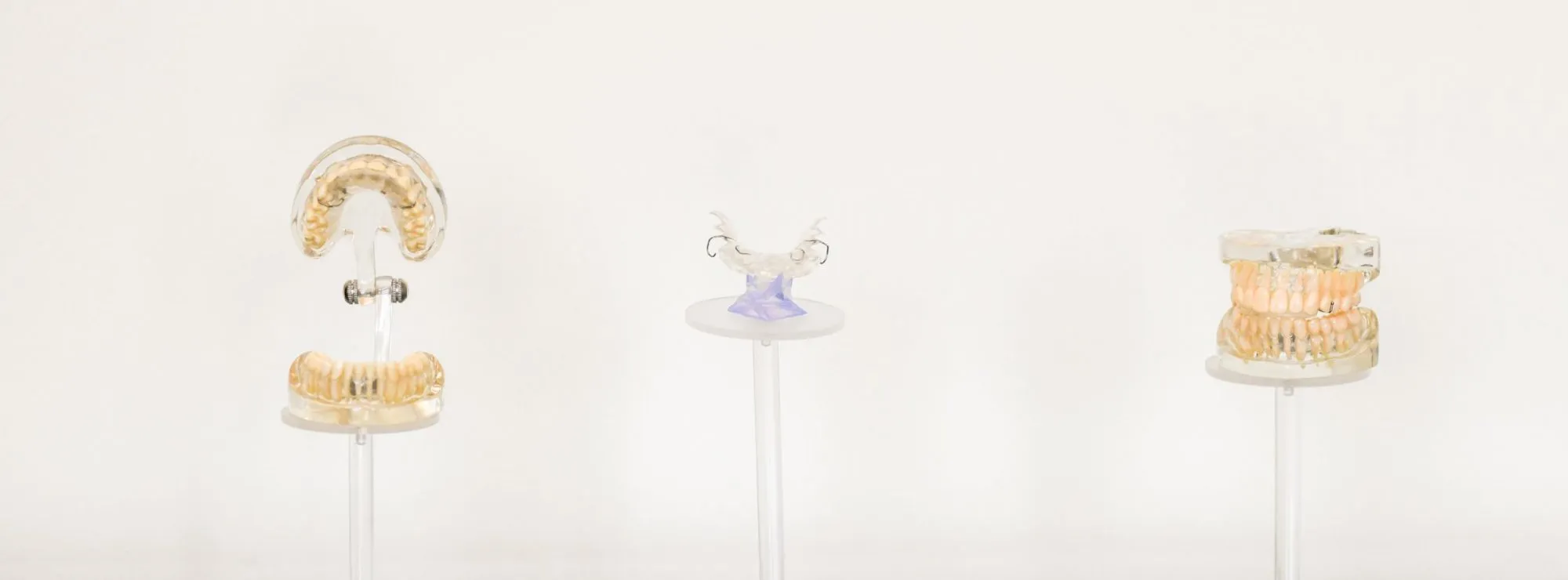
The science behind these facts has been known for decades and apply to every joint in the body. Tennis elbow and TMD are the same disease affecting different joints. The best and most common way that orthopedic surgeons treat tennis elbow is to rest the elbow by placing the arm in a sling which unloads the elbow joint and allows the chronic inflammation to subside. The best way to treat TMD is to unload the temporomandibular joint, (TMJ), by using a device that unloads the jaw joint like a set of crutches that takes the load off of a damaged knee or a sling takes the load off a damaged elbow.
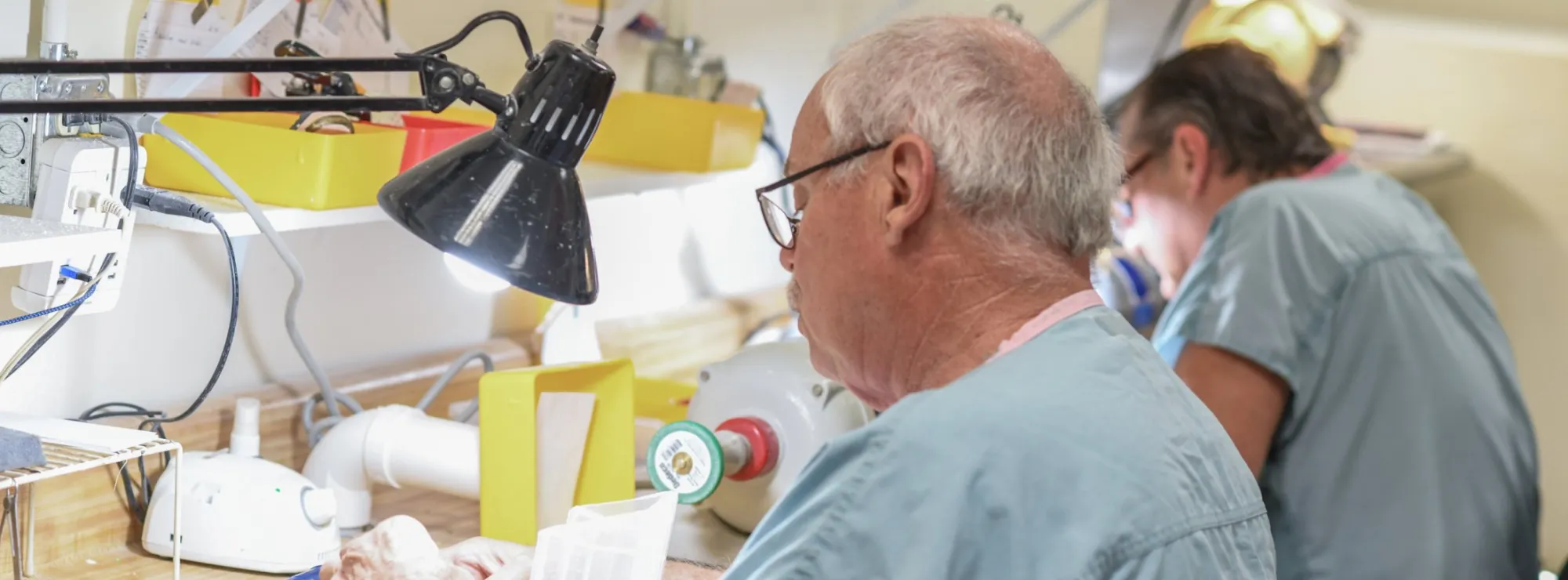
That device is called the Urbanek Device. When used with a simple protocol it gives 90 to 100% relief, 90 to 100% of the time, as long as patients follow the protocol for use. This device and protocol have FDA clearance. It is patented, made in an FDA good manufacturing practices approved laboratory, with independent university study validating the outstanding claims of success. It is now licensed for use by a growing list of dentists who want to make the treatment of TMD simple, not complicated.
Comments are closed.