





#146 TMD is a Much Bigger Problem Than Thought Previously
By: Anthony Urbanek, DDS, MS, MD
TMD, Temporomandibular Joint Disorder, is a disease with a disparate list of symptoms caused by chronic inflammation within the TMJ, Temporomandibular Joint. TMD symptoms include frequent and/or recurring headache, earache, neck pain, jaw pain, tinnitus, subjective hearing loss, vertigo, upper back and shoulder pain and tightness, arm/hand/finger tingling and numbness and various types of jaw locking. These disparate symptoms are so unlike, there is no basis for comparison and that is the reason physicians and dentists have been confused for decades trying to figure out the proper way to diagnose and treat the problem.
Opinions vary widely as to the proper way to diagnose and treat TMD leading to the consensus among health care providers that nothing works for very long, if at all, when treating this malady.
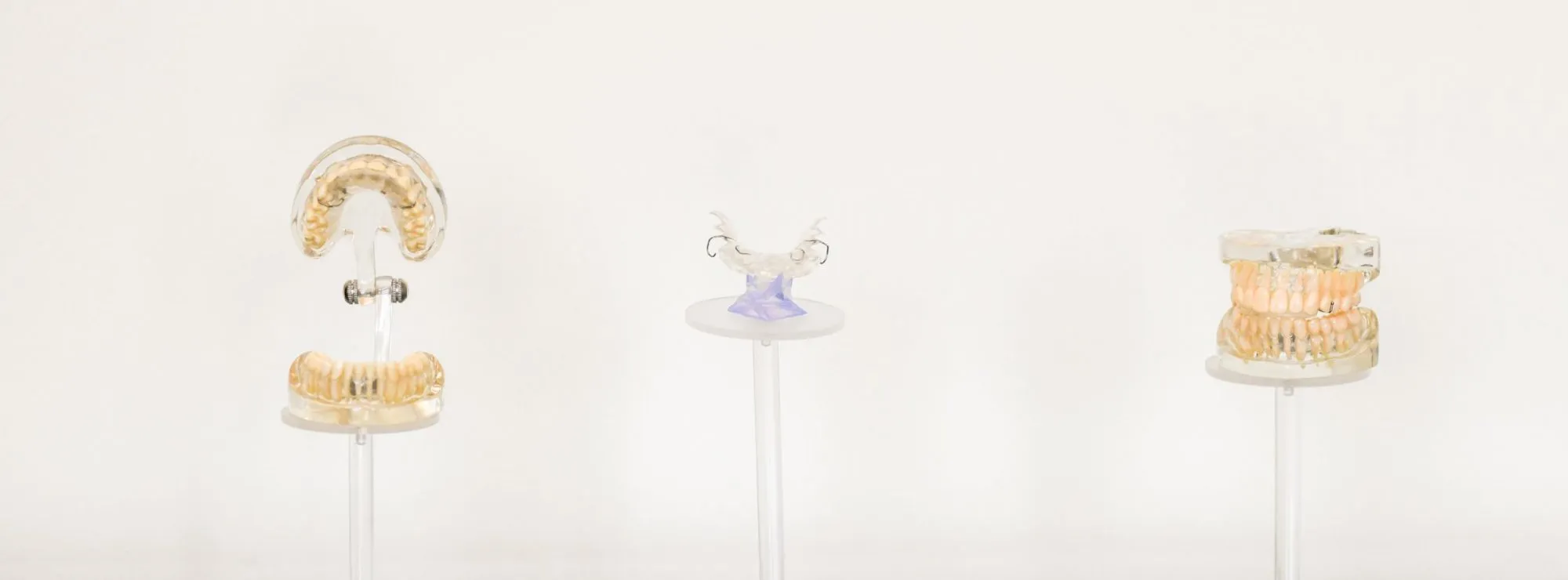
This was the consensus until the common denominator responsible for causing each symptom was discovered by this author. It has been determined that chronic inflammation within the TMJ directly creates each symptom. When the chronic inflammation is dissipated, the symptoms are relieved. Drugs that decrease inflammation are only temporary and come with very serious and dangerous side effects. It was found that the best long-term solution to decreasing TMJ chronic inflammation is to unload the forces placed on the joint using a simple oral device combined with a straightforward and simple protocol.
Now that the best solution has been discovered, the next problem is getting this solution to all the patients that suffer the symptoms. But both physicians and dentists have been in the dark for so long, misled by attempts to just treat symptoms and not the cause of the symptoms, they constantly misdiagnosed this disease as something other than TMD.
If you tell your PCP you are troubled with headaches, you will be diagnosed with either migraine or tension headaches, usually after an MRI of the brain to make sure you do not have a brain tumor or on the verge of a stroke. The PCP never considers TMD on the list of differential diagnoses.
If you present to the ENT or a convenient care clinic with an earache, the ENT physician or nurse practitioner in the walk-in clinic will almost assuredly diagnose an ear infection and never consider TMD on their list of differential diagnoses. You will almost certainly leave with a prescription for antibiotics.
If you present to the orthopedic or neurosurgeon with complaints of neck pain or arm/hand/finger tingling and numbness you will get your neck x-rayed or CT scanned, and the diagnosis of cervical disc disease will be the most likely result. The orthopedic or neurosurgeon never thinks that it might be TMD.
If you go to the oral surgeon or dentist with jaw pain, an x-ray will be obtained and it there are wisdom teeth or dental disease present, the solution offered will always be remove or fix the tooth/teeth adjacent to the painful point. Very rarely does the dentist or oral and maxillofacial surgeon consider TMD as creating jaw pain.
That is why patients are run in circles, unfortunately sometimes for decades, with a misdiagnosis or two, or sometimes three or four, until someone says, “Wait a minute, this might be TMD”.
Most studies regarding TMD find the prevalence at between 15% and 30% of the female population. This disease is well known to effect females at a ratio of 9 to 1 over males. This is because estrogen, the female hormone, exacerbates inflammation, and as you now know, chronic inflammation causes the symptoms.
But when all the misdiagnosis of TMD as headaches, ear infections, cervical disc disease, and dental disease are added, the prevalence turns out to be 45% of females have TMD. TMD is a much more common disease, and a much bigger problem than anyone thought previously.
Comments are closed.