







#141 Why Do 50% of Dentists Prescribe a Night Guard for TMD?
By: Anthony Urbanek, DDS, MS, MD
TMD, Temporomandibular Joint Disorder, is a very common disease seen primarily in females. Forty-Five percent of females in the United States suffer from one or more of the disparate symptoms of TMD. The symptoms of TMD include frequent or recurring, headaches, earaches, neck pain, jaw pain, ringing in the ears, a feeling of fullness in the ears, vertigo, upper back and shoulder pain and tightness, arm/hand/finger tingling and numbness and various kinds of jaw locking. Its prevalence is 90% females, and 10% males because Estrogen, the female hormone, exacerbates inflammation. Inflammation within the Temporomandibular Joint is the common denominator directly creating each symptom. The definition of TMD should be inflammation within the TMJ. But instead, dentists define it by its symptoms. And both dentists and physicians treat the disease by treating the symptoms, rather than treating the cause, which is inflammation.
The latest craze is treating TMD with Botulinum Toxin A, Botox. The theory behind it is promoted by the Botox salesmen and literature and encourages dentists to paralyze the painful portions of the face only to have to repeat the process every 3-4 months when the effects of the drug wear off. As the locations of the facial pains frequently move around, the dentist is forced to move the injections to follow the pains from place to place. It turns out, this type of treatment is most successful for the companies that manufacture Botulinum Toxin A, (Botox) rather than the patient. Not to mention, Botox is not approved by the FDA for the treatment of TMD.
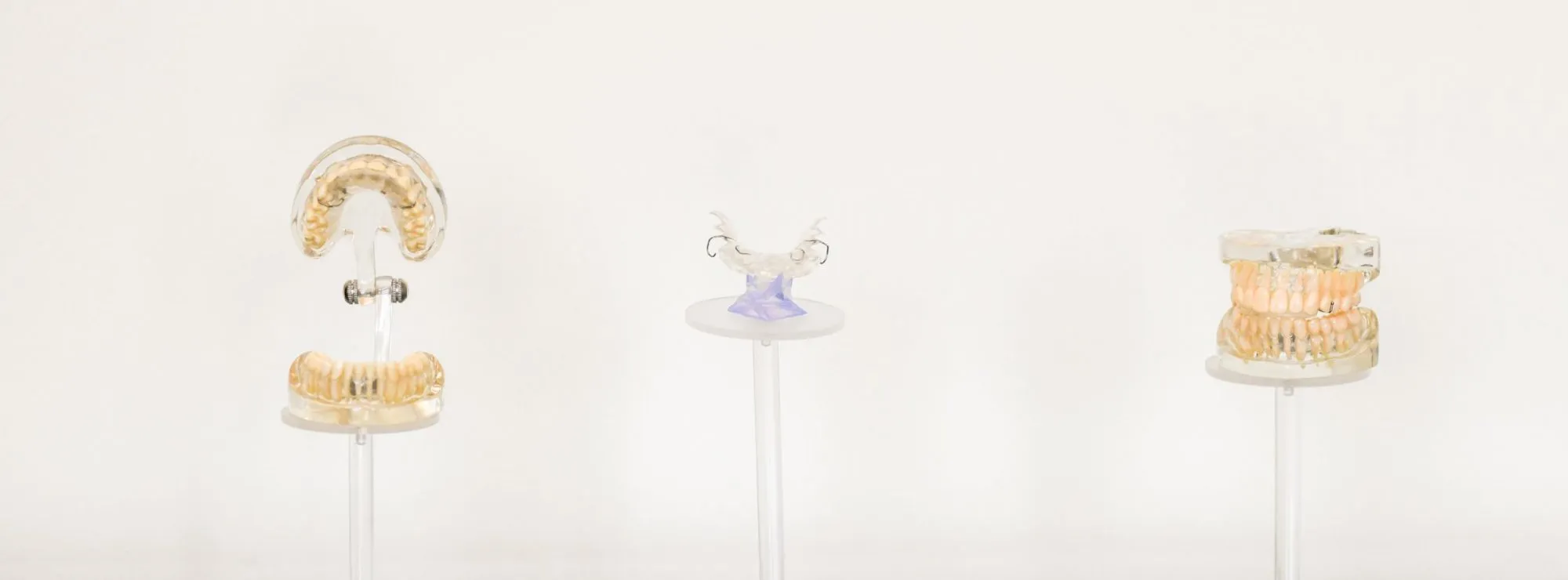
Fifty percent of dentists treat TMD by prescribing a night guard. A night guard is a plastic, resin, or acrylic tray that covers the surfaces of the teeth, to be worn at night for patients who clench and grind their teeth. It is a well-known fact that patients who clench and grind their teeth at night can damage or break their teeth. Clenching and grinding the teeth is called bruxism. It makes sense to protect the teeth from bruxism by covering them with a night guard. Night guards are successful at protecting teeth from breaking due to bruxism
It is also well-known and agreed upon that bruxism is one of the three causes for damage to the temporomandibular joint. The other two are acute trauma and functional malocclusion. Bruxism, acute trauma, and functional malocclusion damage the TMJ creating chronic inflammation.
The illogical reasoning behind using a night guard for TMD is as follows:
- Night guards are successful in preventing damage to the teeth from bruxism.
- Bruxism is one of the circumstances that leads to TMD.
- Therefore, night guards should be used to treat TMD.
Both dental damage and TMD are associated with bruxism, but association does not prove cause.
Is there anyone but me who detects the fallacy to this syllogism?
But 50% of dentists treat TMD with a night guard. They are actually taught that in dental school which says a lot about the current quality of instruction about TMD by the educational elite.
Doesn’t it make sense to treat the cause of a disease rather than the symptoms?
Here is a Logical syllogism that explains why the Urbanek Device and Protocol is so effective in treating TMD.
- Chronic inflammation directly creates all the disparate TMD symptoms.
- Chronic inflammation in any joint is best treated by taking the load off of the joint like a set of crutches takes the load off the knee or a sling takes the load off an elbow allowing it to heal.
- The Urbanek Device and Protocol heals the TMJ by unloading the TMJ like a set of crutches unloads a diseased knee or a sling a diseased elbow, decreasing and diminishing chronic inflammation.
Comments are closed.