

Temporomandibular Joint (TMJ) Disorder
Treating Temporomandibular Joint Disorder (TMD) in Brentwood TN
TMJ (temporomandibular joint) disorders are a family of problems related to your jaw joint. If you have had symptoms like pain or a “clicking” sound, you’ll be glad to know that these problems are more easily diagnosed and treated than they were in the past. These symptoms occur when the joints of the jaw and the chewing muscles do not work together correctly. TMJ stands for temporomandibular joint, which is the name for each joint (right and left) that connects your jaw to your skull. Since some types of TMJ problems can lead to more serious conditions, early detection and treatment are important.
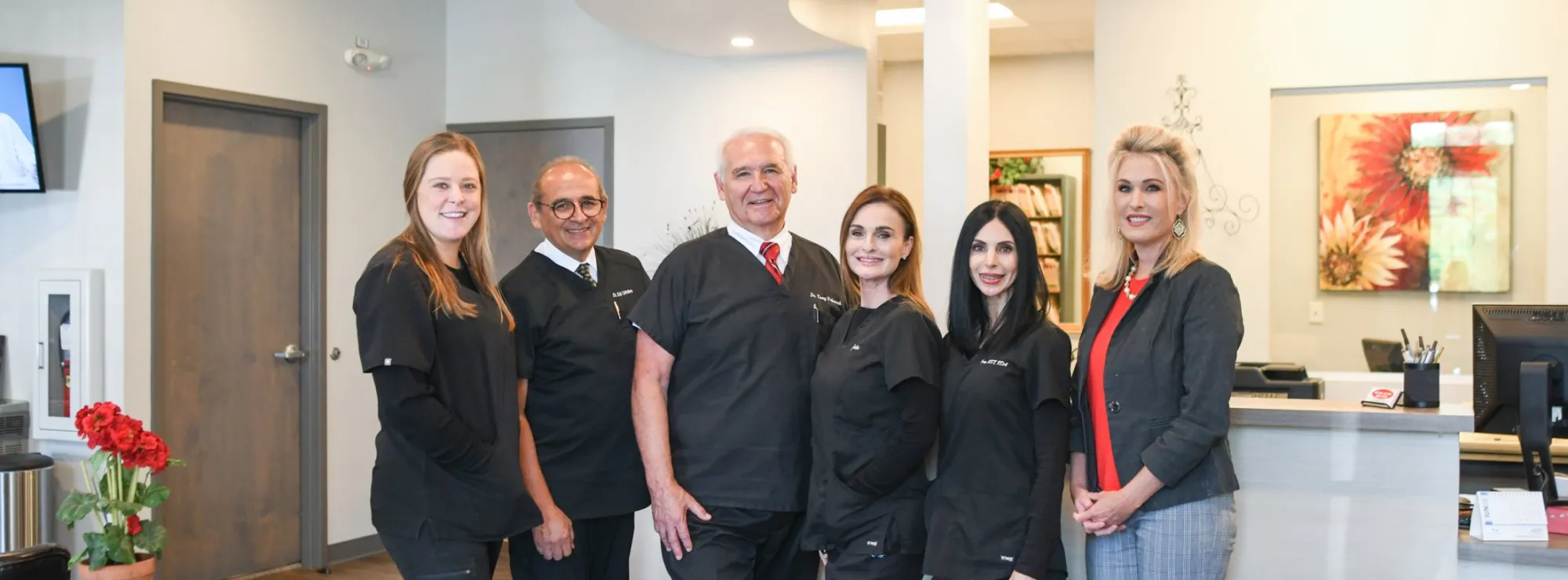
No one treatment can resolve TMJ disorders completely and treatment takes time to become effective. Dr. Urbanek and Dr. Urbina can help you have a healthier, more comfortable jaw.
Do You Have Jaw Pain You Think May be TMJ?
If you are experiencing recurring headaches, earaches, neck or jaw pain you migth have TMJ Disorder. Schedule an evaluation with a TMJ Dentist near you!
Trouble with your jaw?

TMJ disorders develop for many reasons. You might clench or grind your teeth, tightening your jaw muscles and stressing your TM joint. You may have a damaged jaw joint due to injury or disease. Injuries and arthritis can damage the joint directly or stretch or tear the muscle ligaments. As a result, the disk, which is made of cartilage and functions as the “cushion” of the jaw joint, can slip out of position. Whatever the cause, the results may include a misaligned bite, pain, clicking, or grating noise when you open your mouth, or trouble opening your mouth wide.
Do You Have a TMJ Disorder?
- Are you aware of grinding or clenching your teeth?
- Do you wake up with sore, stiff muscles around your jaws?
- Do you have frequent headaches or neck aches?
- Does the pain get worse when you clench your teeth?
- Does stress make your clenching and pain worse?
- Does your jaw click, pop, grate, catch, or lock when you open your mouth?
- Is it difficult or painful to open your mouth, eat, or yawn?
- Have you ever injured your neck, head, or jaws?
- Have you had problems (such as arthritis) with other joints?
- Do you have teeth that no longer touch when you bite?
- Do your teeth meet differently from time to time?
- Is it hard to use your front teeth to bite or tear food?
- Are your teeth sensitive, loose, broken or worn?
The more times you answered “yes”, the more likely it is that you have a TMJ disorder. Understanding TMJ disorders will also help you understand how they are treated.
TMJ Treatment in Brentwood TN
There are various treatment options for TMJ that Drs. Urbanek and Urbina can utilize to improve the harmony and function of your jaw. Once an evaluation confirms a diagnosis of TMJ disorder, Drs. Urbanek or Urbina will determine the proper course of treatment. It is important to note that treatment always works best with a team approach of self-care combined with professional care.
The initial goals are to relieve the muscle spasms and joint pain. This is usually accomplished with a pain reliever, anti-inflammatory, or muscle relaxant. Steroids can be injected directly into the joints to reduce pain and inflammation. Self-care treatments can often be effective as well and include:
- Resting your jaw
- Keeping your teeth apart when you are not swallowing or eating
- Eating soft foods
- Applying ice and heat
- Exercising your jaw
- Practicing good posture
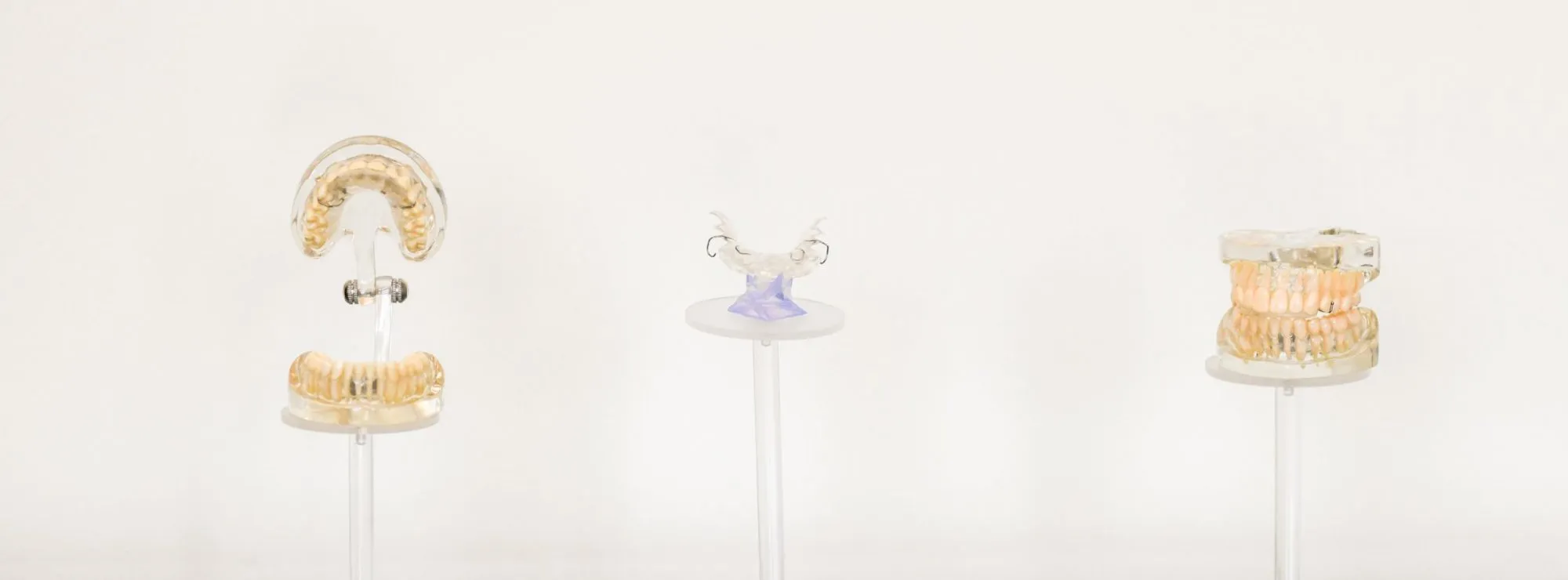
Stress management techniques such as biofeedback or physical therapy may also be recommended, as well as a temporary, clear plastic appliance known as a TMJ Device. A TMJ Device (or nightguard) fits over your top or bottom teeth and helps keep your teeth apart, thereby relaxing the muscles and reducing pain. There are different types of appliances used for different purposes. A nightguard helps you stop clenching or grinding your teeth and reduces muscle tension at night. It also helps to protect the cartilage and joint surfaces. An anterior positioning appliance moves your jaw forward, relieves pressure on parts of your jaw, and aids in disk repositioning. It may be worn 24 hours/day to help your jaw heal. An orthotic stabilization appliance is worn 24 hours/day, or just at night, to move your jaw into proper position. Appliances also help protect tooth wear.
What about bite correction or surgery?
If your TMJ disorder has caused problems with how your teeth fit together you may need treatment such as bite adjustment (equilibration), orthodontics with or without jaw reconstruction, or restorative dental work. Surgical options, such as arthroscopy and open joint repair restructuring, are sometimes needed, but are reserved for severe cases. Drs. Urbanek and Urbina do not consider TMJ surgery unless the jaw can’t open, is dislocated and non-reducible, has severe degeneration, or the patient has undergone appliance treatment unsuccessfully.
TMJ Services Of Brentwood
Our Latest Patient Testimonial
Before coming in I had very limited range of motion in my jaw and was in excruciating pain. After just a few weeks of wearing the device I had noticed my range of motion significantly increased almost back to normal and the pain had subsided as well. I would recommend this device to anyone having TMJ/TMD problems since even though I am forgetful and inconsistent with wearing the device it still helped to diminish my symptoms significantly.
- Hadley H
Our Latest Patient Testimonial
My original symptoms were ear fullness and pain, neck and arm pain with tingling in hand; jaw popping and locking, headaches, and some ringing in the ears. At 4 weeks I feel 85% of all my symptoms are gone. I am sleeping better and feel better overall. It has totally amazed me how much is connected to the jaw. Highly recommend this device.
- Brenda B
Our Latest Patient Testimonial
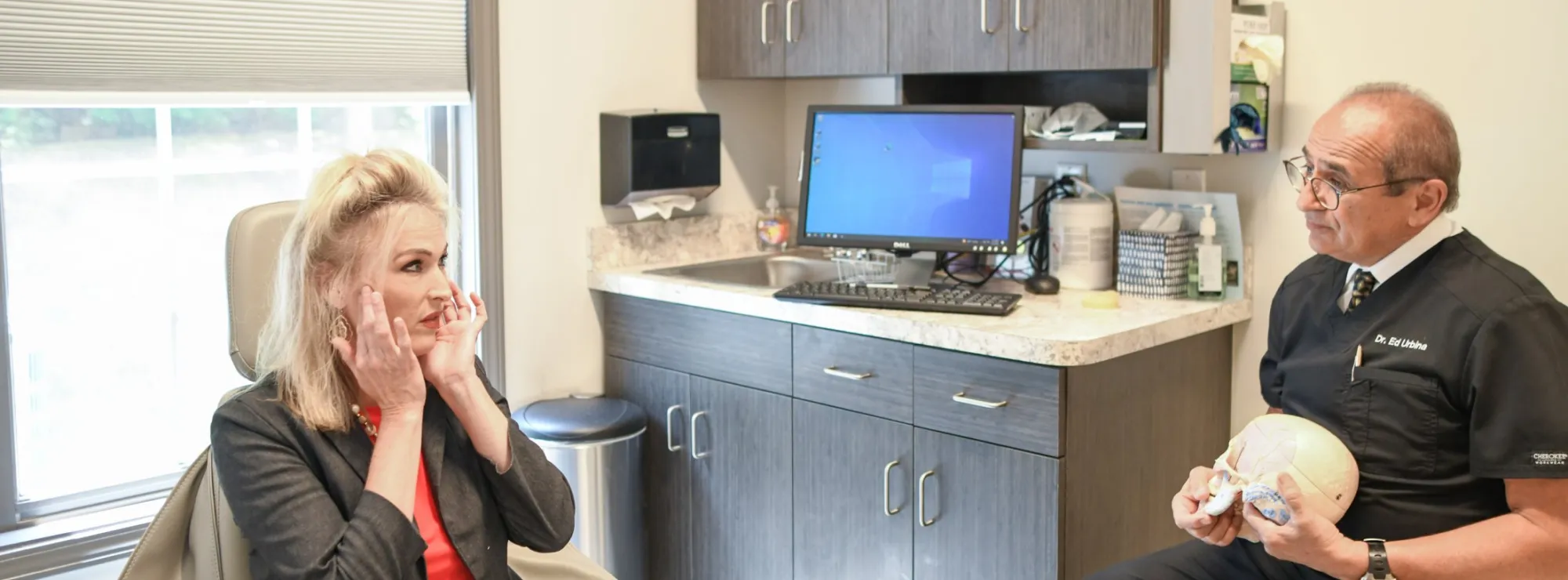
Dr. Urbanek was very helpful in diagnosing my issue. He was thorough when going through all the symptoms that could be happening from my pain in my jaw. Some symptoms that I had I didn’t even know were from my jaw pain issues.
- Kristen F
Our Latest Patient Testimonial
Headaches, jaw popping, TMJ pain for many years. 7 months with the Urbanek device has decreased those issues significantly.
- Jake B
Our Latest Patient Testimonial
Before I got this device my jaw constantly hurt. It would lockup and pop. I also would have headaches, earaches, and shoulder/neck pain. Although ever since receiving this device almost all of that has went away in just about 2 months. I occasionally have my jaw lock or hurt, but nothing like before.
- Addy C
Our Latest Patient Testimonial
After having a tooth extraction, I found myself experiencing severe pain in my face and head, I thought I had developed in infection. I went back to my oral surgeon and he gave me an antibiotic to treat the infection. Unfortunately the pain continued and did not go away. I went to several doctors in an effort to figure out what was going on. I finally made it in to see an ears nose and throat specialist. After hearing my symptoms and viewing an MRI. He sent me to see Dr.Urbanek. After he examined me he told me what my problem was and treated it with this funny looking device that I had to ware 24/7. Yes I was a little skeptical, but it worked and I’m pain free now.
- Tim T
Our Latest Patient Testimonial
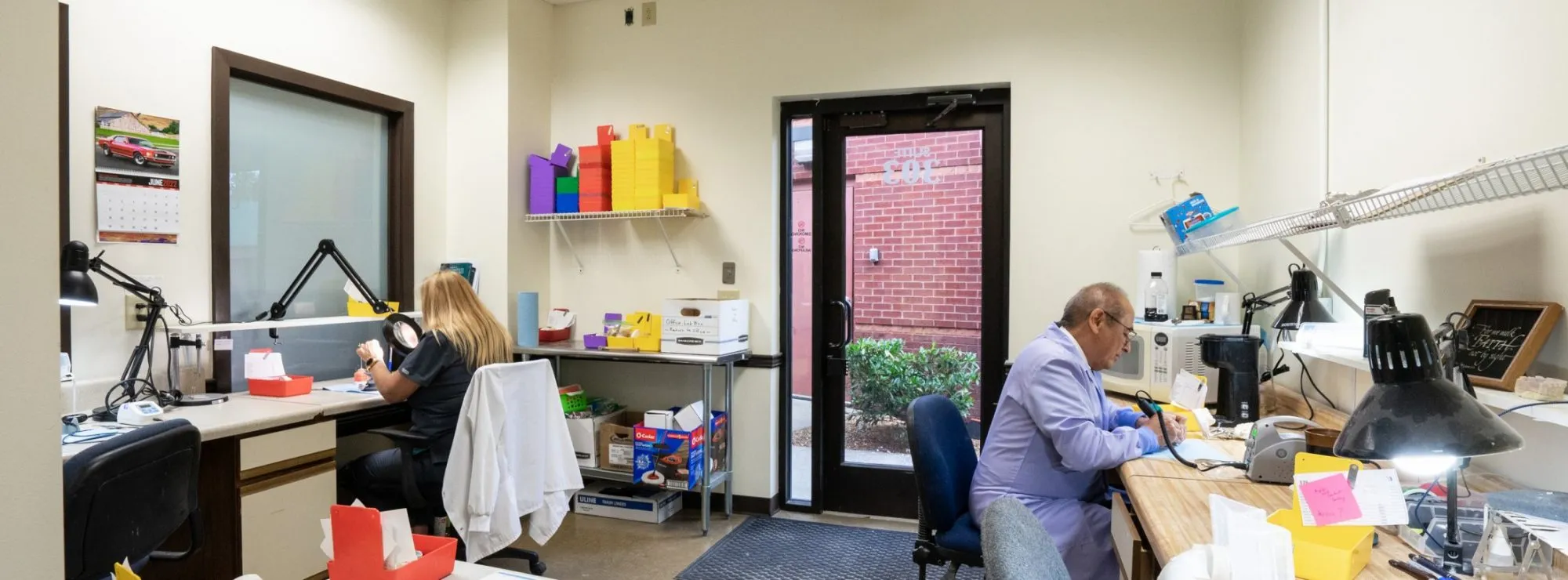
I came in three weeks ago with the following symptoms, right side jaw was popping, making crunching noises while chewing, ear and neck pain, and slight headaches. Dr Urbina diagnosed me with TMD, and developed a mouth device designed specifically to me. Within a short three week period all of my pain and symptoms are gone! I highly recommend anyone suffering from TMJ or any other symptoms to make an appointment to see Dr Urbina. This facility and experience is amazing!
- Debra H
Our Latest Patient Testimonial
On my first visit I was in so much pain. The staff and doctor treated me so kindly. In addition to extreme TMJ pain, I had been suffering from frequent migraines for more than twenty years. Flash forward a year and four months later, of wearing my device, no TMJ pain and no migraines for the last six months. I cannot express my gratitude enough for the care I have received.
- Becky K